By Can Öztaş
When basketball player Alperen Şengün told an international audience that “rakı is our national drink,” he walked straight into a long domestic war over who is allowed to say “we” in Turkey.
The outrage from certain commentators, demanding that the 23-year-old Houston Rockets center be punished for “promoting alcohol,” was predictable, not because of rakı itself, but because symbolic ownership of the drink has become a proxy for symbolic ownership of the nation.
For the majority of Turks, Şengün’s assertion on a social media film of Istanbul that rakı belongs to the country’s cultural DNA is unremarkable. The idea lives in folk poetry and songs, in films and in late-night political arguments. Yet that story is being rewritten. Through tax hikes that push a simple evening of rakı and meze out of reach, bans on advertising and promotion, and the slow erasure of alcohol from public space, the state has been waging a culture war over lifestyle and identity.
SAFE DIPLOMACY WITH A NEW IMAGE
The new story is simple: the official “we” is restrained and sober; the old republican images of the nation, where rakı, wine, and modernity coexisted, were a historical misstep.
Abroad, the contrast is sharp. In the early 2000s, when reform was the order of the day, the message to Europe was essentially: “We are one of you.” Embassy receptions and national-day events reflected that dual grammar: Turkish wine and rakı alongside champagne; ministers and ambassadors at ease in rooms where the bar was visible.
Today, that posture has morphed into a cooler “we are not necessarily one of you; we are something else.” The imagined reference group is no longer Brussels but a diffuse Muslim “civilisation”. Alcohol is quietly downgraded or hidden. Turkish diplomats in Europe now avoid being photographed anywhere near a bar or a table with bottles on it; others stop serving alcohol altogether to pre-empt angry headlines. Reports that alcohol was discouraged or banned at some October 29 receptions abroad were not an oddity; they were part of this broader pattern.
In its place, a new menu of “safe” cultural diplomacy has emerged: festivals promoting Turkish breakfasts, cuisine weeks with carefully edited menus. Anatolia is sold as the land of olives, honey and grape molasses, while the awkward fact that wine has been made here for millennia is politely left outside the frame. Turkish Airlines stopped serving alcohol on most domestic flights years ago and has trimmed its service on some international routes. One can fly over some of the oldest wine landscapes on earth, reading about Anatolian vineyards in the inflight magazine, while the company does everything it can to ensure nobody actually sees a glass of wine.
WHAT DOES RAKI MEAN?
All this has at least three foreign-policy consequences.
First, it narrows the circle of representation. When a national team player is attacked for calling rakı “our” national drink, the implicit claim is that the millions of citizens for whom that sentence is self-evidently true are no longer included in the primary “we” of the state. Diplomats abroad find themselves representing a thinner, cleaned-up nation: not the messy plurality of Turkish society, but a filtered version. Self-censorship is not an accidental by-product; it becomes part of the job description.
Second, it complicates soft power. For years, one of Turkey’s main attractions has been its ambiguity: a Muslim-majority society where mosque courtyards, meyhane tables and rock concerts coexisted. Treating rakı and wine as something to be hidden may reassure a domestic base, but it flattens the country’s image into a stereotype of hard-faced piety and opens the way for others to claim shared Eastern Mediterranean heritage as exclusively theirs. If Turkey chooses not to claim rakı publicly, there are neighbouring countries quite happy to present it as only theirs, along with half the meze selection.
Finally, it undermines diplomatic flexibility. Lifestyle has always been part of the theater of diplomacy: who toasts with whom, what is served, which conversations happen at receptions. When representatives live in fear that a wine glass in a photograph might end their career, they become more cautious, less willing to use informal settings to build trust. The cost is paid in lost conversations and a creeping sense that the state no longer trusts its own envoys to navigate difference.
In the end, the debate is not about whether rakı is a national drink. It is about whether the Turkish state understands itself as representing a plural society to the world, or as disciplining that society into a single, pious self-image and exporting that instead. Alperen Şengün’s throwaway line exposed the fault line: he spoke as if the old, inclusive “we” still existed. The reaction he triggered suggests that, for those who now guard the boundaries of that pronoun, that “we” is what must be unlearned.
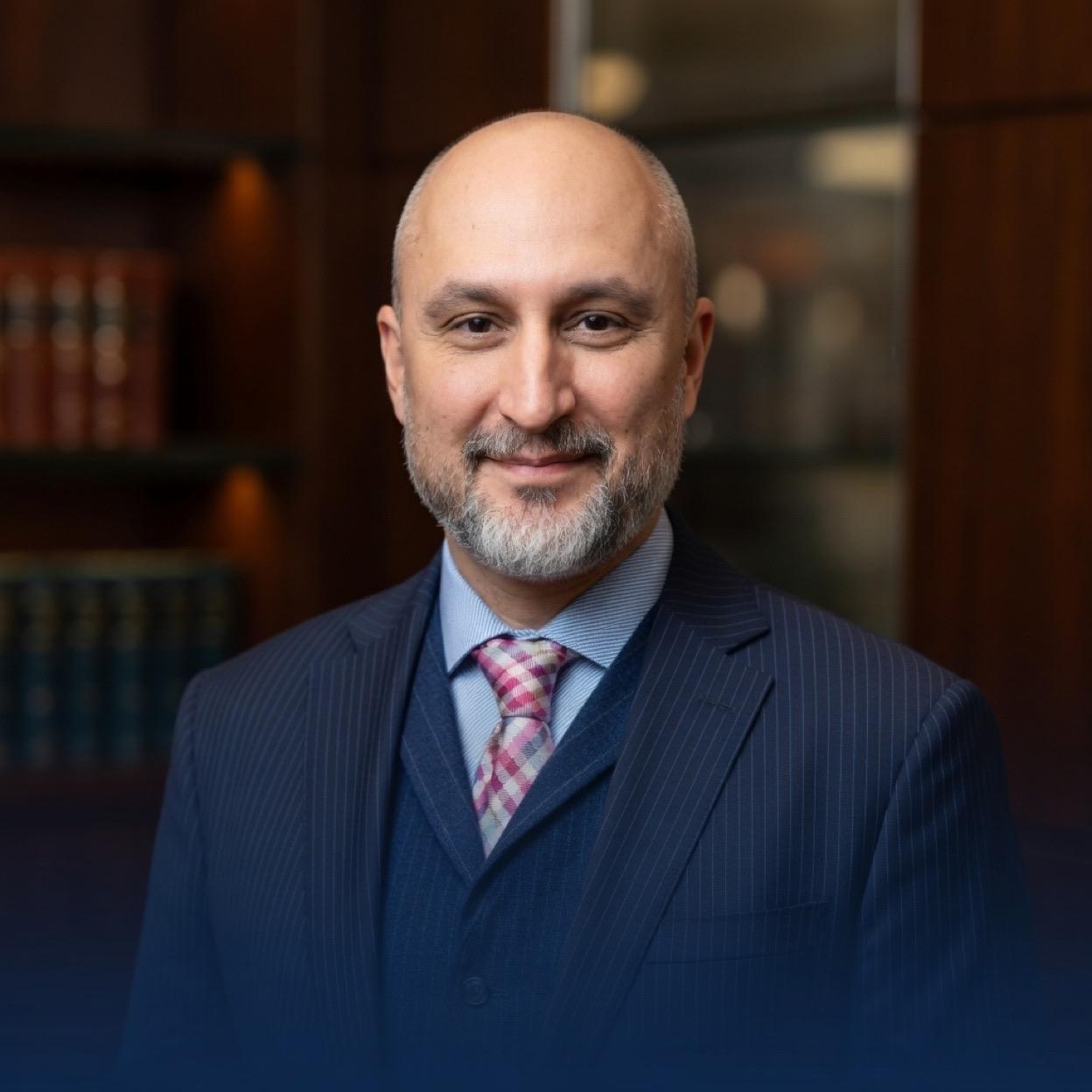
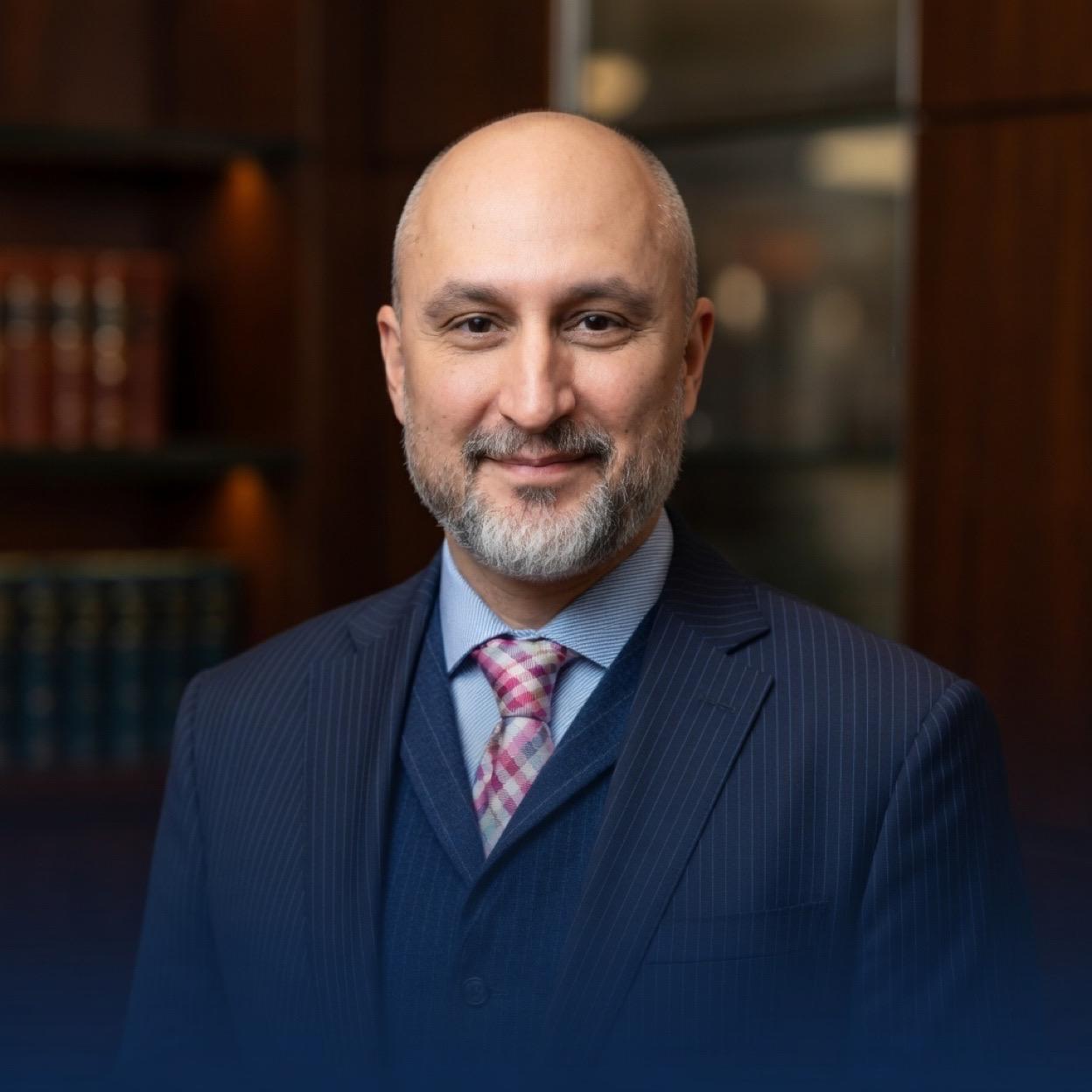
*Can Öztaş, LL.M., Ph.D, is a retired Turkish diplomat and jurist who writes on international law, Turkish foreign policy, and the politics of narratives. He teaches Turkish foreign policy and international law at Bilkent University in Ankara and contributes regularly to Turkey in Depth and the Critical Legal Thinking platform. This article was originally published in Turkey in Depth.
The Cultural Diplomacy Forum (CDF), in partnership with ODAM at Ankara University, hosted a high-level dialogu...
The implicit assumption is simple: The “Republic of Cyprus” is a normal European state facing external instabi...
The outrage from certain commentators, demanding that the 23-year-old Houston Rockets center be punished for “...
The opening line of the anthem of Mülkiye, the prestigious Political Science Faculty of Ankara University, dec...
Diplomacy loves spectacle because spectacle is easy to schedule, easy to photograph, and very easy to mistake...
As of early February 2026, there is still no evidence of a fully operational reopening of the land border betw...
Cultural diplomacy is no longer the “soft” edge of foreign policy. In a moment defined by shattered norms, wea...
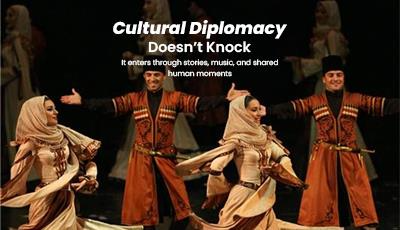
It doesn’t arrive with a convoy, a protocol officer, or a carefully negotiated communiqué. It shows up as a so...
MENA Centra is at the forefront of regional change. We combine strategic vision, policy acumen, and on-the-ground experience in a way that fills gaps between vision and delivery. Collaborations and local intelligence are delivered by us to drive scalable growth and sustained impact.



The MENA region is currently experiencing a period of transformation, which is largely powered by advancements in techno...
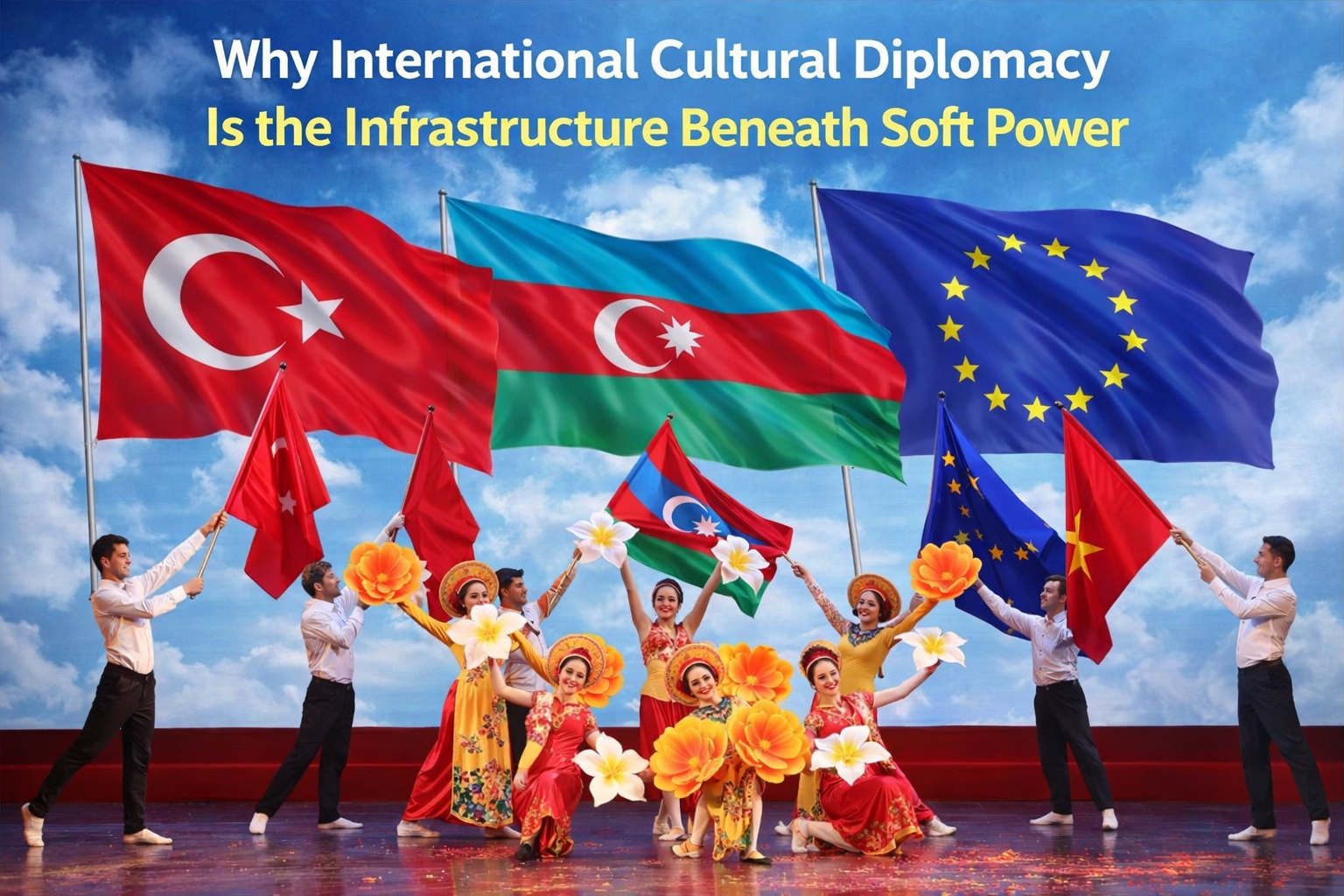
Nobody schedules a meeting to fall in love with a country. It happens through a television series watched at midnight, a...

MENA Centra Trade Corridors Watch – East–West routes in flux
MENA Centra Trade Corridors Watch – East–West routes in flux
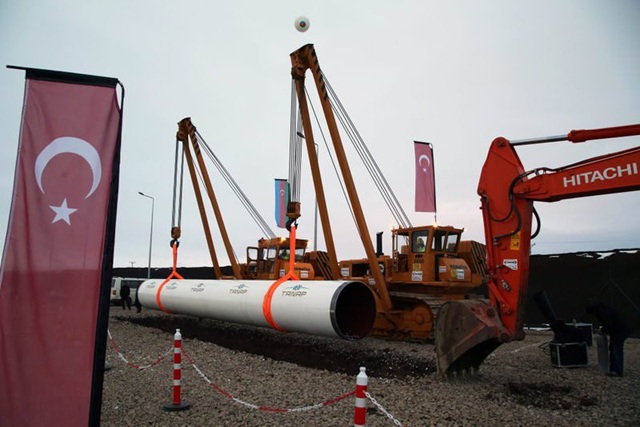
Turkey’s hub gambit under stress: nuclear bets, gas hedging and contested corridors
MENA Centra Trade Corridors Watch – East–West routes in flux
Türkiye’s outward push: energy diplomacy from the Eastern Med to Pakistan
Turkey’s next move: from transit state to energy–industrial hub