By Can Öztaş
“Ey Vatan, göz yaşların dinsin, yetiştik çünkü biz.”
(Motherland, let your tears be dried; we have arrived, for this is why we were raised.)
The opening line of the anthem of Mülkiye, the prestigious Political Science Faculty of Ankara University, declares a single mission: we exist so that the state does not collapse, so that the country does not cry. The “we” here is not a party or a leader’s entourage. It is a cadre trained to answer to something longer than a parliamentary term.
Mülkiye was founded in 1859 to train civil administrators: governors, district officials, finance officers and diplomats. Later, under Abdülhamid II, it was further elevated and expanded as a key school for the empire’s bureaucracy. When the Ottoman Empire gave way to the Republic, Mülkiye did not disappear; it moved. At Atatürk’s request, the school was relocated to Ankara. The city changed, the regime changed, the syllabus changed. The core mission did not: to create loyal civil servants that would put the state interests above everything.
LIFE IN CEBECİ
For the young and proud students of Mülkiye, there was also a life to be lived in Cebeci, where the faculty is located. Outside the campus, local confectioneries, toasted sandwich stands and gözleme joints were the natural extensions of political science. Inside, life clustered around certain corners of what is now called the Cebeci Campus. On warmer days, the small green patch in front of the school or the back garden turned into open-air seminar rooms. In winter, social life rotated around the radiators.
For those like me who came from the southern coast, these radiators were lifesavers. I sat on top of the heaters between classes, trying to convince my fingers to move again. I learned early that being ready to “serve the state” sometimes meant first surviving the frosty wind of Ankara.
And there was the coffee corner under the big amphitheater: a cramped, smoky democracy of plastic chairs and overboiled tea. Half the political spectrum passed through that corner at some point. Prime ministers shared corridors with the journalists and poets who would later become their fiercest critics. Some of the country’s most serious columnists, Ahmet Taner Kışlalı and Hasan Cemal among them, were shaped by the same professors who taught Hıncal Uluç, the flamboyant chronicler of sex, society and celebrity.
This spirit was publicly tested once a year, at Cow Fest (İnek Bayramı), Mülkiye’s most peculiar tradition. It began in the late 1930s as a student-run music and satire festival. A real cow, dressed up and mildly bewildered, was paraded through the streets of Cebeci by the top-performing students. In absurd costumes, students read out edicts in which each department mocked the other departments and the professors. The festival became an initiation into being a “Mülkiyeli”: to survive İnek Bayramı, you first had to survive being laughed at.
In recent years, the festival has been periodically banned, sanitised or denounced for “insulting values.”
FROM COW FESTIVAL TO DIPLOMACY
The same people who once marched behind the cow and tolerated being mocked were, a few years later, drafting budgets, investment programs, foreign-trade strategies and the cautious sentence that would convince a foreign capital to collaborate.
The Republic was built on the assumption that the state would rest on institutions: courts, universities, professional schools, and ministries. Imperfect, contested, sometimes compromised, they nonetheless embodied a basic principle: the state should be resilient and more patient than the government of the day.
Without institutional memory, politics becomes a sequence of gestures: visits, rallies, viral clips, sudden breaks and equally sudden reconciliations. Without the slow work of people trained to read archives, budgets, treaties and public moods, these gestures lack depth.
Mülkiye’s mission, at its best, was to resist this amnesia. To tell its students that they were entering a chain: that someone before them had tried something similar, and someone after them would live with the consequences. It was a form of discipline, and also a form of protection: against hysteria, against flattery, against the belief that history begins with oneself.
Behind this mission lay a simple ethic: you work for the long-term interests of the state, not for the passing comfort of a government. It is an ethic that has sat uneasily with every government, and has belonged to none of them. That is precisely why Mülkiye still matters at 166: it promises to dry the country’s tears, but refuses to cry on cue.
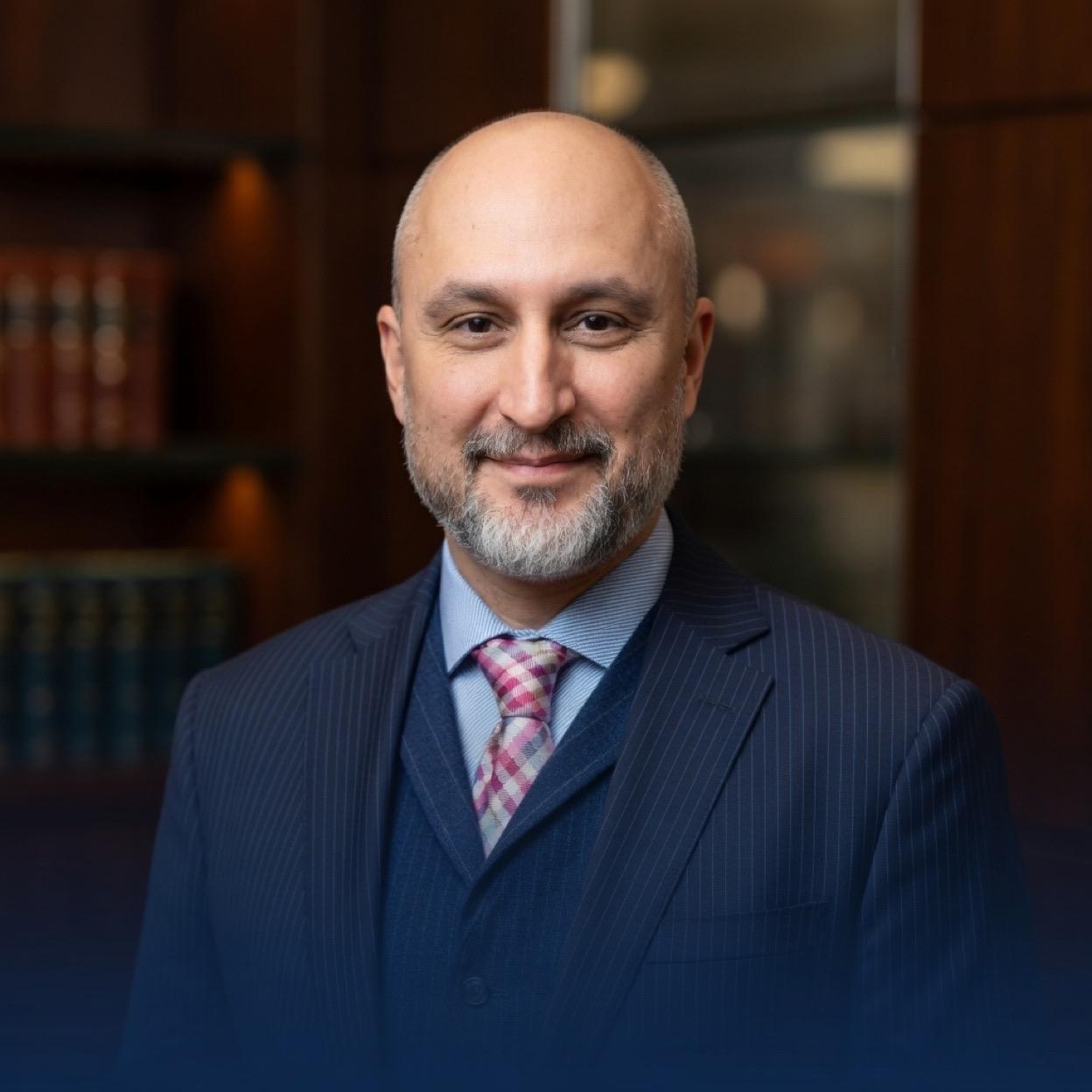
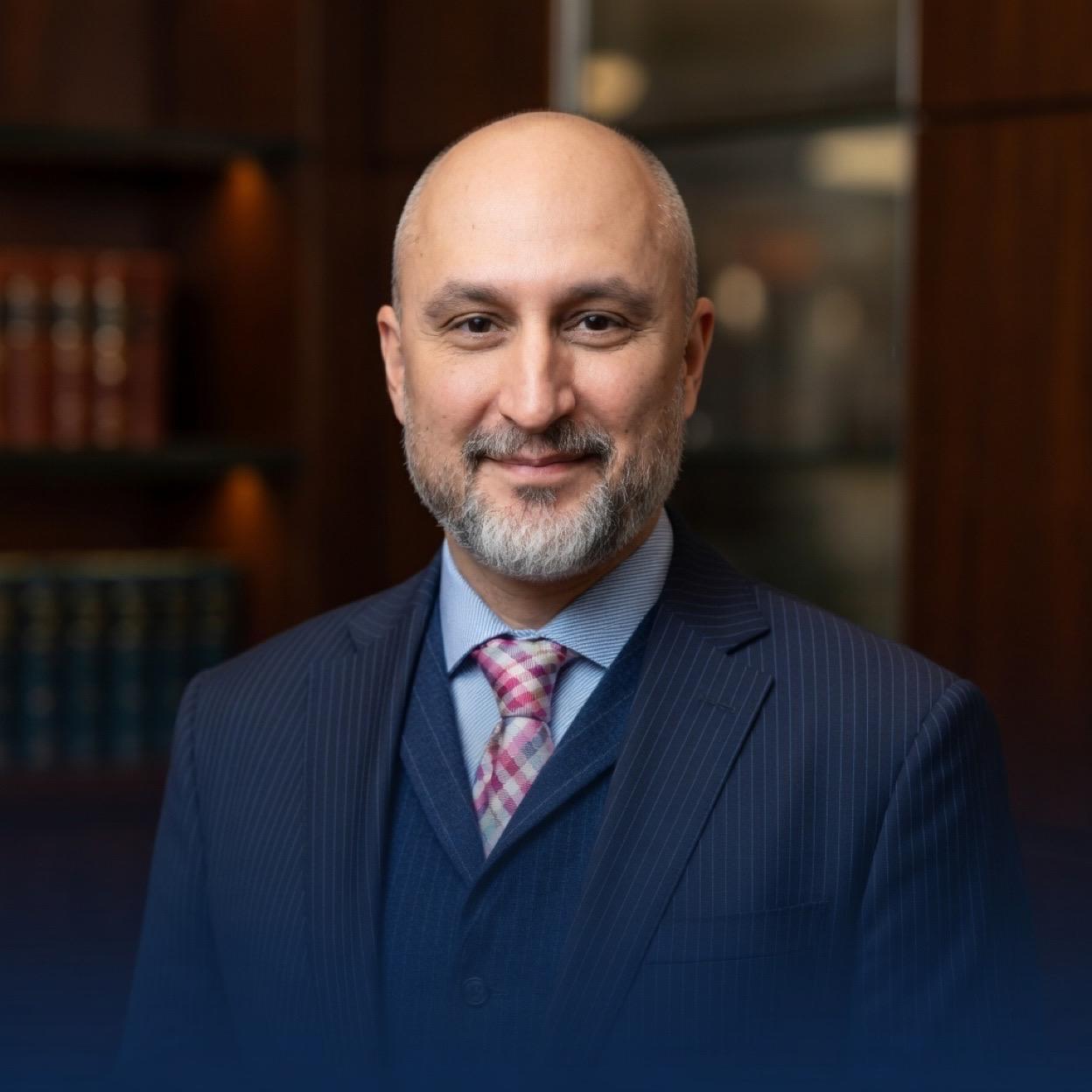
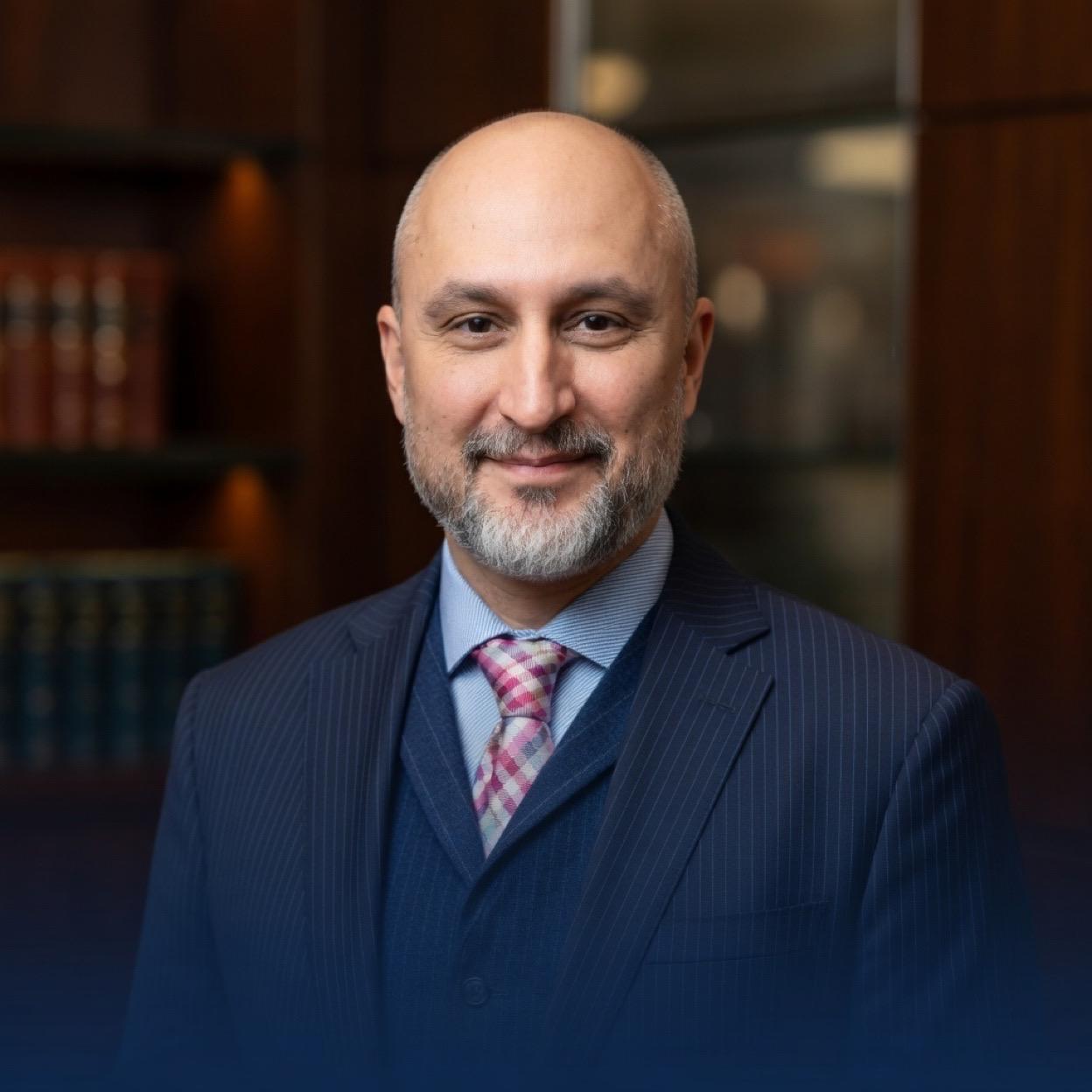
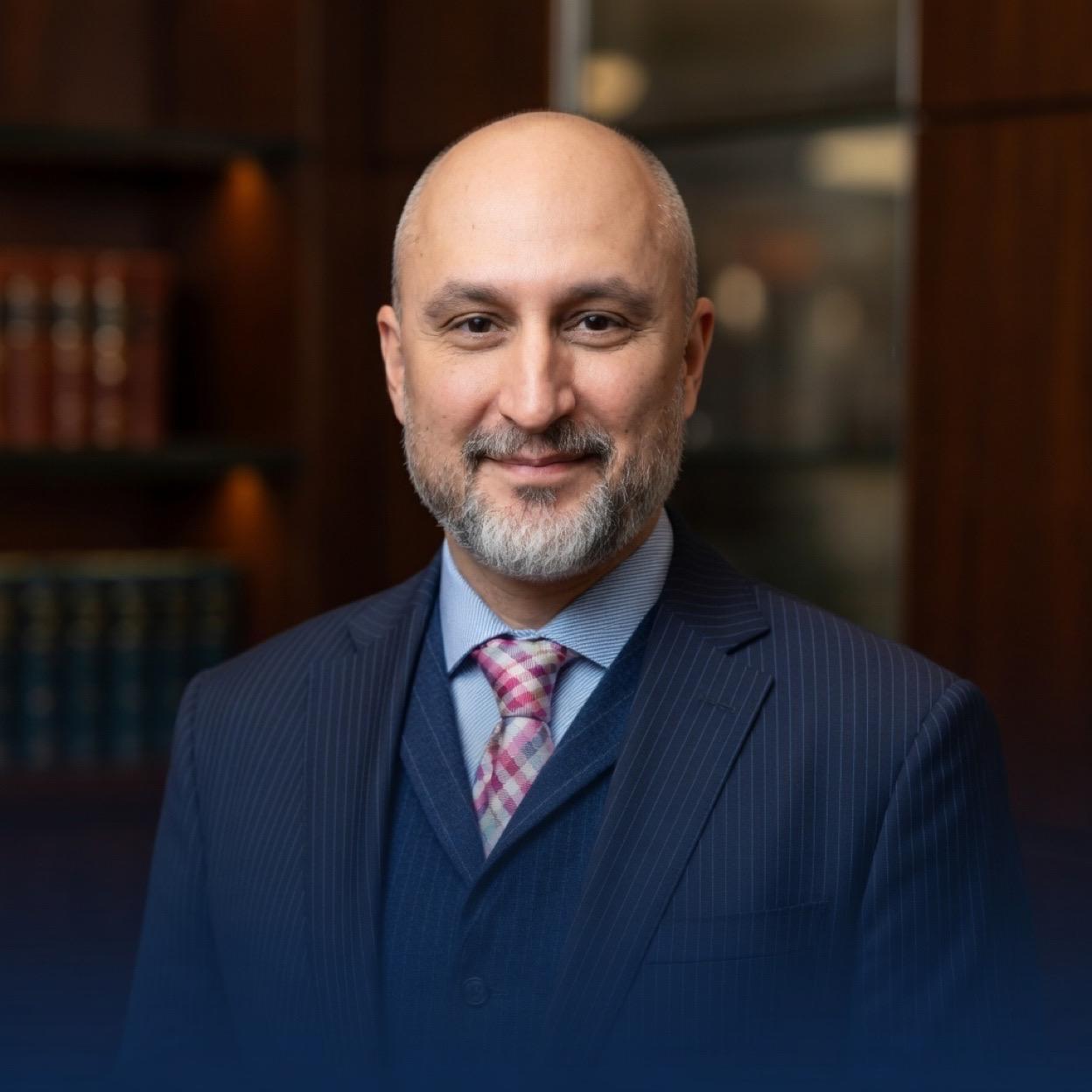
*Can Öztaş, LL.M., Ph.D, is a retired Turkish diplomat and jurist who writes on international law, Turkish foreign policy, and the politics of narratives. He teaches Turkish foreign policy and international law at Bilkent University in Ankara and contributes regularly to Turkey in Depth and the Critical Legal Thinking platform. This article was originally published in Turkey in Depth.
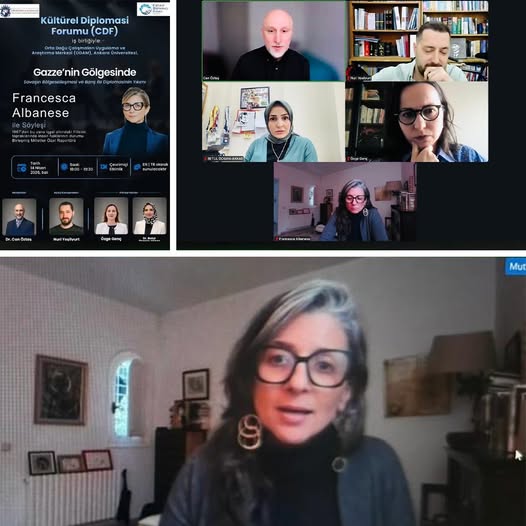
The Cultural Diplomacy Forum (CDF), in partnership with ODAM at Ankara University, hosted a high-level dialogu...
The implicit assumption is simple: The “Republic of Cyprus” is a normal European state facing external instabi...
The outrage from certain commentators, demanding that the 23-year-old Houston Rockets center be punished for “...
The opening line of the anthem of Mülkiye, the prestigious Political Science Faculty of Ankara University, dec...
Diplomacy loves spectacle because spectacle is easy to schedule, easy to photograph, and very easy to mistake...
As of early February 2026, there is still no evidence of a fully operational reopening of the land border betw...
Cultural diplomacy is no longer the “soft” edge of foreign policy. In a moment defined by shattered norms, wea...
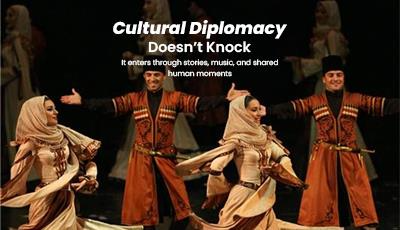
It doesn’t arrive with a convoy, a protocol officer, or a carefully negotiated communiqué. It shows up as a so...
MENA Centra is at the forefront of regional change. We combine strategic vision, policy acumen, and on-the-ground experience in a way that fills gaps between vision and delivery. Collaborations and local intelligence are delivered by us to drive scalable growth and sustained impact.
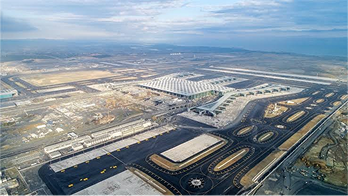
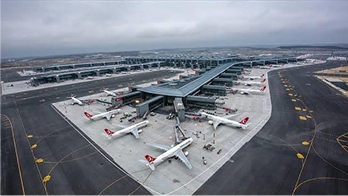

The MENA region is currently experiencing a period of transformation, which is largely powered by advancements in techno...
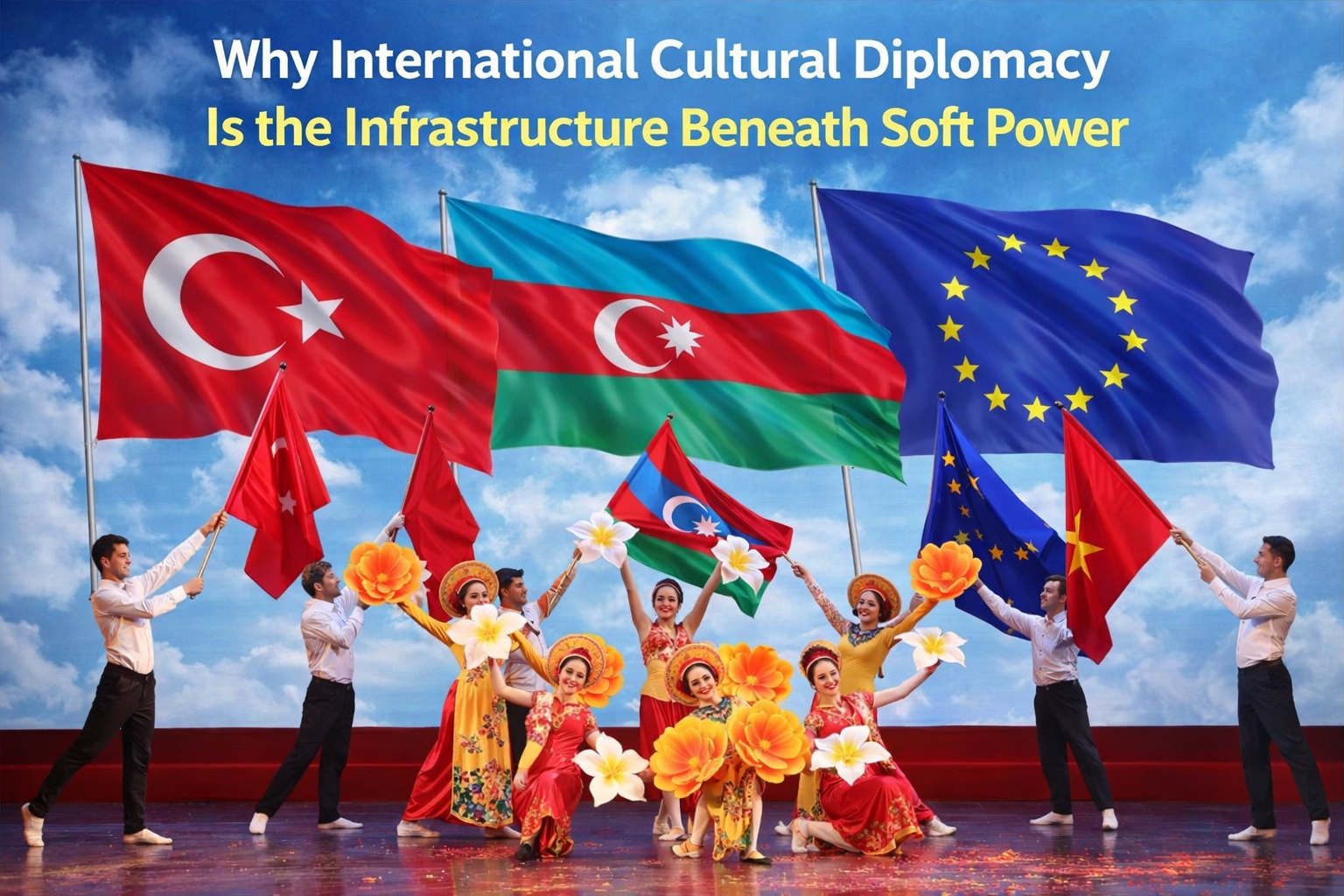
Nobody schedules a meeting to fall in love with a country. It happens through a television series watched at midnight, a...
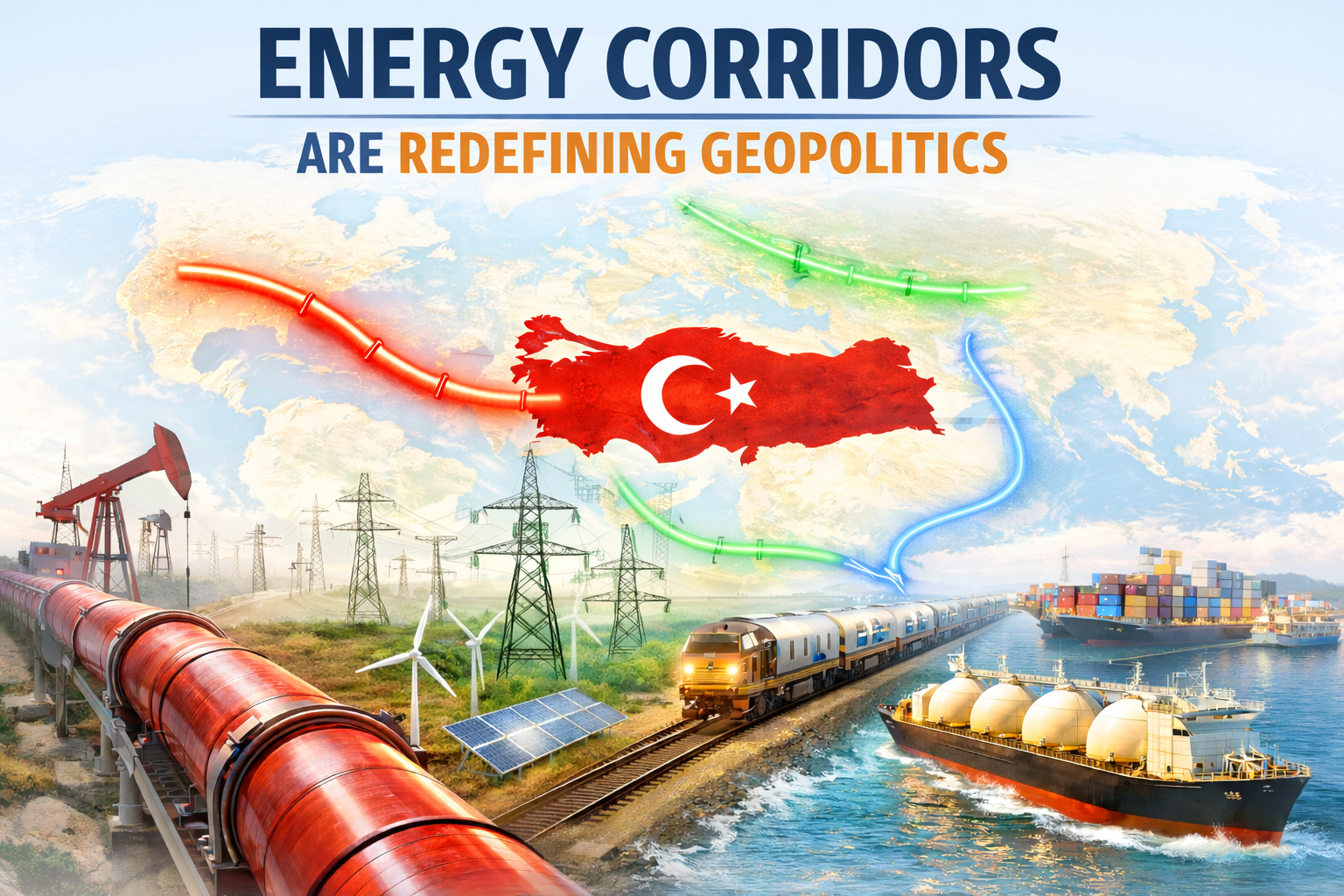
MENA Centra Trade Corridors Watch – East–West routes in flux
MENA Centra Trade Corridors Watch – East–West routes in flux
Turkey’s hub gambit under stress: nuclear bets, gas hedging and contested corridors
MENA Centra Trade Corridors Watch – East–West routes in flux
Türkiye’s outward push: energy diplomacy from the Eastern Med to Pakistan
Turkey’s next move: from transit state to energy–industrial hub