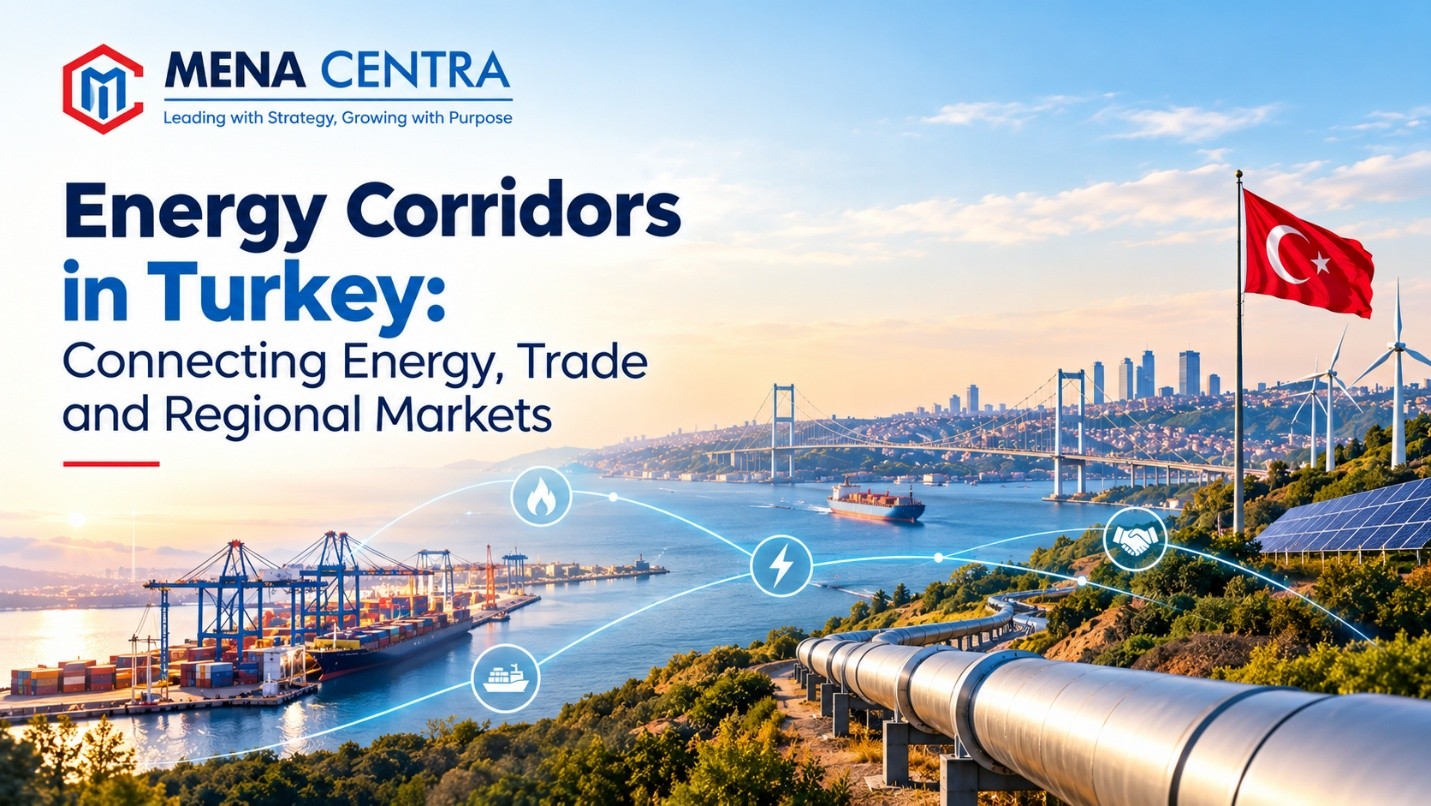
Why does Turkiye matter so much to regional energy corridors? The short answer is access. Gas from the Caspian, oil from the Caucasus and supply from the Middle East all find their most practical path to European buyers through Anatolia. Few other routes offer the same reach, with the Black Sea and the Mediterranean on either side. But the real story has moved beyond fuel.

Data shows where growth is likely to happen. It cannot show you how to earn and ensure credibility once you arrive there. In the MENA region, this element matters substantially. Here, economic priorities, politics, social norms and institutional culture all shape decisions at the same time.
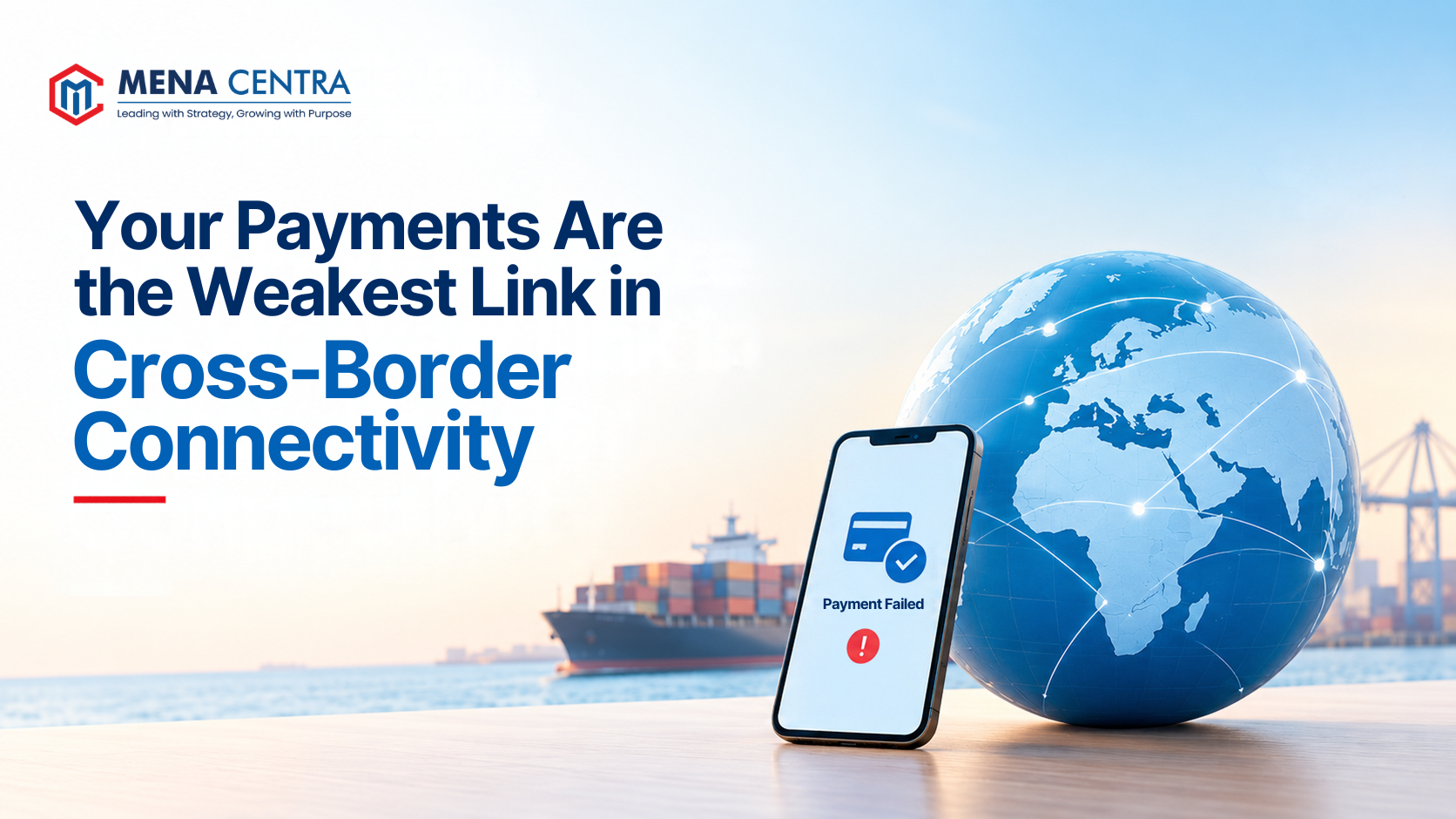
A Turkish manufacturer ships a container of machinery to Dammam right on schedule. The port clears it, the buyer signs for it, the forklift does its thing. Then the money goes quiet. Nine days later it is still floating between two correspondent banks, one of which has asked for an invoice format nobody uses.
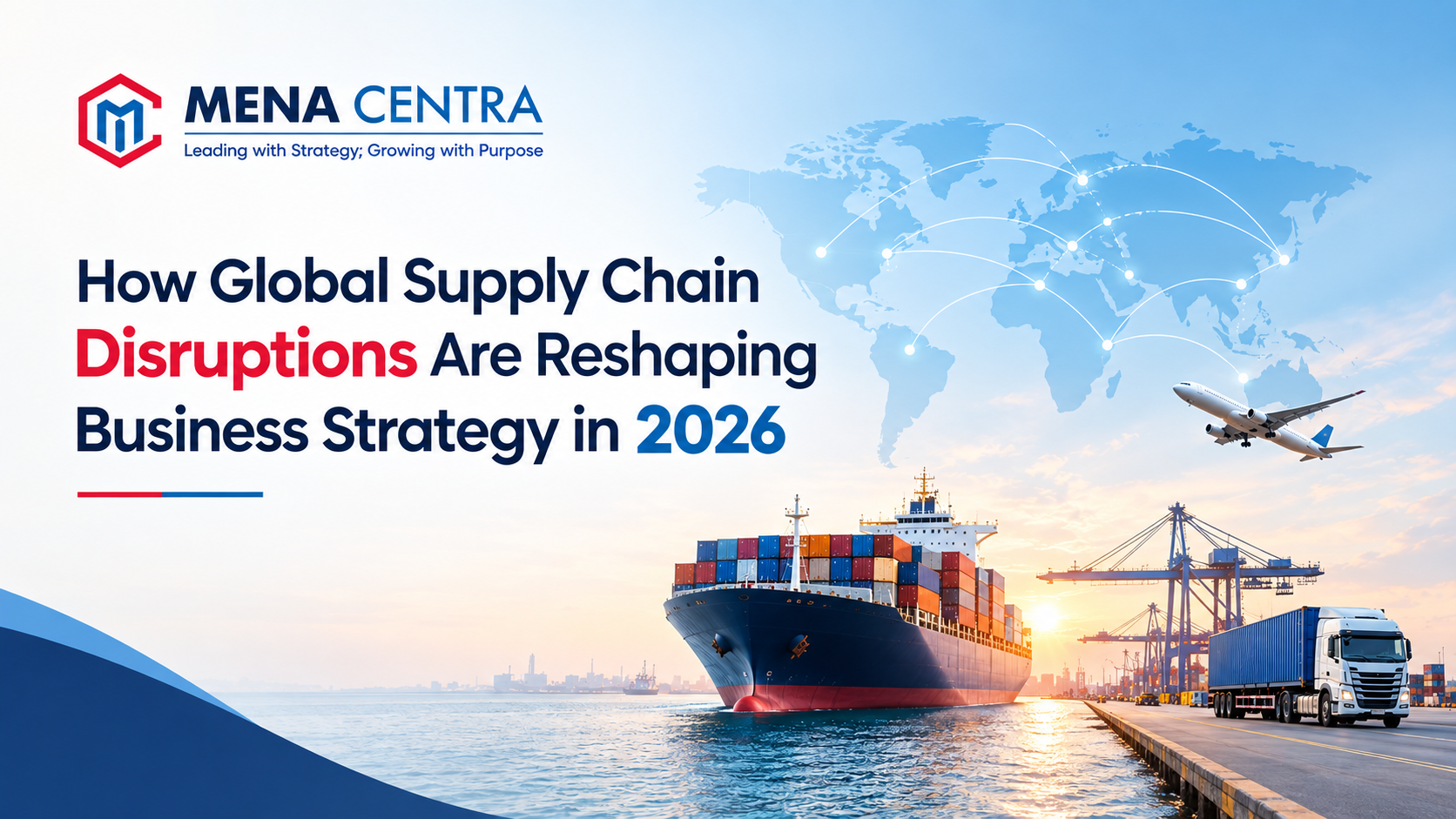
Ask a procurement director in 2021 when things would get back to normal and you'd get a shrug and a guess. Ask the same question today and the answer is different: normal isn't coming back. The global supply chain that businesses relied on for decades has developed enough cracks that simply patching the old system is no longer enough. Companies are rebuilding it instead, and the ones doing it well are setting the pace in 2026.
Open any investment briefing on Türkiye and the first slide is almost always about risk. Currency swings, inflation charts, political headlines. It's a familiar script, and it's not wrong. But it's incomplete. While analysts keep refreshing the same risk dashboard, the investment opportunities in Türkiye have quietly matured into something far more substantial than the headlines suggest.

Global trade is growing. And the traditional systems designed to manage it are now facing trouble. Every year more goods, data, and payments travel across different borders. Businesses now want these transactions to happen faster. But still many trade corridors run on paperwork and manual approval systems. This hampers the coordination between agencies.
Nobody schedules a meeting to fall in love with a country. It happens through a television series watched at midnight, a recipe passed between neighbours, a scholarship that turns a stranger into a colleague. By the time it happens, it has already worked. That is the logic of cultural diplomacy, and it is one of the most misread tools in foreign policy.