09 April 2026 Admin
The phrase soft power has never been more misleading.
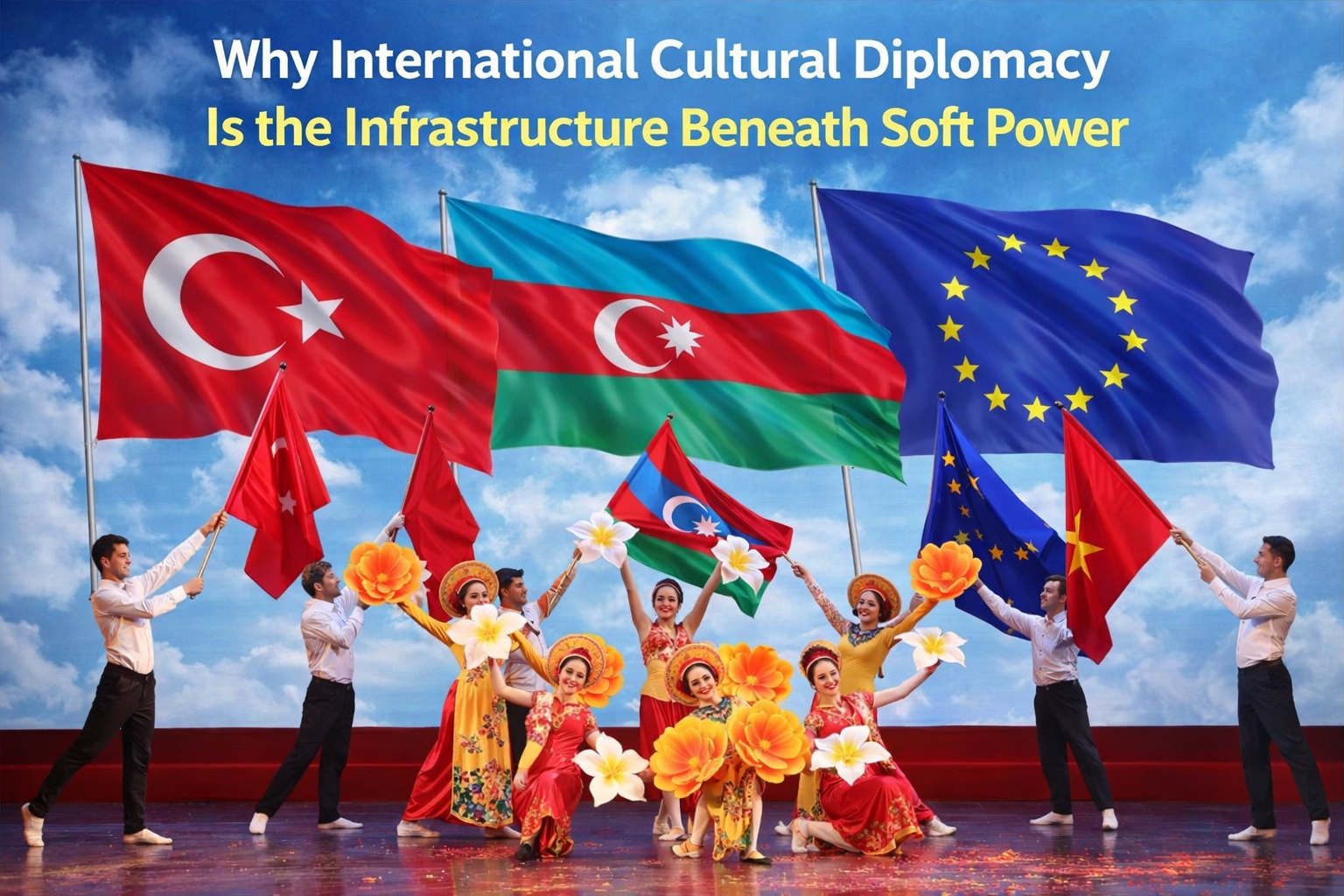
For decades, cultural diplomacy was filed away under the diplomatic equivalent of 'nice to have' something states did when they weren't busy with the serious work of treaties, trade, and deterrence. That framing is now obsolete. In a world defined by shattered norms, weakened multilateral institutions, and politics increasingly driven by escalation rather than compromise, culture has become one of the few tools still capable of producing something genuinely scarce: social permission for cooperation.
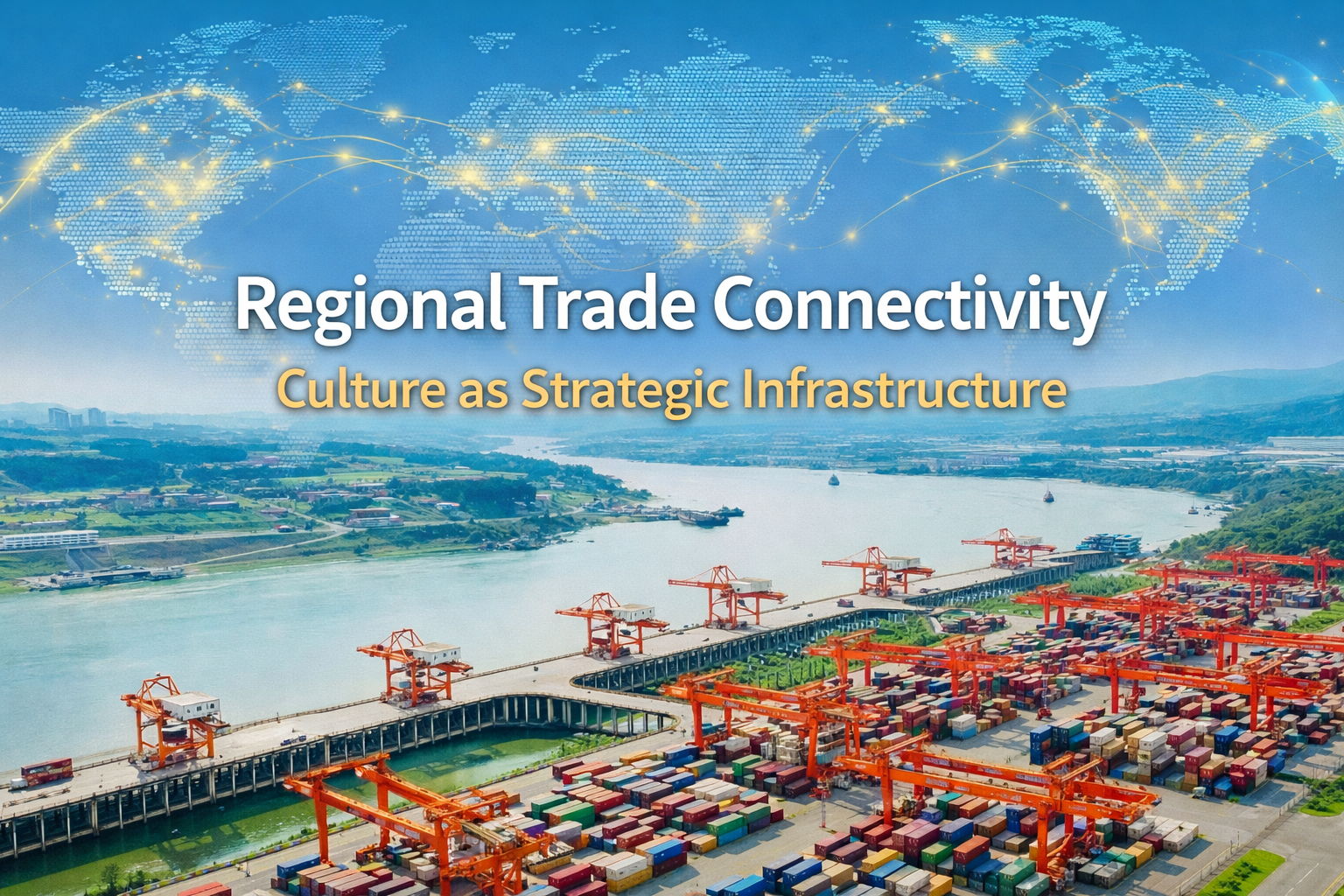
This is not a marginal observation. It sits at the core of how the most consequential geopolitical actors from European capitals to Ankara are now thinking about Regional Trade Connectivity, and influence in contested spaces like MENA.
Cultural diplomacy isn't what you show. It's what you sustain.
Traditional diplomacy has a fundamental structural weakness: it is elite-to-elite and hostage to summit calendars. When political relations freeze, and in the MENA region, they often freeze, official channels close. Ambassadors are recalled. Flights stop. Economic agreements stall. Cultural diplomacy operates on a different logic entirely.
It is people-to-people: students, artists, writers, entrepreneurs, civil society organisations, and cities. When the top-level relationship becomes a liability, cultural channels can keep moving underneath, preserving contact, preventing narratives from collapsing into total hostility, and sometimes remaining the only line still open between two societies that their governments have declared enemies.
This is not a theoretical point. It is observable across the region's recent history. The diplomatic relations between Turkey and various Arab states maintained their cultural and educational connections during times of political unrest between the two countries. The parties established their necessary relationship framework, which enabled them to achieve reconciliation at an accelerated pace with diminished resistance according to subsequent political developments. The global logistics management system, which operates through various complex corridors with multiple stakeholders, requires more than just technical agreements to establish its governance systems. The process develops through ongoing human interactions, which cultural diplomacy creates over an extended period. The operational stability of trade corridors requires the presence of political stability.
Political stability, in deeply divided societies, is built on something cultural diplomacy supplies: familiarity, shared reference points, and the slow erosion of the 'other-ness' that makes conflict cheap.
In global politics, how a state is perceived is not a communications problem; it is a strategic asset. Being seen as humane, modern, ethical, or trustworthy changes how other governments treat you, how investors evaluate you, how partners engage with you, and how the international community responds when you face pressure.
This is why serious actors invest in cultural institutions and global cultural networks, not as public relations exercises, but as long-term relationship infrastructure.
UNESCO's legitimacy frameworks, national cultural institutes, language networks, and exchange programs are not decorative. They are the mechanisms through which reputational capital is built and sustained over decades.
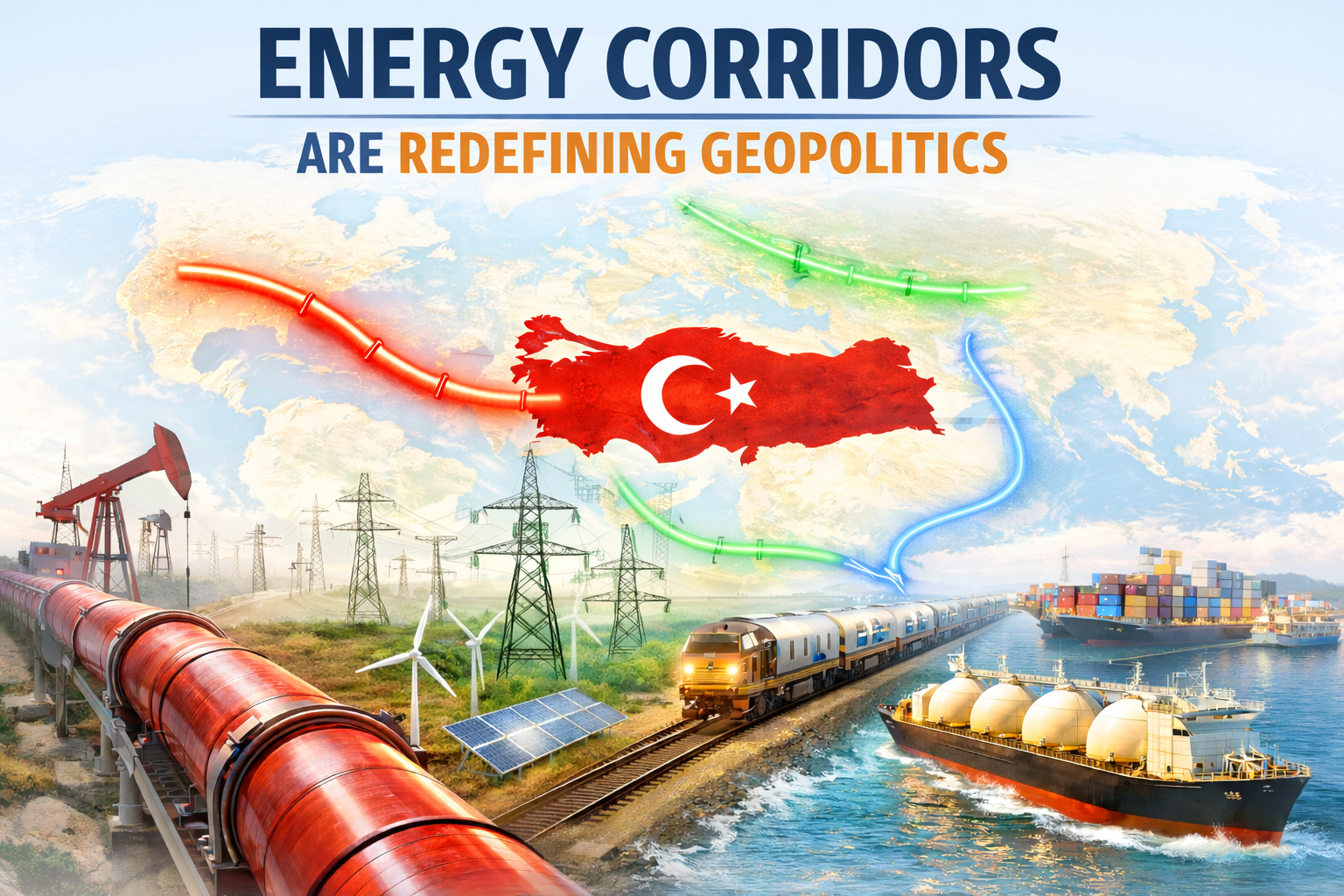
Turkey's position in this regard is instructive. Its cultural reach into the MENA region, through language, media, diaspora networks, and institutional presence, has created a form of strategic depth that no single trade agreement or bilateral summit could replicate. The Energy Corridors in Turkey debate, for instance, is not conducted in a political vacuum.
Turkey's ability to position itself as a credible regional hub, for energy, trade, and connectivity, rests partly on the relational and reputational groundwork laid through years of sustained cultural engagement. Infrastructure follows trust. In global politics, reputation is not superficial; it is strategic. Being perceived as trustworthy changes how others invest in you, partner with you, and defend you.
Culture feeds tourism. It drives creative industries. It shapes city branding, attracts talent, and opens trade relationships. In many countries, cultural diplomacy now sits inside the same strategic toolbox as economic diplomacy and development policy. This is not incidental: culture is one of the fastest ways to generate jobs, visibility, and long-term partnerships, particularly in economies seeking to diversify beyond commodity exports.
The MENA region's Gulf states have understood this better than most. The investment in museums, festivals, global cultural events, and education infrastructure is not cultural philanthropy; it is economic positioning. It is about being taken seriously as a destination, a partner, and a platform.
Similarly, Turkey's sustained cultural engagement across the MENA region has created commercial openings that pure trade diplomacy could not have generated alone. When a Turkish television drama is watched across 40 countries, it is simultaneously a cultural product, a branding exercise, and a global logistics management asset, one that smooths the path for Turkish goods, services, investment, and political relationships in markets where those dramas air.
The most important development in the field is this: cultural diplomacy is no longer only state-led or symbolic. It is becoming network-based, driven by cities, NGOs, diaspora communities, and creative industries, issue-driven, and economically integrated.
In other words, it is moving from 'soft power' to strategic infrastructure for coexistence.
The countries that have mastered this shift share a common trait: they built durable institutions and exchange pipelines, not just campaigns. The UK's British Council, Germany's Goethe-Institut, France's Alliance Française, and Japan's Japan Foundation are not cultural PR operations. They are long-term relationship systems, designed to persist across political cycles, funding pressures, and shifting priorities.
Turkey's cultural diplomacy institutions, particularly across the MENA region, increasingly reflect this model. Alongside the discussion of energy corridors in Turkey and Ankara's role as a Regional Trade Connectivity hub, there is a parallel and underappreciated story: the institutional depth of Turkey's cultural presence across the Arab world, Africa, and Central Asia creates strategic assets that outlast any single government's foreign policy priorities.
The countries that lead are the ones that treat culture not as decoration, but as a long-term relationship policy.
At MENA Centra, we track culture as infrastructure, not as an add-on to serious policy, but as one of its load-bearing elements.
The MENA region is not short on culture. It has civilisational depth, linguistic reach, heritage, creative energy, and diaspora networks spanning every continent. What has not yet been fully built is the institutional architecture that converts that cultural depth into sustained strategic relationships, the pipelines, not just the performances.
That gap is closing. And as Regional Trade Connectivity deepens, the debate around Energy Corridors in Turkey and broader MENA energy architecture intensifies. Cultural diplomacy isn't what you show. It's what you sustain.