08 October 2026 Admin
A Turkish manufacturer ships a container of machinery to Dammam right on schedule. The port clears it, the buyer signs for it, the forklift does its thing. Then the money goes quiet. Nine days later it is still floating between two correspondent banks, one of which has asked for an invoice format nobody uses.
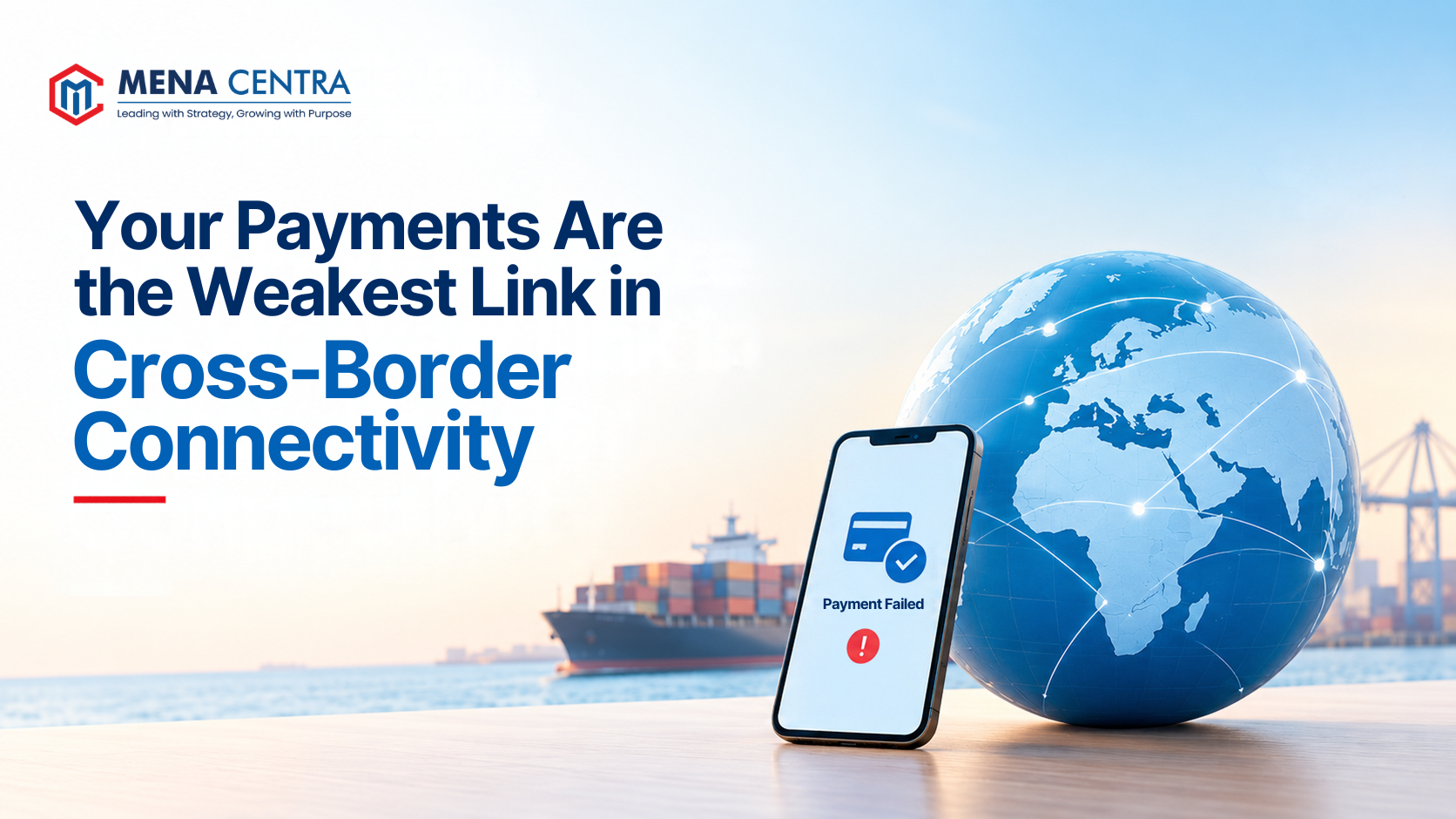
Everyone in that deal did their job. The goods moved. The payment didn't. That gap is the least discussed problem in cross-border connectivity, and it decides whether a trade relationship is actually worth having.
Governments across the Türkiye-MENA region have invested heavily in ports, rail links and customs zones, and it shows. Goods that used to take weeks now arrive in a couple of days.
But getting paid is a different story. A shipment might reach the buyer in 48 hours, while the payment takes ten days to come through. That makes the whole corridor feel slow, no matter how good the roads and ports are.
The delay hurts in three ways. Cash stays stuck when the business needs it. Exporters add extra cost to their prices to cover the risk of waiting. And smaller firms often turn down deals they could easily deliver, because they can't afford to wait for the money. Nobody announces that problem, but it costs the region real business.
Most payments between Türkiye and its Gulf and North African partners don't go directly from one country to the other. They pass through banks that handle dollars or euros first. So a payment from Turkish lira to UAE dirhams often takes a detour through New York or Frankfurt before it reaches the receiver. Every stop on that route adds a fee, a compliance check and a wait.
Then there are the everyday problems that slow things down further. Each country uses different invoice formats and follows different reporting rules. Banks also run sanctions checks, and a genuine company can get flagged just because its name looks similar to someone else's. Any one of these is a small annoyance. Put them together, and there are so many places where a payment can get stuck that it becomes hard to keep track of them all.
Mid-sized businesses often feel this gap the most. Large corporations have finance teams, dedicated banking relationships, and resources to turn to when something goes wrong. A family-run exporter in Gaziantep may have little more than a spreadsheet, a few trusted contacts, and a hope that nothing goes wrong.
Some central banks in the region are already exploring or adopting ways to settle trade in local currencies. At the same time, instant payment systems are expanding into more markets. The goal is straightforward: fewer banks involved in a transaction, fewer currency conversions, and faster access to money.
But progress is not the same everywhere. Each country pair can have different rules, processes, and payment options. Businesses should not wait for one regional payment system to solve everything. Instead, they can start by asking their banks what settlement options are available today and including flexible payment terms in their contracts from the beginning.
When people hear smart infrastructure, they picture sensors on bridges and automated port cranes. Fair enough. But a payment rail is infrastructure as well, and it needs the same planning, standards and interoperability as anything made of concrete.
Smart infrastructure in trade means the invoice, the customs declaration and the payment instruction all speaking to each other. A shipment gets cleared, and that clearance can trigger the release of funds without three people emailing PDFs back and forth. Some of the most valuable upgrades in cross-border connectivity will be invisible. You won't see them from the highway.
Renewable energy infrastructure is a good stress test for all of this. A solar or wind project in the Gulf might use equipment manufactured in Türkiye, financing arranged in Europe, and revenue earned in local currency. Money crosses borders at every milestone.
If a milestone payment arrives late, a construction schedule can quickly fall behind. If unexpected currency conversion costs reduce a project's margin, the financial projections can change after the contract is signed. Lenders take these risks into account. Reliable payment systems can help reduce financial uncertainty, while weak or unpredictable settlement can increase financing costs and make renewable energy projects more expensive before construction even begins.
Here is something most companies never do. They never measure their own payment performance by corridor.
Pull the last year of cross-border invoices and look at three things: days from shipment to cash, money lost to currency conversion and fees, and how often a payment bounced or needed rework. Companies that run this exercise often find one or two routes quietly eating margin, while a supposedly smaller market pays fast and clean.
That is what a data-driven growth strategy looks like in practice. It isn't a dashboard for its own sake. It means choosing which markets to push into based on how reliably you get paid, not just how large the demand looks on paper. A growth plan that ignores payment data is working from half a map.
Start small. Take your last twenty cross-border invoices and count the days to cash. Ask your bank whether direct local currency settlement is available for your top two corridors, and get the answer in writing. Standardise your invoice format so it survives contact with a compliance department. For larger deals, look at escrow or trade finance structures that release funds against clear milestones.
And bring in specialist advice early. Structuring a deal after the payment problem appears is far more expensive than structuring it before.
The physical links across this region are impressive, and they will keep improving. The businesses that pull ahead will be the ones that treat money as part of the corridor, not something that happens afterwards.
If you are planning trade or investment across the Türkiye-MENA corridor and want the payment side built properly from day one, Mena Centra can help you structure it. Talk to our team and turn cross-border connectivity into cash that actually arrives.