18 September 2026 Admin
Open any investment briefing on Türkiye and the first slide is almost always about risk. Currency swings, inflation charts, political headlines. It's a familiar script, and it's not wrong. But it's incomplete. While analysts keep refreshing the same risk dashboard, the investment opportunities in Türkiye have quietly matured into something far more substantial than the headlines suggest.
Here's what the risk-first narrative misses: Türkiye isn't betting its economy on stability alone. It's betting on position. Sitting at the intersection of Europe, the Gulf, and North Africa, Türkiye has spent the last decade building the infrastructure, trade agreements, and industrial capacity to become the operational hub for cross-border business cooperation across three regions at once. That's not speculation. That's a strategy already in motion.
Country risk is often judged through today's indicators, while the forces shaping tomorrow remain less visible. Investment opportunities in Türkiye, on the other hand, are built on multi-year infrastructure and trade positioning that doesn't reverse with a news cycle.
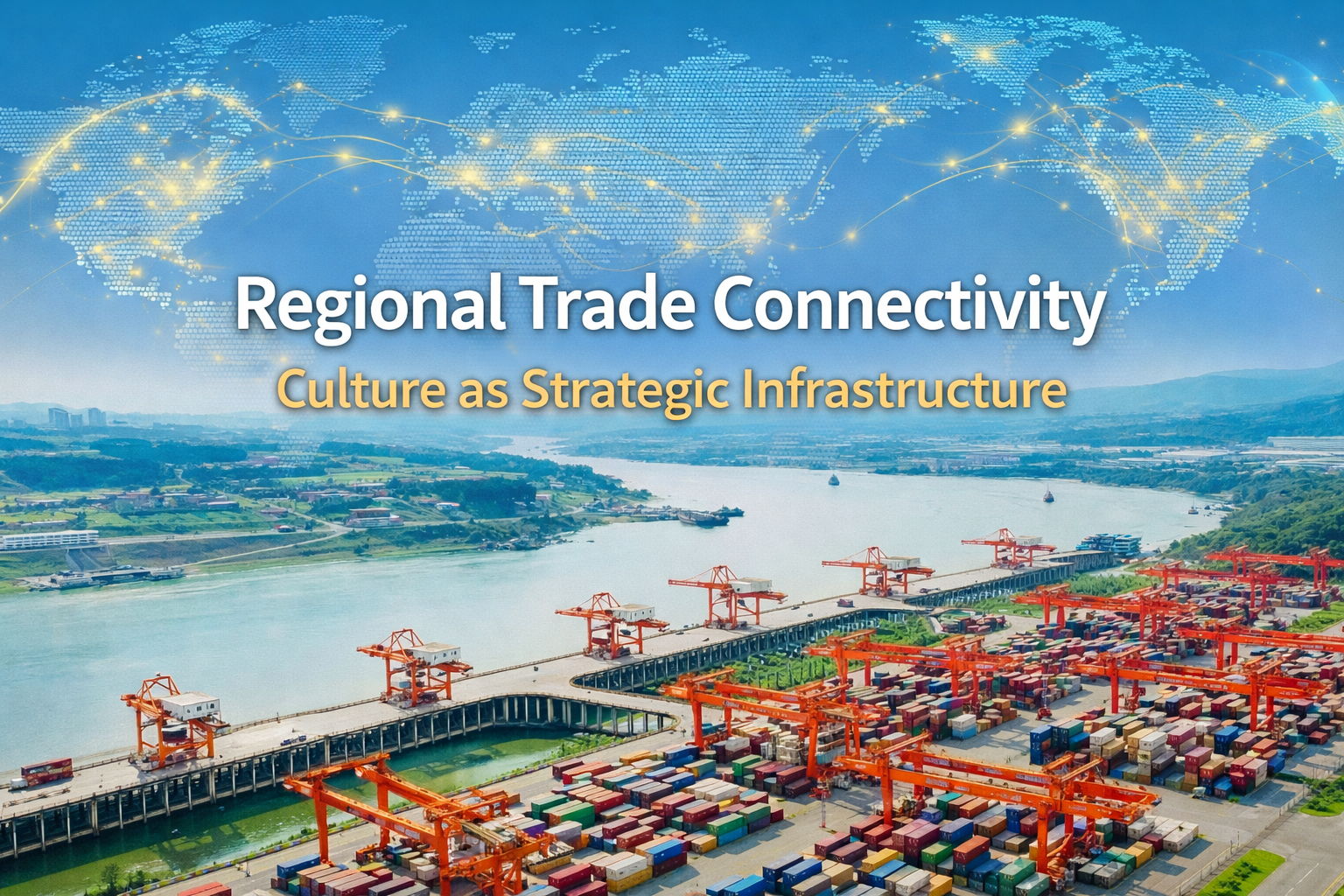
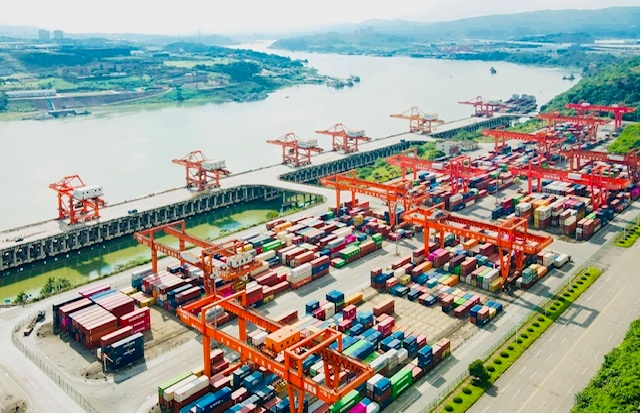
Take global logistics management. Türkiye has invested heavily in ports, rail corridors, and customs modernization specifically to reduce friction for companies moving goods between Europe, the Gulf, and Africa. The Istanbul-Izmir-Gulf shipping lanes, expanded rail freight capacity, and digitized customs processing aren't defensive moves against economic pressure. They're offensive plays to capture trade volume that used to route around Türkiye entirely.
Then there's regional trade connectivity. Türkiye holds a customs union with the EU, active trade agreements across the Gulf Cooperation Council states, and growing commercial ties with North African markets. Few countries give investors seamless access to all three regions from a single manufacturing or distribution base. That is a structural advantage, not a short-term opportunity.
Investors entering Türkiye aren't overlooking the risks. They're pricing them in and focusing on the underlying fundamentals that support long-term value.
Manufacturing and industrial capacity. Türkiye's industrial base, particularly in automotive components, textiles, and machinery, gives investors production capacity close to European demand without European labor costs.
Renewable energy infrastructure. Türkiye’s renewable energy expansion is opening new avenues for capital seeking growth outside mature Western markets, with government incentives helping make solar and wind investments even more compelling.
Cross-border business cooperation vehicles. Joint ventures, trade facilitation partnerships, and bilateral investment structures are becoming easier to execute, as institutions like Mena Centra help investors navigate regulatory and cultural complexity across the Türkiye-MENA corridor.
Logistics and warehousing. As global logistics management shifts toward regional hubs instead of single mega-ports, Türkiye's geography turns into direct commercial value for anyone moving goods between continents.
The pattern among investors succeeding in Türkiye right now is consistent: they treat risk as a variable to manage, not a reason to wait. They build local partnerships early. They leverage Türkiye’s existing trade agreements instead of spending years negotiating new market access. More importantly, they think in terms of corridors rather than individual countries, using Türkiye as a strategic base to reach the Gulf, Europe, and North Africa from a single investment platform.
This is where the conventional risk narrative falls short. It assesses Türkiye as an isolated economy rather than recognising its role as a strategic connective hub, where infrastructure, trade routes, and capital flows converge across multiple markets.
Risk headlines will keep circulating because they're easy to write and easier to read. But investment opportunities in Türkiye were never really about waiting for volatility to disappear. They see what the headlines often miss: the trade links, logistics networks, and cross-border frameworks are already built and functioning. The investors paying attention are positioning themselves to capture the opportunities emerging from that connectivity.
If you're evaluating how to move capital into the Türkiye-MENA corridor, Mena Centra works directly with investors and businesses to structure market entry, navigate regulatory pathways, and build the cross-border partnerships that turn regional access into real returns.