09 October 2026 Admin
Data shows where growth is likely to happen. It cannot show you how to earn and ensure credibility once you arrive there. In the MENA region, this element matters substantially. Here, economic priorities, politics, social norms and institutional culture all shape decisions at the same time.
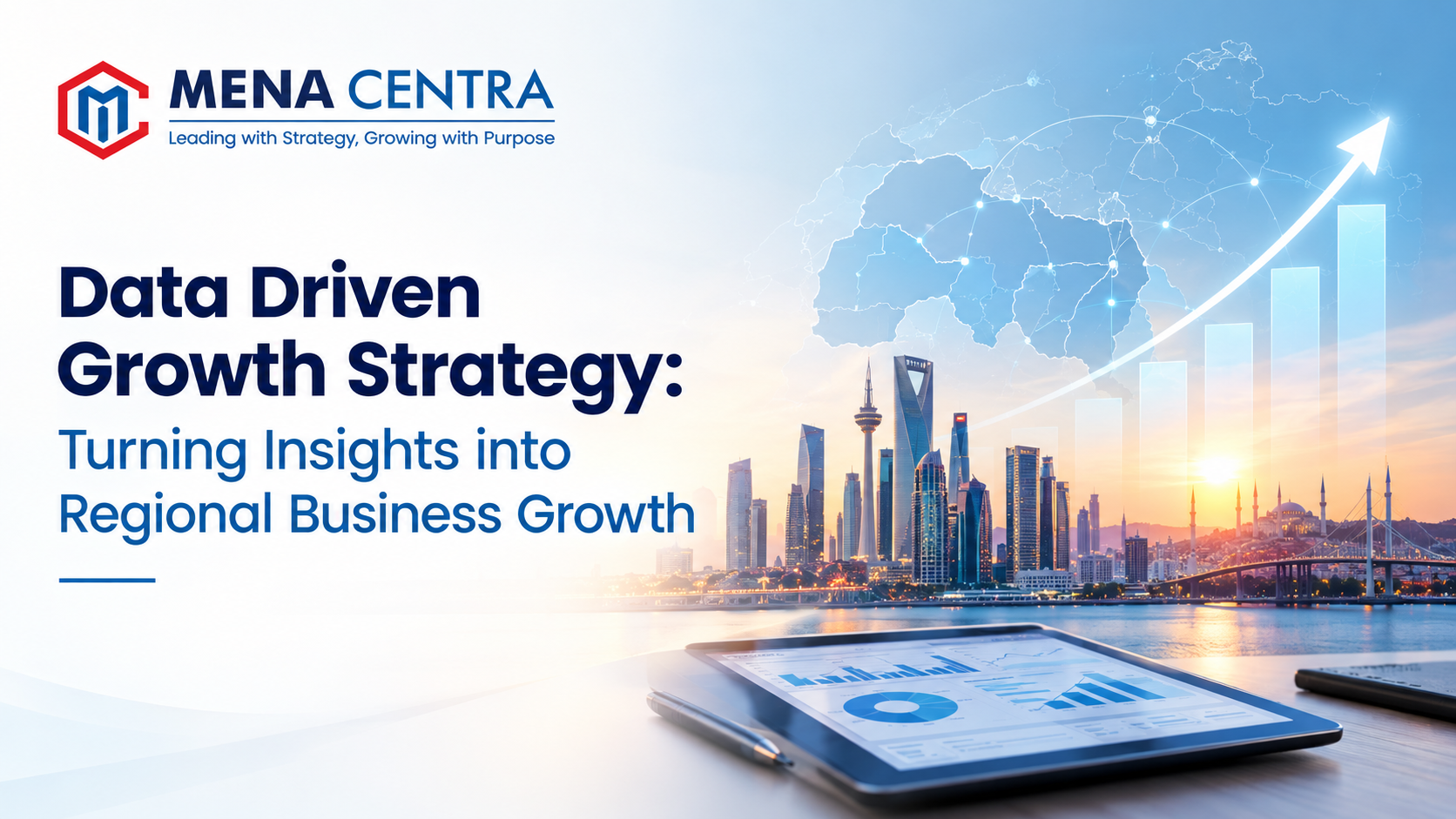
So what is a data driven growth strategy? What’s the point of even discussing it? It is an approach that uses reliable market, economic and sector intelligence to spot opportunities, weigh risks and guide resources. This blog is about the same. It shows how data works alongside international cultural diplomacy programs to support growth that lasts.
Being data driven is not about collecting more information. Most organisations already have plenty of it. The real skill is choosing what matters and turning it into decisions.
Useful intelligence usually includes:
But “Context” changes everything. A strategy that works well in one MENA market can suffer in another, because regulation, demand and business culture differ in different places. That’s why MENA Centra combines market intelligence, economic intelligence, strategic foresight, opportunity mapping and risk assessment. Good data reduces assumptions, so leaders can decide on evidence rather than impressions.
Raw information doesn’t improve a decision. It has to be refined first, calibrated first.
Data → Intelligence → Strategic Insight → Decision → Measurable Action
|
Strategic Need |
Role of Data |
|
Market entry |
Shows demand, competition and market conditions |
|
Investment |
Supports opportunity and risk assessment |
|
Partnerships |
Points to relevant sectors and institutions |
|
Expansion |
Allows markets to be compared and prioritised |
|
Risk management |
Flags economic, regulatory and geopolitical signals |
The key point is simple. Data should not just describe what is happening. It should help leaders decide where action is truly justified.
Markets are not spreadsheets. They are made of people, institutions and long-standing relationships. A market may look excellent on paper, yet the numbers cannot build trust for you.
Several human factors shape outcomes:
Regional growth needs analysis and context together. This is where cultural diplomacy comes in.
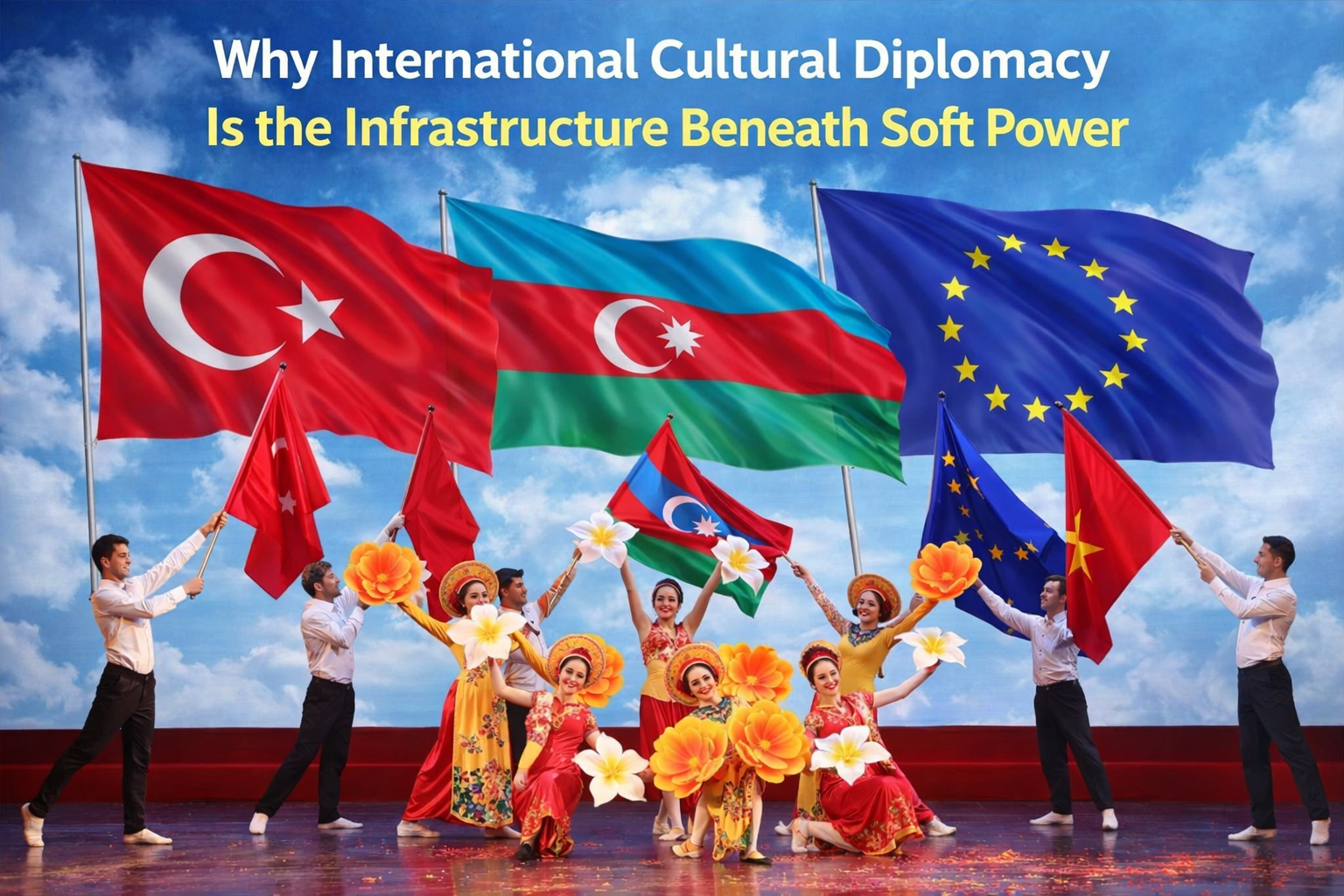
Cultural diplomacy programs build relationships across borders. They are not just a business tool. Their purpose is much more deeper than that. It can deepen the understanding between societies.
Overall, they can support:
Governments, universities, cultural bodies, NGOs, businesses and civil society all take part in it. The link to strategy is clear. Data shows where engagement may be valuable and cultural diplomacy builds the trust that keeps it going.
International cultural diplomacy uses exchange, education, arts, heritage and interpersonal contact to build understanding between societies and institutions. It rarely makes headlines, yet it does quiet and important work.
It helps to:
It stays neutral and strategic, not political. Relationships formed through education and shared projects often outlast transitions in the policy climate.
This is the heart of the approach. It has five important steps.
Concisely speaking: data tells you where to focus and why, while cultural diplomacy shows you how to engage well.
|
Who |
How it helps |
|
Businesses |
Assess expansion through market intelligence, then form culturally informed local partnerships |
|
Investors |
Pair sector and economic data with institutional and cultural context |
|
Governments |
Use evidence to prioritise cooperation, and cultural initiatives to strengthen ties |
|
Development organisations |
Identify needs through data, then design locally suitable programmes |
|
Cultural institutions |
Use audience insight to shape more relevant exchange initiatives |
No market is better or worse by default. What matters is fit, timing and local understanding.
Spotting a short-term opportunity is easy. Sustaining growth is harder. It needs reliable intelligence, local context, strong partnerships and the ability to adapt. The strongest strategies do not treat data and culture as separate issues. They use evidence to understand the landscape and cultural intelligence to move through it with care.
MENA Centra is a strategic advisory and economic diplomacy organisation. We work across Türkiye, the Gulf, North Africa and Europe, with a focus on sustainable development, smart diplomacy and regional economic innovation.
Our work stands on three pillars. Business Innovation supports trade and investment cooperation. MENA Analytics offers economic and geopolitical intelligence. Strategic Partnerships brings the right stakeholders together across sectors and borders.
What makes us different? It knows how to turn policy ideas into real action. Governments, investors, creatives, civil society and multilateral organisations all work with MENA Centra, and each gets regional insight backed by strong partnerships. The aim is simple: clear, future-ready guidance in a region that keeps changing.
It is a growth plan built on reliable data and market intelligence. It guides decisions on where to enter, invest, or partner.
It is the use of culture, education and heritage to build understanding and trust between societies and institutions.
Yes. Data shows where to focus and helps assess opportunities. Cultural understanding shapes how you engage with stakeholders.
It reduces guesswork, highlights opportunities and risks, and lets decisions rest on evidence.
They can compare markets, study demand and competition, and find suitable partners. Local and cultural insight then helps the approach fit each market.