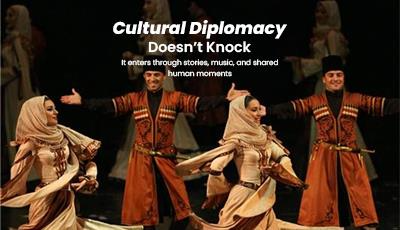
It doesn’t arrive with a convoy, a protocol officer, or a carefully negotiated communiqué. It shows up as a song you can’t stop humming, a TV series that makes you cry in a language you don’t speak, a dish you learn to cook because someone once cooked it for you, a museum you queue for in the heat, a student exchange that turns a stranger into a lifelong friend. And then it does something formal diplomacy often struggles to do, it makes the “other side” feel like humans before they feel like a headline.
That, in the simplest terms, is cultural diplomacy: the use of culture, language, arts, heritage, education, and shared ways of life, to build relationships across borders. Not by pushing policies, but by shaping perception. Not by winning an argument, but by building the conditions where arguments don’t automatically become wars.
And yes, it matters. Not as a soft accessory to “real politics,” but as the invisible architecture beneath it.
Because here is the truth no one likes to say out loud, treaties don’t hold if societies don’t. You can sign a document in a palace, but you cannot force trust into the streets. You cannot command curiosity. You cannot legislate empathy. Those things when they exist are produced through repetition: sustained contact, shared reference points, human familiarity. Culture is the easiest door into that space, and often the only door left open when politics locks itself from the inside.
If you want proof, look at what survives during crises. Embassies can be downgraded. Summits can be cancelled. Flights can stop. But music keeps traveling. Food keeps traveling. Stories keep traveling. Even in the hardest political years, people still learn languages; students still search for scholarships; artists still collaborate; diaspora communities still bridge worlds that politicians insist are incompatible. Cultural diplomacy is what continues working when the “official relationship” is broken.
It’s also a profession very much so, though it rarely looks like one neat job title. In practice, cultural diplomacy is carried by cultural attachés and program managers, yes, but also by festival directors, museum curators, education exchange designers, city networks, creative economy strategists, tourism innovators, and civil-society organizers who know how to create shared spaces without erasing difference. It is a field that lives at the crossroads of international relations, sociology, anthropology, communications, and public policy, but it has its own distinctive craft, translating across worlds without flattening them.
Now, if we zoom in on our region (MENA) the picture gets fascinating, and a little uncomfortable.
Because MENA does not suffer from lack of culture. If anything, it suffers from an overabundance of cultural depth, language, civilization layers, sacred geographies, craftsmanship, poetry, cuisine, music, oral history, heritage so dense it can feel like gravity. The question has never been “Do we have culture?” The question is: have we built the institutional pipelines that turn that culture into sustained relationships, credible partnerships, and long-term influence?
In some places, yes and spectacularly.
In the Gulf, cultural diplomacy has been scaled like infrastructure. Museums, heritage destinations, biennials, global festivals, cultural districts built quickly, funded seriously, designed to position the state as a global platform. This model is often criticized as branding, and sometimes it is. But it would be naive to dismiss it, visibility matters, and the Gulf has mastered the politics of visibility. Culture is not treated as decoration, it is treated as national strategy tied to tourism, investment, global convening power, and economic diversification.
Elsewhere in the Arab world, the strengths look different and. Morocco, Egypt, Jordan, Tunisia, Lebanon, Syria (even under enormous pressure) carry something the Gulf sometimes has to manufacture, cultural credibility that feels lived rather than staged. The cafés, the bookshops, the music scenes, the heritage neighborhoods, the street-level creative energy, these are not projects; they’re ecosystems. When these countries do cultural diplomacy well, it feels like invitation rather than advertisement.
Yet across much of MENA, there’s a recurring weakness, we are still too dependent on events, and not systematic enough about exchange.
Cultural diplomacy becomes powerful when it is boring in the best way, when it produces long-term programs, repeated residencies, co-productions, translation pipelines, joint research, youth mobility, and networks that don’t collapse the minute a minister changes.
And then there is the hardest conflicts reality. In parts of the Levant and beyond, cultural diplomacy is no longer outward-facing influence, it becomes survival. Heritage protection. Memory documentation. Safeguarding identity against erasure. This is still cultural diplomacy in a deep sense, but it is not the kind that shows up on glossy brochures. It’s the kind that keeps a future possible.
Now, when we add Turkey into this regional comparison, the whole landscape shifts, because Turkey is one of the rare actors in our broader neighborhood that combines cultural depth with serious external machinery.
Turkey has something many countries dream of it doesn’t rely only on the state. It has a mass cultural engine, TV dramas, music, cuisine, design, cities whose influence is organic and global. People don’t “consume Turkey” because a campaign told them to; they consume it because it’s compelling. Istanbul alone operates like a diplomatic asset, a world city that exports aesthetics, stories, and aspiration.
And Turkey also has institutions, such as language and cultural centers, education diplomacy, and a wider Turkic cultural network that gives it regional depth beyond the Arab space. This matters because cultural diplomacy is not only what you project, it is the networks you can sustain.
If we stretch the lens further to include Cyprus, on a divided island, cultural diplomacy often becomes heritage and narrative negotiation, who belongs where, whose story is legitimate, whose memory is protected. That is cultural diplomacy at its most politically exposed.
So where does that leave us, Arab world, MENA, Turkey, Cyprus, Turkic region in the big picture?
Here’s the honest conclusion, our region is not short on culture. It is short on designing culture as a long-term relationship system.
We have mastered performance sometimes brilliantly. But we still need more pipelines than podiums. More residencies than receptions. More translation funds than gala dinners. More visas for young creatives than VIP passes for officials. More co-production and shared ownership, less one-way showcasing.
Because the true power of cultural diplomacy is not that it makes you look good. It’s that it makes conflict harder.
Hatred becomes less efficient. Escalation becomes politically costly. And in a world where mediation is weakening and deterrence is fraying, “making escalation harder” is not soft at all, It is strategic.
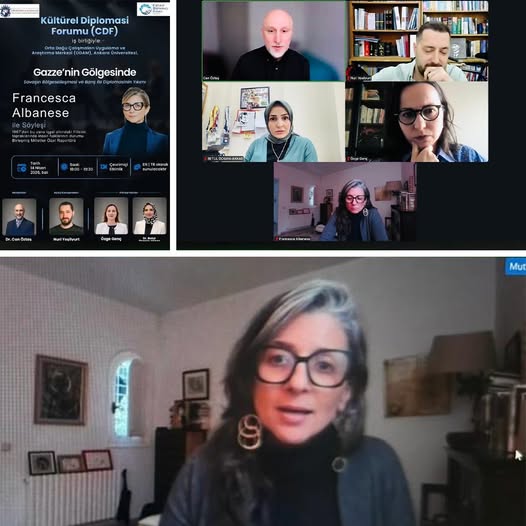
The Cultural Diplomacy Forum (CDF), in partnership with ODAM at Ankara University, hosted a high-level dialogu...
The implicit assumption is simple: The “Republic of Cyprus” is a normal European state facing external instabi...
The outrage from certain commentators, demanding that the 23-year-old Houston Rockets center be punished for “...
The opening line of the anthem of Mülkiye, the prestigious Political Science Faculty of Ankara University, dec...
Diplomacy loves spectacle because spectacle is easy to schedule, easy to photograph, and very easy to mistake...
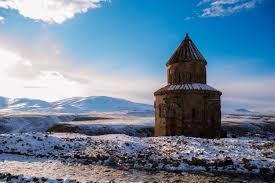
As of early February 2026, there is still no evidence of a fully operational reopening of the land border betw...
Cultural diplomacy is no longer the “soft” edge of foreign policy. In a moment defined by shattered norms, wea...
It doesn’t arrive with a convoy, a protocol officer, or a carefully negotiated communiqué. It shows up as a so...
MENA Centra is at the forefront of regional change. We combine strategic vision, policy acumen, and on-the-ground experience in a way that fills gaps between vision and delivery. Collaborations and local intelligence are delivered by us to drive scalable growth and sustained impact.
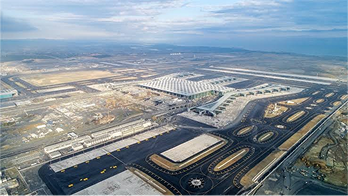
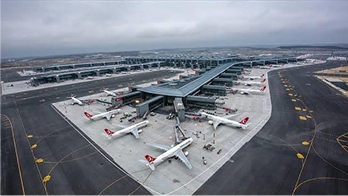
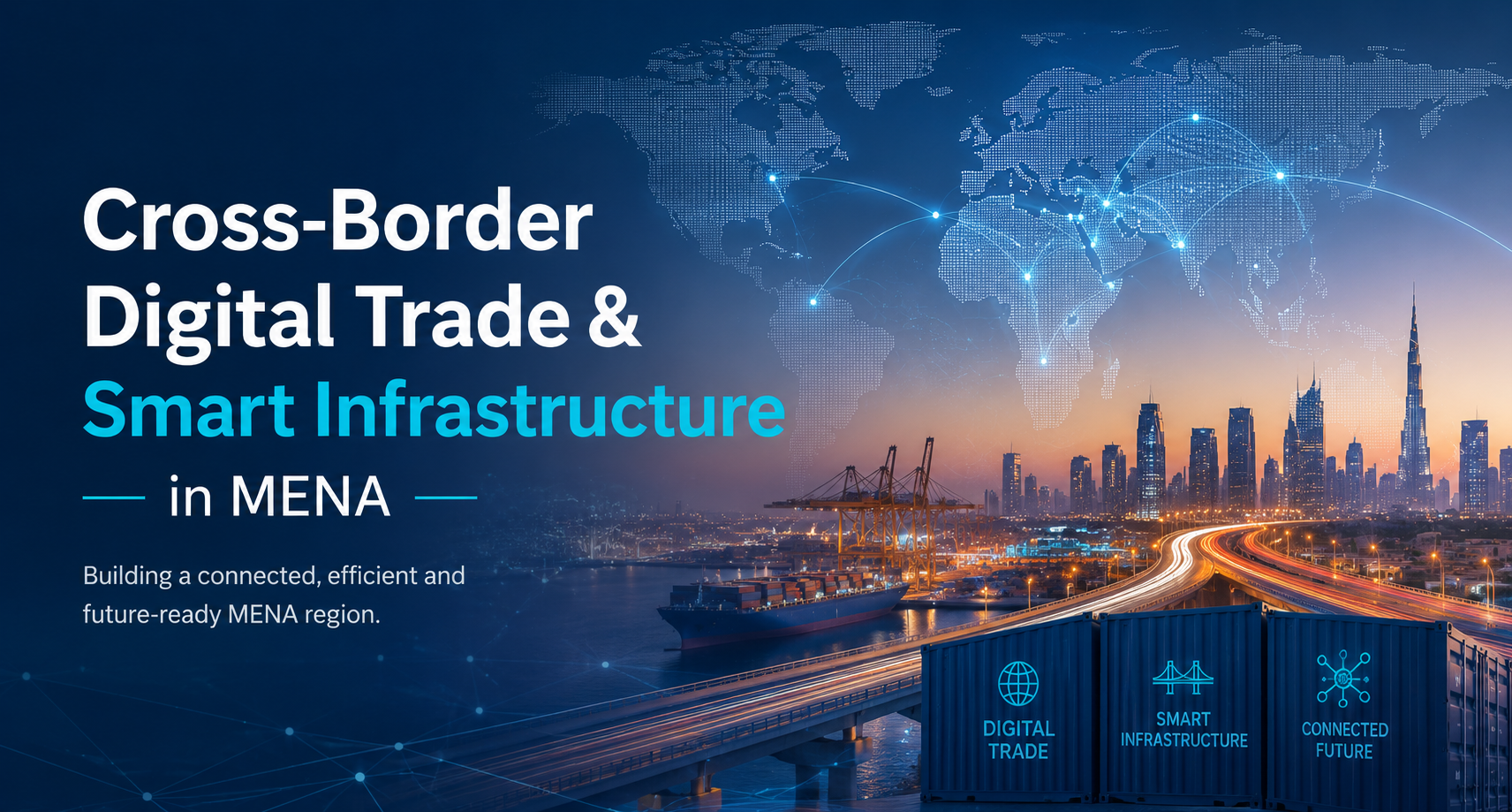
The MENA region is currently experiencing a period of transformation, which is largely powered by advancements in techno...
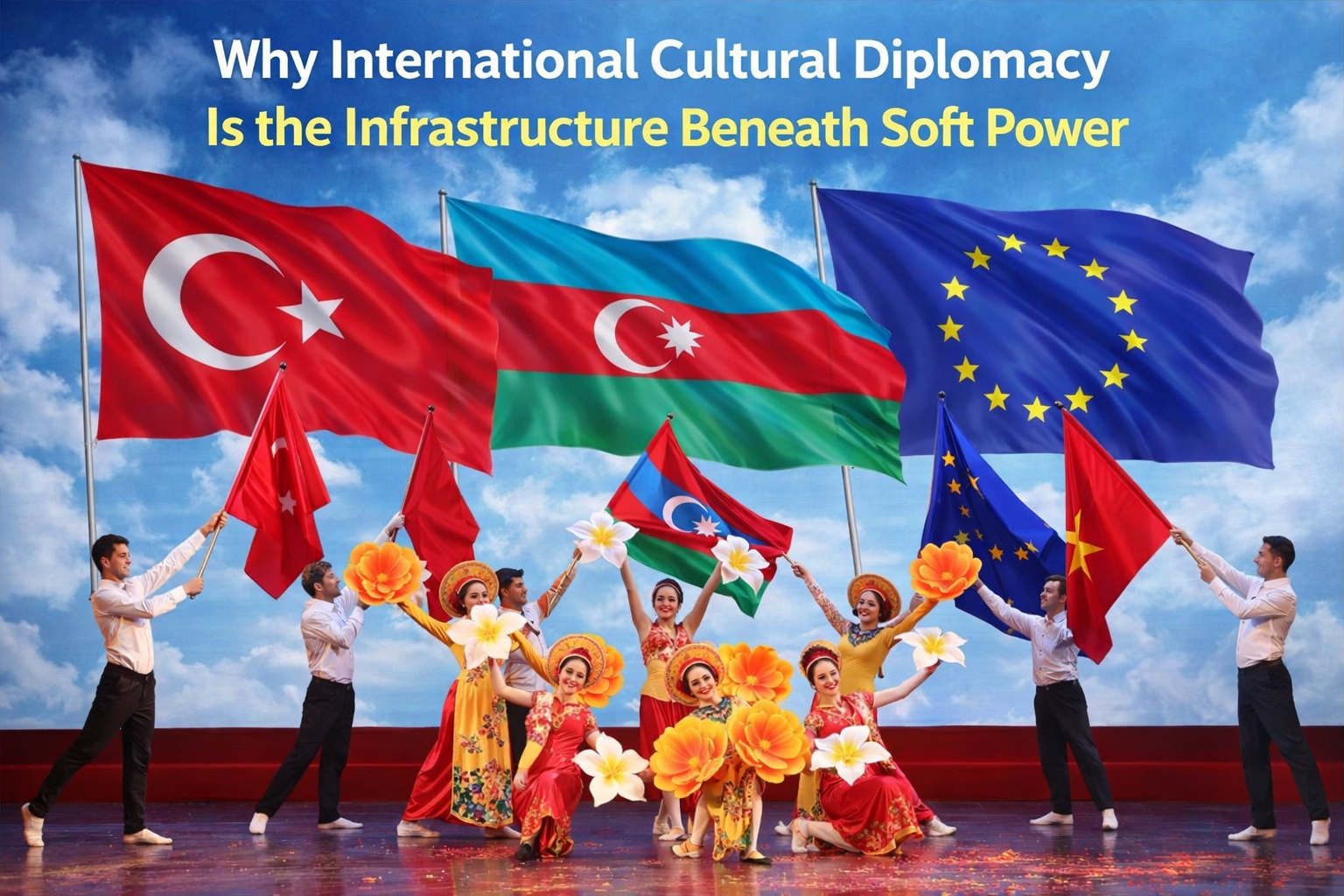
Nobody schedules a meeting to fall in love with a country. It happens through a television series watched at midnight, a...
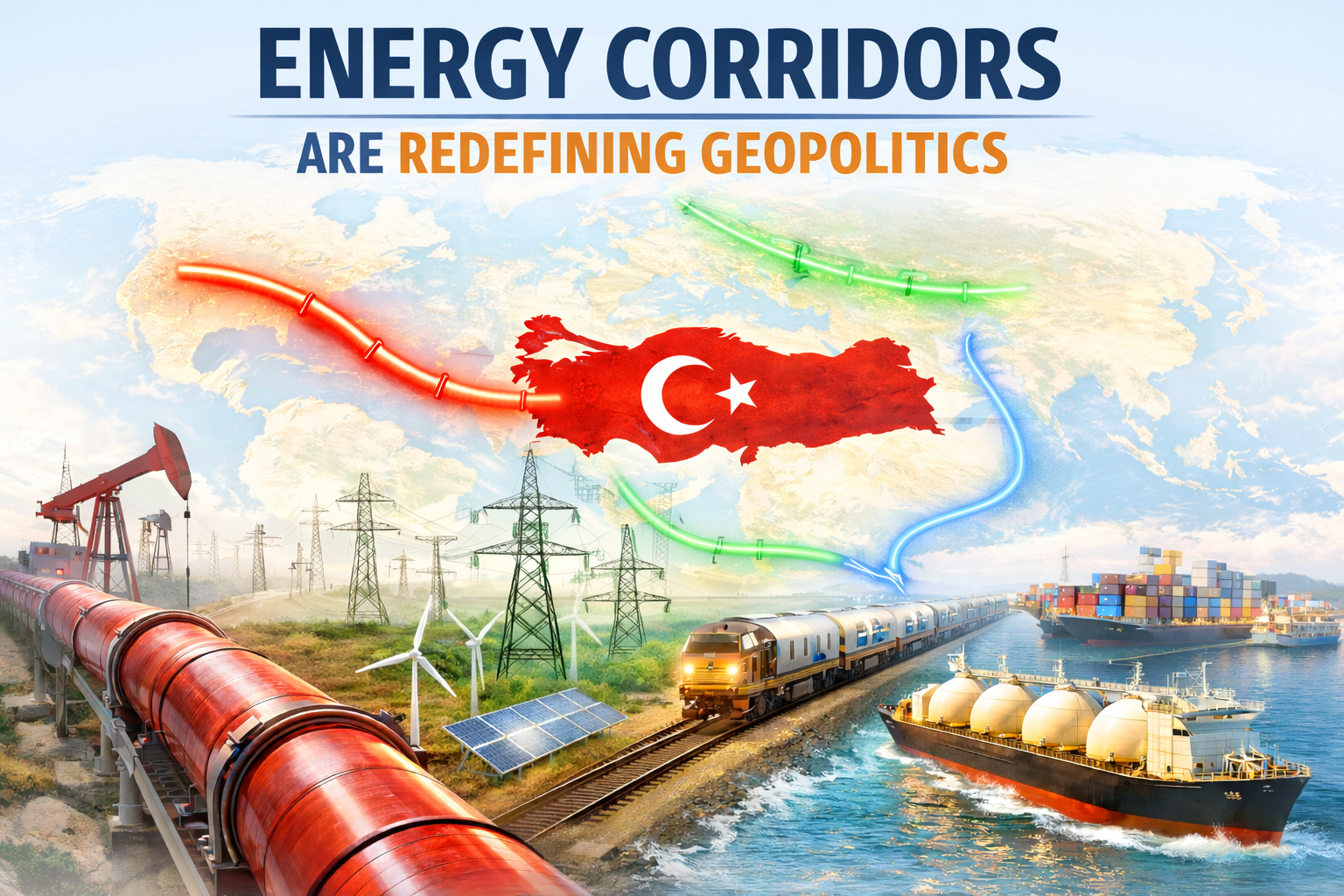
MENA Centra Trade Corridors Watch – East–West routes in flux
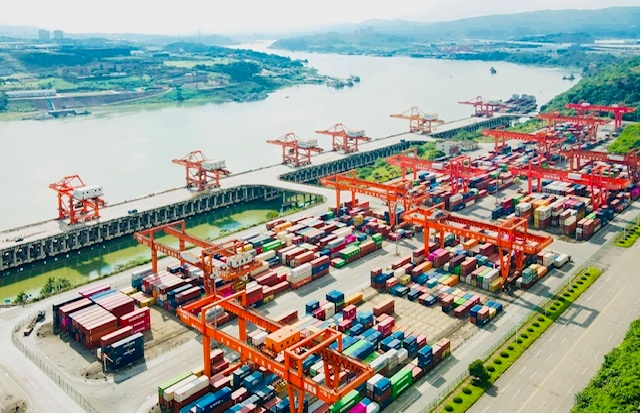
MENA Centra Trade Corridors Watch – East–West routes in flux
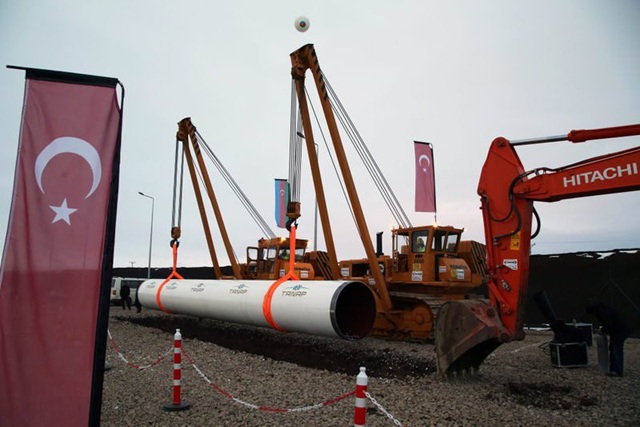
Turkey’s hub gambit under stress: nuclear bets, gas hedging and contested corridors
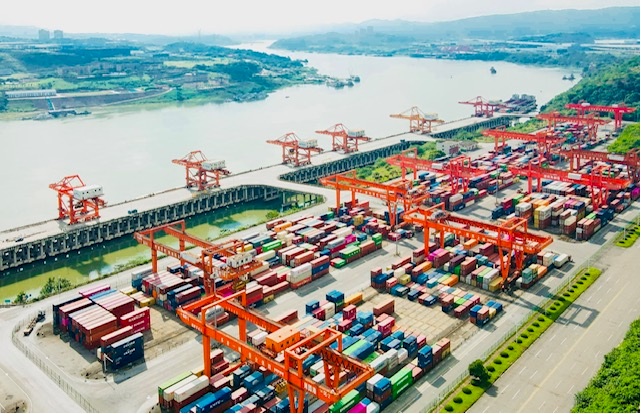
MENA Centra Trade Corridors Watch – East–West routes in flux
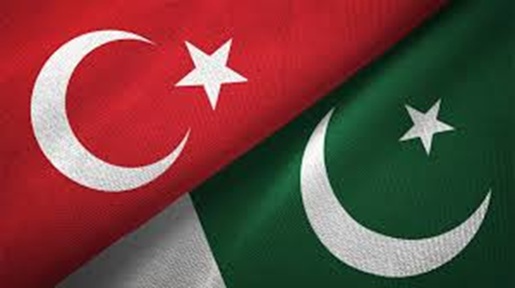
Türkiye’s outward push: energy diplomacy from the Eastern Med to Pakistan
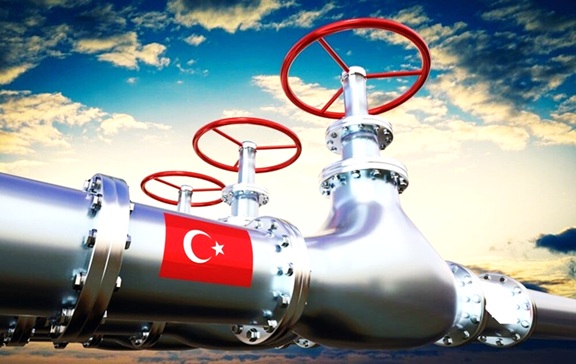
Turkey’s next move: from transit state to energy–industrial hub