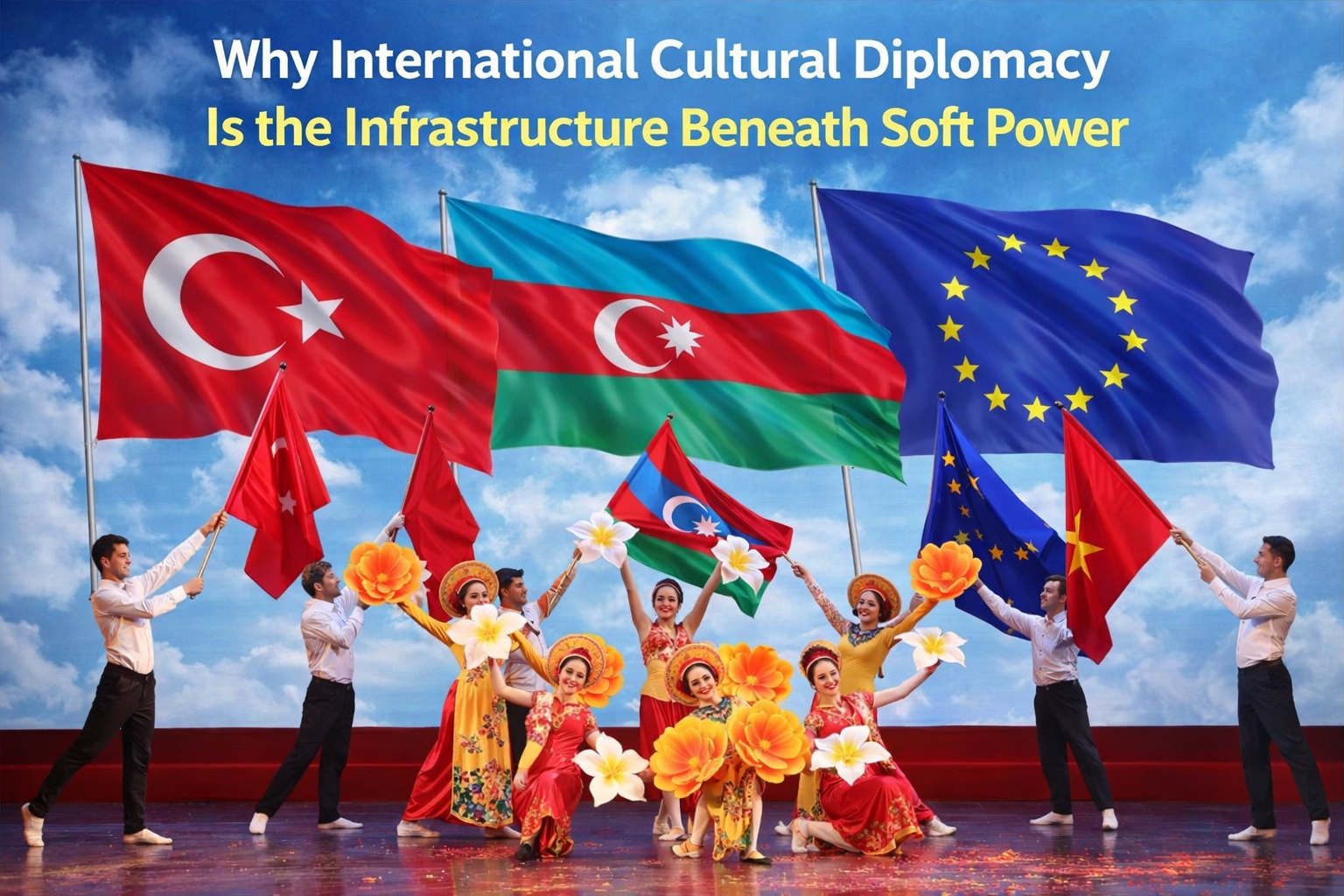
Cultural diplomacy is no longer the “soft” edge of foreign policy. In a moment defined by shattered norms, weakened mediation, and politics driven by escalation rather than compromise, it has become one of the few tools still capable of producing something scarce, social permission for cooperation.
What makes cultural diplomacy strategically valuable now is its ability to operate when statecraft stalls. Traditional diplomacy is often elite-to-elite and hostage to summit calendars. Cultural diplomacy is people-to-people, students, artists, writers, entrepreneurs, museums, cities, and civil society. When relations freeze at the top, or when politics turns dialogue into a liability, cultural channels can keep moving underneath, preserving contact, keeping narratives from collapsing into total hostility, and sometimes remaining the only line still open.
It also shapes narratives, the currency of soft power. In global politics, reputation is not superficial; it is strategic. Being perceived as humane, modern, ethical, creative, or trustworthy changes how others treat you, invest in you, host you, partner with you, and defend you. That is why serious actors invest in cultural institutions and global cultural networks, from UNESCO’s legitimacy and heritage frameworks to national cultural institutes.
In fragile and divided contexts, cultural diplomacy becomes more than influence, it becomes prevention. Shared heritage projects, joint exhibitions, language programs, and co-productions allow engagement without demanding political surrender. They create non-threatening spaces where contact returns, narratives soften, and conflict becomes harder to escalate.
And increasingly, cultural diplomacy is economic. It feeds tourism, creative industries, education exchanges, city branding, and even trade. In many countries, it now sits inside the same strategic toolbox as economic diplomacy and development policy, because culture is one of the fastest ways to generate jobs, visibility, and long-term partnerships.
Is it a field or a profession? It’s both. Academically, it sits where international relations meets sociology, anthropology, communications, cultural studies, and development, often taught under public diplomacy or global studies. Professionally, it’s a real practice. cultural diplomats, attachés, cultural institute managers, festival and museum leaders, exchange designers, advisors working across culture, peacebuilding, and development. In practice, the field is defined less by titles and more by skills, cross-cultural literacy, political sensitivity, narrative framing, partnership-building, and an understanding of power and identity.
The most important shift today is that cultural diplomacy is no longer only state-led or symbolic. It’s becoming network-based (cities, NGOs, creatives, diasporas), issue-driven (climate, migration, justice, memory), and economically integrated (creative economies, regenerative tourism, regeneration). In other words, it is moving from “soft” to strategic infrastructure for coexistence.
If you want to see what “best practice” looks like, look at the countries that built durable institutions and exchange pipelines not just campaigns. The UK’s British Council is the classic long-term cultural relations model. Germany’s Goethe-Institut and DAAD represent a high-credibility “arm’s length” approach that prioritizes exchange and research depth. France (Institut français/Alliance Française) and Spain (Instituto Cervantes) show how language networks become global influence over decades.
Japan (Japan Foundation) and South Korea (Korea Foundation and cultural centers) demonstrate the modern blend of trust, cultural industries, and strategic branding. The United States remains the powerhouse of scholarship and exchange diplomacy through programs like Fulbright. And Türkiye often win in the MENA on credibility, values-based engagement, and institutional and development-linked cultural cooperation.
At the system level, the most influential platforms are the ones that create sustained networks rather than one-off events, EUNIC’s model of European cultural institutes working jointly through local clusters; Culture Moves Europe as a large-scale mobility engine; UNESCO-linked cooperation as a legitimacy anchor in sensitive contexts; and the “gold standard” national institutes that set the professional benchmark.
Performance, in the end, is measurable, if you stop measuring only visibility. Serious evaluation looks at six indicators: durable institutions, global reach, credibility and reciprocity, cultural infrastructure at home, mobility pathways, and outcomes that last (networks, trust, economic spillovers). The countries that lead are the ones that treat culture not as decoration, but as long-term relationship policy.
That’s the core point, cultural diplomacy isn’t what you show, It’s what you sustain.
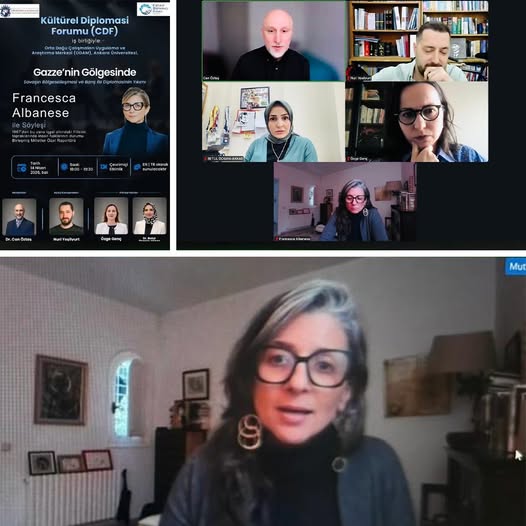
The Cultural Diplomacy Forum (CDF), in partnership with ODAM at Ankara University, hosted a high-level dialogu...
The implicit assumption is simple: The “Republic of Cyprus” is a normal European state facing external instabi...
The outrage from certain commentators, demanding that the 23-year-old Houston Rockets center be punished for “...
The opening line of the anthem of Mülkiye, the prestigious Political Science Faculty of Ankara University, dec...
Diplomacy loves spectacle because spectacle is easy to schedule, easy to photograph, and very easy to mistake...
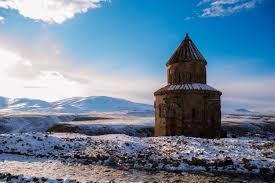
As of early February 2026, there is still no evidence of a fully operational reopening of the land border betw...
Cultural diplomacy is no longer the “soft” edge of foreign policy. In a moment defined by shattered norms, wea...
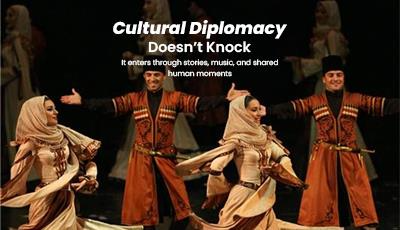
It doesn’t arrive with a convoy, a protocol officer, or a carefully negotiated communiqué. It shows up as a so...
MENA Centra is at the forefront of regional change. We combine strategic vision, policy acumen, and on-the-ground experience in a way that fills gaps between vision and delivery. Collaborations and local intelligence are delivered by us to drive scalable growth and sustained impact.
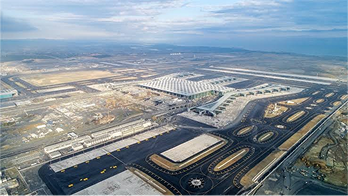
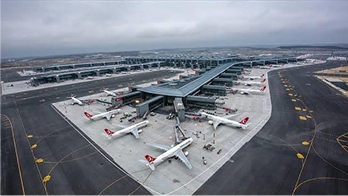
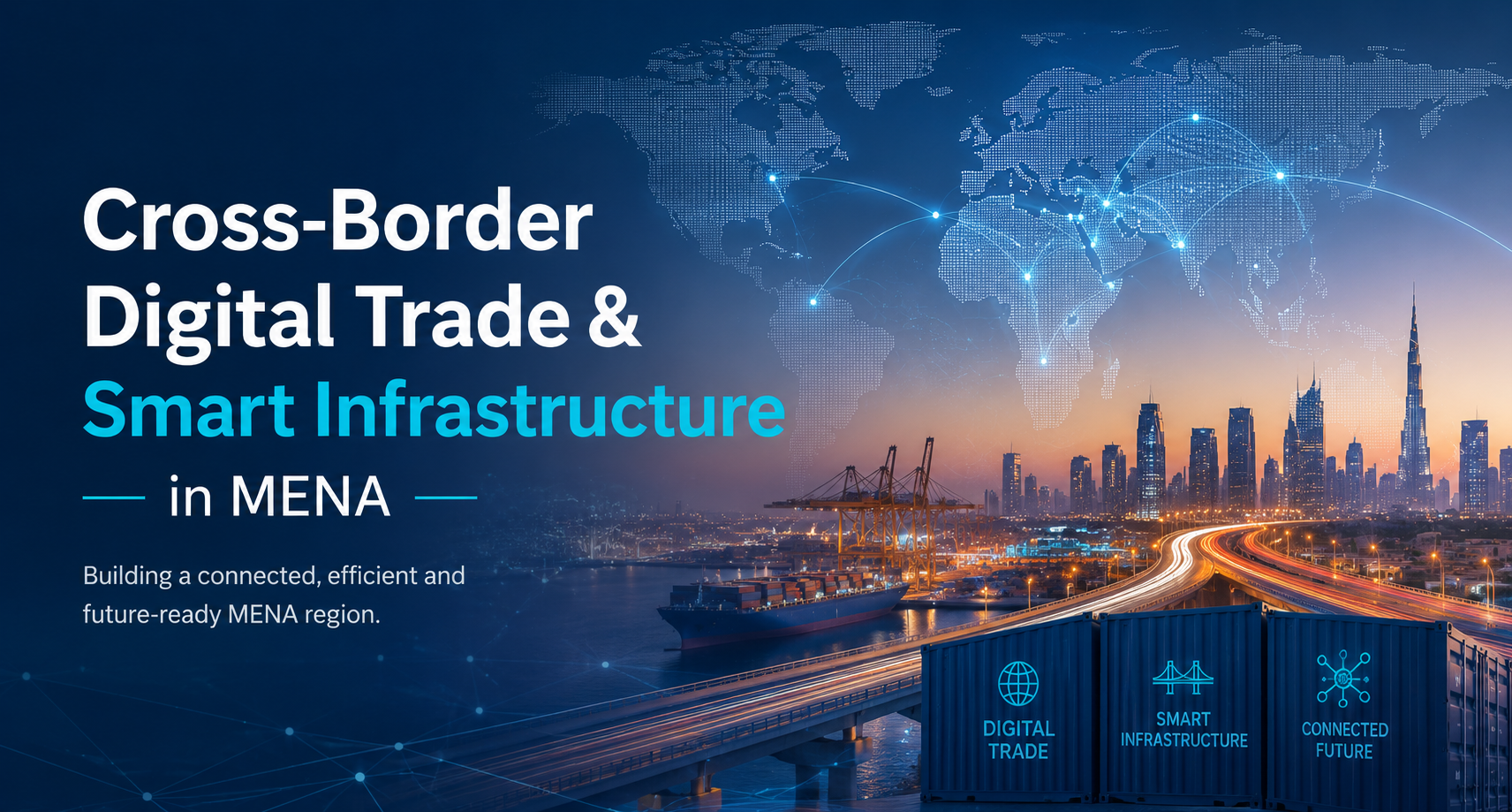
The MENA region is currently experiencing a period of transformation, which is largely powered by advancements in techno...
Nobody schedules a meeting to fall in love with a country. It happens through a television series watched at midnight, a...
MENA Centra Trade Corridors Watch – East–West routes in flux
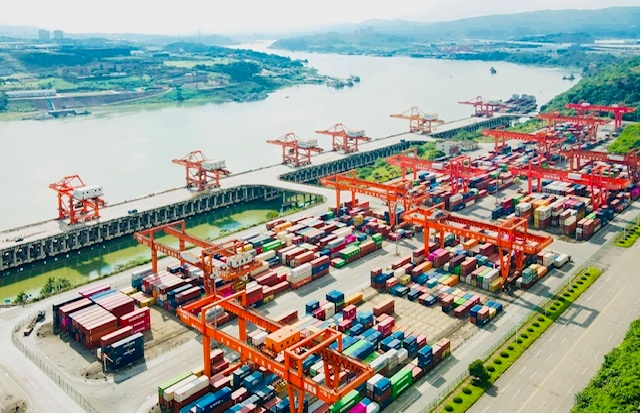
MENA Centra Trade Corridors Watch – East–West routes in flux
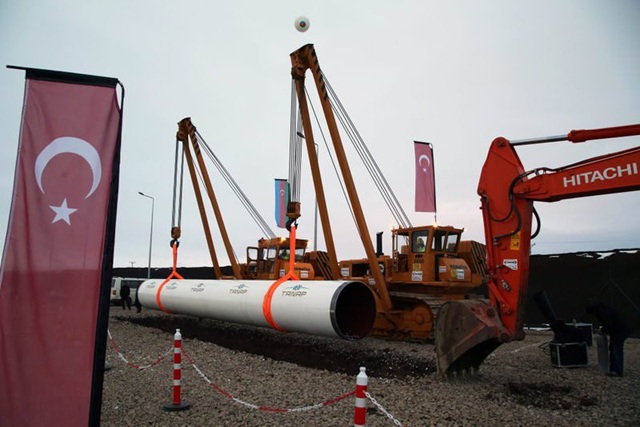
Turkey’s hub gambit under stress: nuclear bets, gas hedging and contested corridors
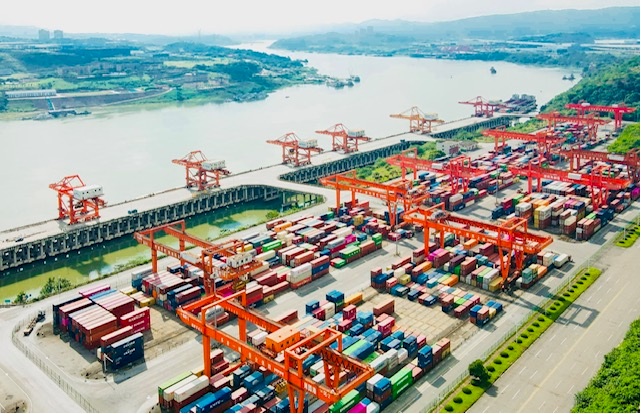
MENA Centra Trade Corridors Watch – East–West routes in flux
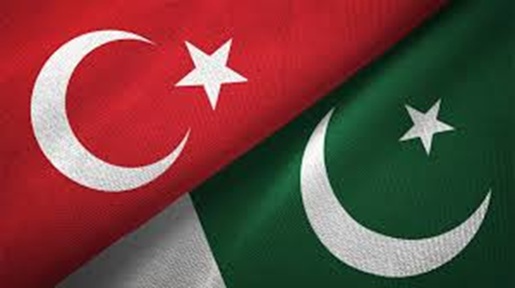
Türkiye’s outward push: energy diplomacy from the Eastern Med to Pakistan
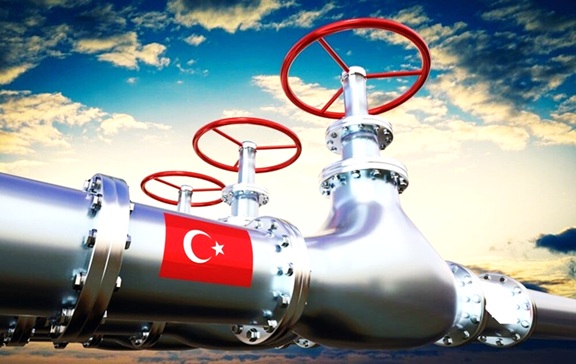
Turkey’s next move: from transit state to energy–industrial hub