
Ramazan, in this spectacle, becomes the month when diplomats discover how many dinners can be fitted into a single week. Let me be fair, some iftar invitations are offered in friendship, community, and with the principle of sharing what you have. I’m talking about the other kind, recurring calendar events with excessive food, ritual and repeated remarks, and the sense that everyone is attending because everyone else is attending.
And yes, dinner has a particular meaning in a diplomat’s life. It’s where you host the colleague who may be your partner on Monday and your adversary on Tuesday. It’s semi-formal by design, the sentences are longer and can sometimes even be lyrical, and the disagreements wear a silk glove. That’s why an invitation that is also an iftar fast-breaking is hard to refuse, especially when hosted by fellow diplomats. But when iftar is absorbed into the diplomatic dinner ritual, then you enter the realm of calorie diplomacy. Identical menus, identical speeches, identical photos, and eventually identical regret of having eaten excessively dominates the week.
Ramadan is an education in unseen discipline and social attention, so if you want to do cultural diplomacy with integrity during this month, the goal is not to host the most, or to attend each and every one.
In Turkish tradition, Ramazan is never just a meal. In late Ottoman Istanbul, places like Direklerarası became famous precisely as Ramazan hubs, crowded after prayers with performance, talk, laughter, and the kind of public sociability modern cities keep trying to rebrand as “festivals.”
A better Ramazan calendar could involve fewer dinners, and more events such as the following, as well as quiet giving. Consider this article, then, a survival guide: a way to practise diplomacy without turning Ramazan into a cardio-free buffet marathon.
Mahya is Ottoman style public communication. Messages written in light are hung between minarets. It is also, inconveniently for modern life, the kind of “content” that cannot be scrolled past.
The core idea is simple, the messages are sent using light, a city speaking to itself through atmosphere. If you must host something during Ramazan, host meaning and message rather than another seating plan. Use light as the medium for your cultural diplomacy, you can even create your own mahya-in-progress. There are drones or lasers to prepare your message. Remember, light travels faster and further than invitations. It also leaves fewer leftovers.
Karagöz and Hacivat, the shadow theater, is a timeless satirical take on life. The puppets act out stories of vanity, pretence, and the eternal confidence of men who think they are in charge of reality. As it is cited in the introduction of every Karagöz play, the curtain is the mirror of truth on which the stories are told. Besides Karagöz, there is also meddah (storytellers) and ortaoyunu (improvisational theater) that turn streets and coffeehouses into stages and put a wide smile on faces.
The diplomatic translation of satire is not complicated. Host a short performance on your embassy premises. You would support art forms that are quietly vanishing, you diversify the cultural life of your city, and you avoid another dinner where everyone repeats “our friendship is strong”. Have no doubt: your guests will remember laughter. Especially when it contains truth.
There is a pre-iftar hour when cities turn into slow-moving choreography or bad traffic. The narrow streets are filled with queues, errands, the soft panic of time, and the sweet smell of warm Ramazan pidesi announcing that the day is about to break.
So do the obvious thing, schedule a Ramazan market walk-visit. Call it “public diplomacy through daily life” if you need to justify it in a memo. In reality, it covers your daily 10,000 steps, cultural literacy, and the rare privilege of seeing a society reorganise itself around restraint. Also, walking is free, which should appeal to finance departments in every ministry of foreign affairs.
If you want to honor the month, do something useful quietly. Provide food support, school supplies, and help for those under strain. Partner with a credible local initiative. Let humility be your guiding principle.
You can even give a modern meaning to old Ottoman etiquette: diş kirası, the post-iftar parting gift offered as gratitude for accepting hospitality. The point was not extravagance. Modern diş kirası does not need to be a pouch of coins. It can be a discreet act of solidarity, done without a press release.
Ramazan is the month when society slows down on purpose. It teaches limits. Modern diplomacy in its digital format, is an anxious search for visibility. So don’t fall into the trap of turning Ramazan into a weekly dinner schedule. Resist that instinct. Borrow from the Turkish traditions for turning evenings into public culture, not merely private consumption.
Give Ramazan what it deserves, meaning, humility, and just enough humor to keep the whole thing honest.
*Can Öztaş, LL.M., Ph.D, is a retired Turkish diplomat and jurist who writes on international law, Turkish foreign policy, and the politics of narratives. He teaches Turkish foreign policy and international law at Bilkent University in Ankara and contributes regularly to Turkey in Depth and the Critical Legal Thinking platform.
This article was originally published in Turkey in Depth.
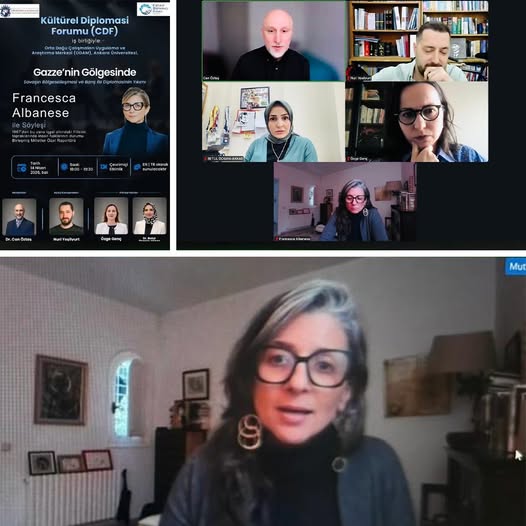



The Cultural Diplomacy Forum (CDF), in partnership with ODAM at Ankara University, hosted a high-level dialogu...
The implicit assumption is simple: The “Republic of Cyprus” is a normal European state facing external instabi...
The outrage from certain commentators, demanding that the 23-year-old Houston Rockets center be punished for “...
The opening line of the anthem of Mülkiye, the prestigious Political Science Faculty of Ankara University, dec...
Diplomacy loves spectacle because spectacle is easy to schedule, easy to photograph, and very easy to mistake...
As of early February 2026, there is still no evidence of a fully operational reopening of the land border betw...
Cultural diplomacy is no longer the “soft” edge of foreign policy. In a moment defined by shattered norms, wea...
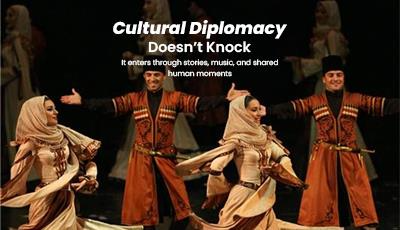
It doesn’t arrive with a convoy, a protocol officer, or a carefully negotiated communiqué. It shows up as a so...
MENA Centra is at the forefront of regional change. We combine strategic vision, policy acumen, and on-the-ground experience in a way that fills gaps between vision and delivery. Collaborations and local intelligence are delivered by us to drive scalable growth and sustained impact.


The MENA region is currently experiencing a period of transformation, which is largely powered by advancements in techno...
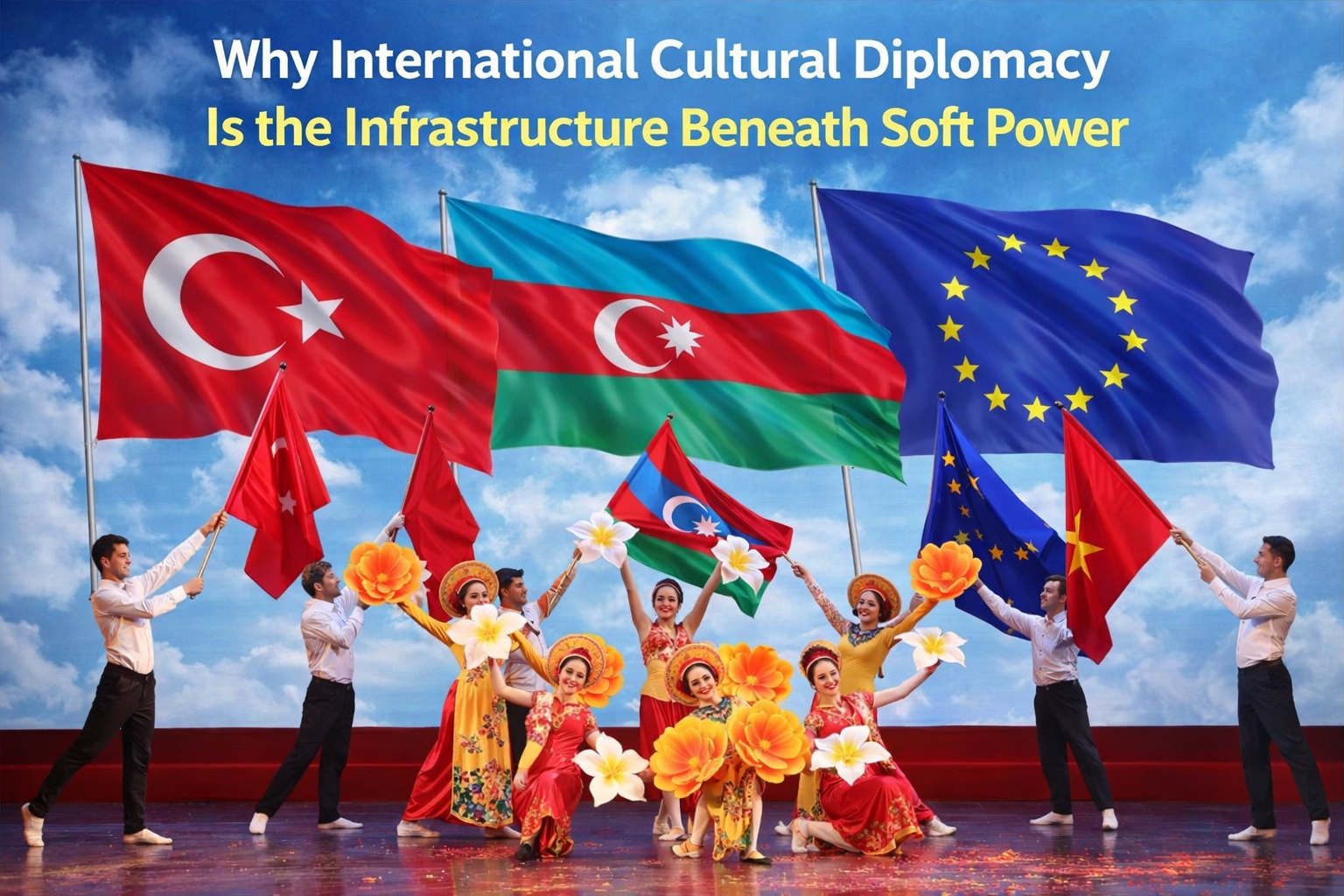
Nobody schedules a meeting to fall in love with a country. It happens through a television series watched at midnight, a...
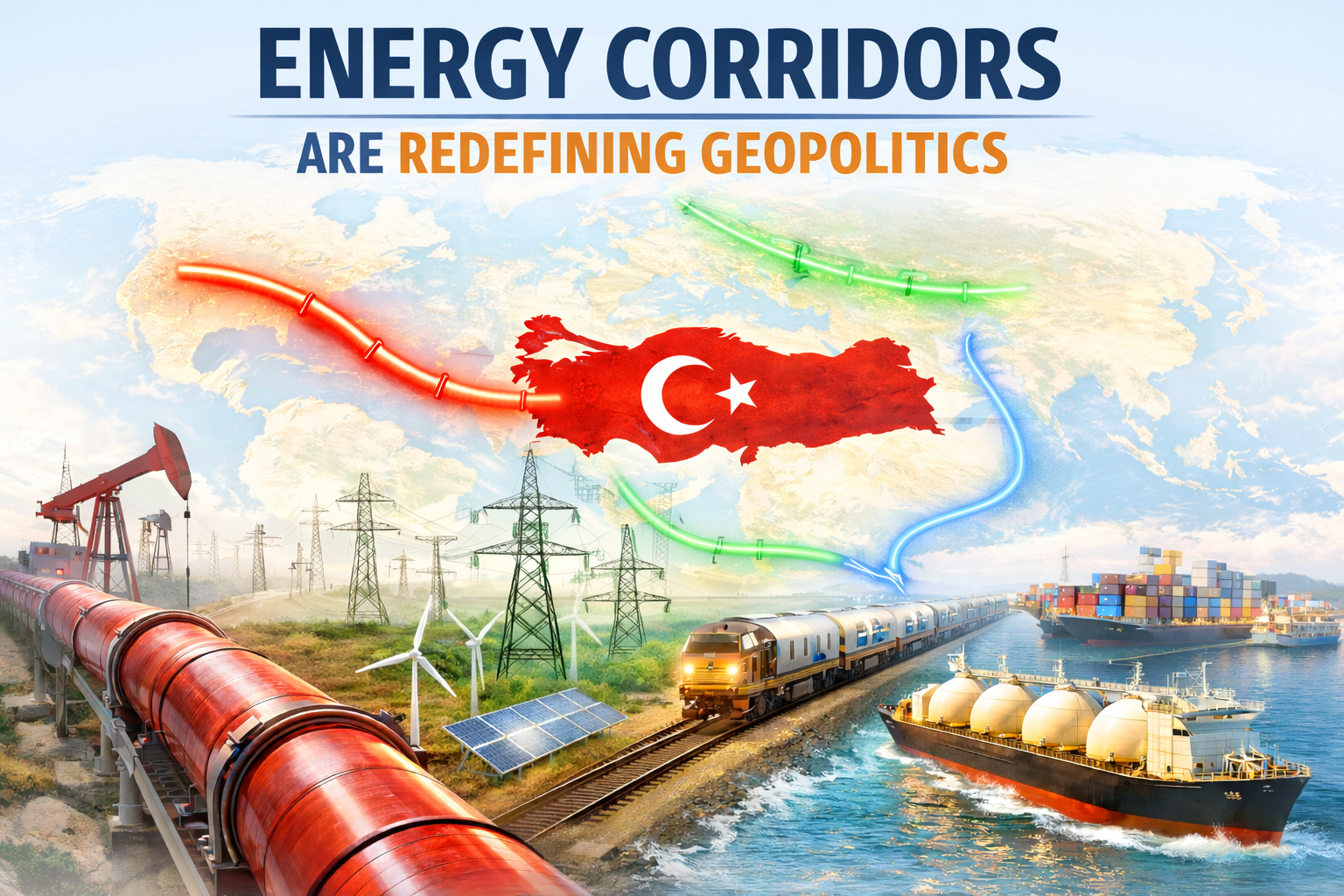
MENA Centra Trade Corridors Watch – East–West routes in flux
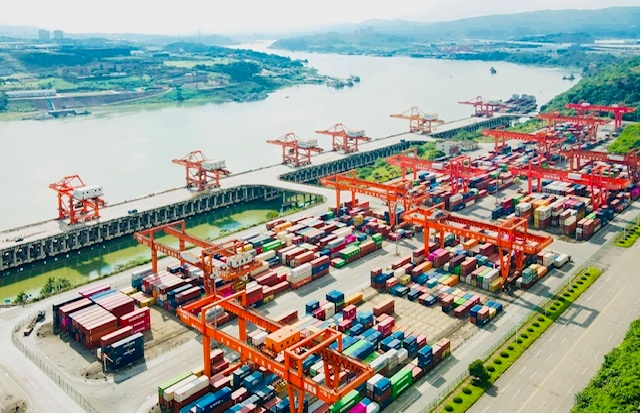
MENA Centra Trade Corridors Watch – East–West routes in flux
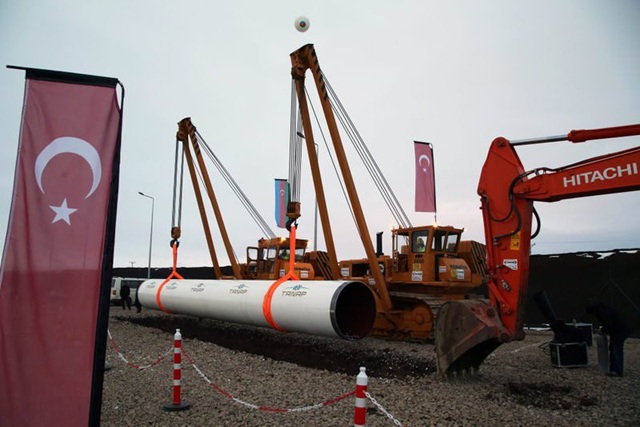
Turkey’s hub gambit under stress: nuclear bets, gas hedging and contested corridors
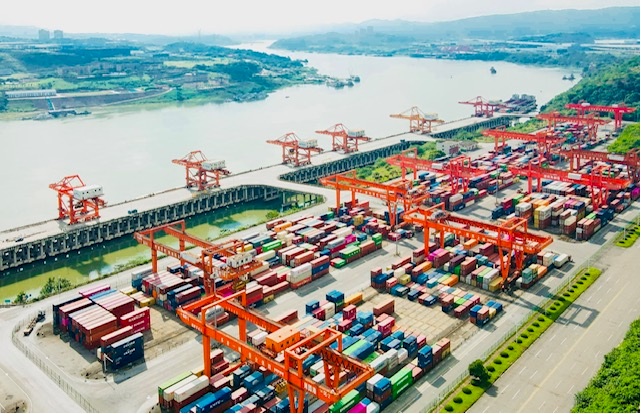
MENA Centra Trade Corridors Watch – East–West routes in flux
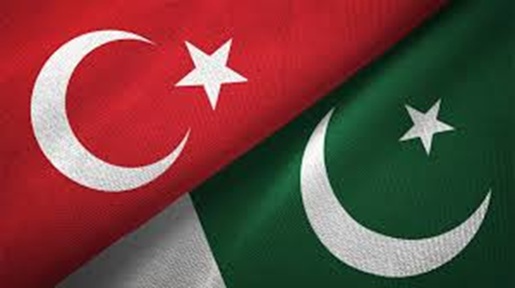
Türkiye’s outward push: energy diplomacy from the Eastern Med to Pakistan
Turkey’s next move: from transit state to energy–industrial hub