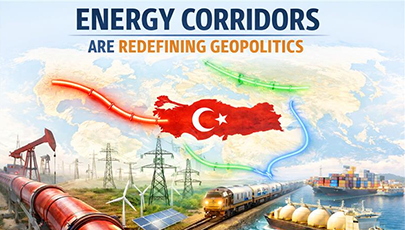
For decades, energy politics in the Middle East was understood primarily through production, who controls oil fields, gas reserves, and export capacity. Today, that logic is no longer sufficient. What increasingly shapes power, influence, and resilience across the region is not only what is produced, but how energy moves.
Energy corridors, pipelines, electricity interconnections, LNG routes, and emerging green energy pathways, are becoming the quiet architecture of geopolitics in the Middle East and North Africa. They determine alliances, expose vulnerabilities, and increasingly define who is central and who is bypassed in the regional order.
From Energy Abundance to Energy Connectivity
The Middle East has never lacked energy resources. What it has often lacked is stable, cooperative connectivity. In a fragmented region marked by conflict, sanctions, and competing blocs, energy corridors have become strategic instruments rather than technical infrastructure.
Corridors link producers to markets, but they also link states to one another politically, economically, and diplomatically. A pipeline is not just steel in the ground, it is a long-term political commitment. An electricity interconnector implies regulatory alignment, trust, and sustained coordination. LNG routes depend on secure maritime passages and geopolitical stability far beyond national borders. As global energy systems shift, connectivity matters as much as capacity.
Corridors as Geopolitical Leverage
Energy corridors increasingly function as tools of leverage. States positioned as transit hubs gain influence disproportionate to their production levels. Others, once central, risk marginalization when new routes bypass them.
This dynamic has reshaped regional calculations. Decisions about routing, interconnection, and investment are no longer neutral or purely economic, they are strategic choices with long-term consequences. Governments anchor partnerships, reinforce spheres of influence, or quietly redraw geopolitical maps, however, in a region where political agreements are often fragile, infrastructure sometimes speaks louder than diplomacy.
Fragmentation, Sanctions, and the Rise of Bypass Politics
One of the defining features of contemporary Middle Eastern geopolitics is fragmentation. Sanctions regimes, unresolved conflicts, and diplomatic breakdowns have pushed states to seek alternative routes, corridors that minimize exposure to political risk.
This has led to what can be described as bypass politics, the creation of energy and trade routes designed explicitly to avoid instability, adversaries, or regulatory uncertainty. While these corridors can enhance short-term resilience, they also deepen structural fragmentation, reinforcing exclusion rather than integration.
The result is a region crisscrossed by parallel systems, some connected to global markets, others increasingly isolated.
Energy Diplomacy in an Age of Uncertainty
Energy diplomacy today is less about grand summits and more about technical negotiations, grid codes, transit fees, maritime security, financing structures, and regulatory compatibility. These details shape whether cooperation is viable or collapses under political pressure.
Corridor diplomacy is often incremental and quiet, but its impact is durable. Once built, infrastructure locks in relationships for decades. This makes corridors both stabilizing and constraining, they can encourage cooperation, but they can also entrench asymmetries and dependencies. In an era of global uncertainty, states are recalibrating their energy diplomacy to prioritize flexibility, redundancy, and optionality.
Turkey’s experience captures this shift clearly. Over the past decade, Ankara has worked to turn geography into leverage, positioning itself as a key bridge between producers and consumers through pipelines, LNG capacity, storage, and growing grid interconnection ambitions. Yet today’s environment also shows the limits of “transit power”, Turkey’s corridor role depends not only on infrastructure, but on regulatory credibility, financing access, and the ability to balance relationships across competing blocs. As regional shocks, sanctions, and supply disruptions ripple through nearby theaters, Turkey is increasingly pushed toward a more flexible energy diplomacy, diversifying sources, expanding redundancy, and treating connectivity not as a single route, but as a portfolio of options that can survive political turbulence.
The Emerging Role of Green and Power Corridors
As the global energy transition accelerates, new forms of corridors are emerging. Electricity interconnections, renewable export routes, and potential hydrogen corridors are reshaping how the region imagines its future role.
These corridors differ fundamentally from traditional oil and gas routes. They require deeper institutional cooperation, shared standards, and long-term policy alignment. They also offer an opportunity to move from extractive geopolitics toward connectivity-based resilience.
Whether this opportunity leads to greater regional cooperation or simply reproduces old hierarchies in new forms remains an open question.
Corridors as Systems, Not Projects
One of the most common analytical mistakes is treating energy corridors as isolated projects. In reality, they are systems, economic, political, and diplomatic architectures that shape regional behavior.
Understanding corridors requires moving beyond announcements and maps to examine governance, risk distribution, financing, and political sustainability. Who controls the switches? Who absorbs disruption? Who sets the rules?
These questions matter as much as capacity figures or export volumes.
MENA Centra’s Perspective
At MENA Centra, energy corridors are approached not as infrastructure alone, but as strategic systems that reveal how power, trust, and connectivity are being reorganized across the region.
In a Middle East navigating a post-order moment, corridors are not simply pathways for energy. They are pathways for influence, alignment, and future stability or instability.

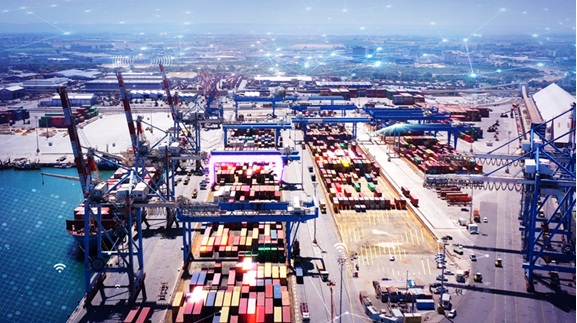
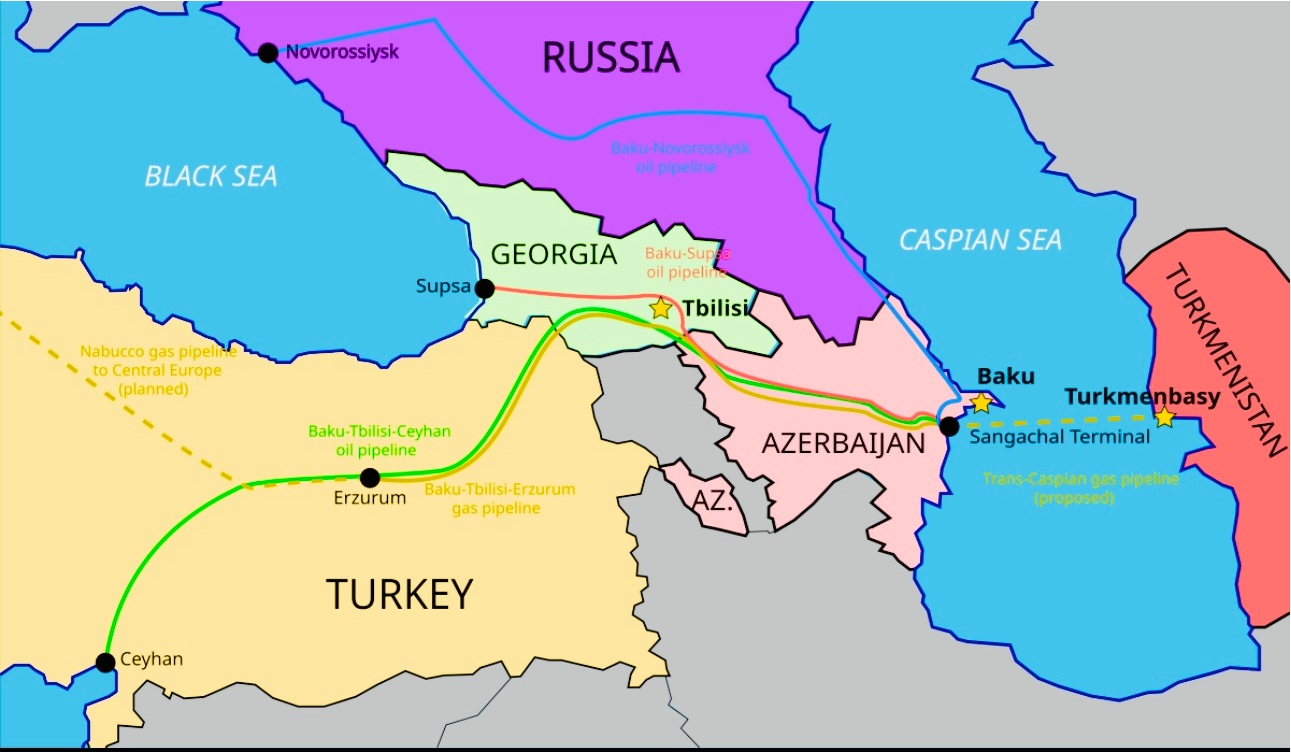
For decades, energy politics in the Middle East was understood primarily through production, who controls oil...
Energy connectivity is quietly transforming the political and economic landscape of the Middle East and North...
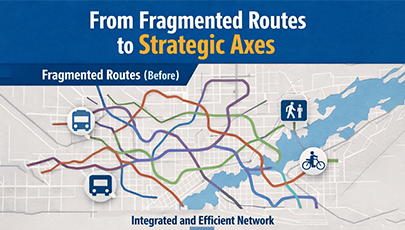
Historically, energy flows in the region followed fragmented paths, Gulf producers exporting outward, Levant s...
With a focus on enhancing regional value chains, this program enhances domestic industries across the agro-pro...
This program reorganizes historic trade corridors into digital-enabled supply chains. With the incorporation o...
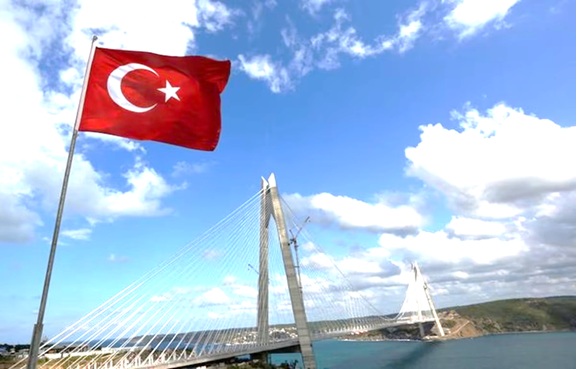
The Türkiye–MENA Industrial Bridge is a strategic program that seeks to develop strong industrial alliances in...
MENA Centra is at the forefront of regional change. We combine strategic vision, policy acumen, and on-the-ground experience in a way that fills gaps between vision and delivery. Collaborations and local intelligence are delivered by us to drive scalable growth and sustained impact.
Open any investment briefing on Türkiye and the first slide is almost always about risk. Currency swings, inflation char...

Most international business partnerships don't make it past the three-year mark. Cultural misalignment, mismatched expec...
Global businesses need more than just access to different markets. They want trusted relationships. They need local unde...
Every year, governments and institutions invest heavily in international cultural diplomacy, funding exchange programs,...
Global trade is growing. And the traditional systems designed to manage it are now facing trouble. Every year more goods...
The Middle East and North Africa (MENA) region has long been synonymous with oil and gas production. However, as the wor...
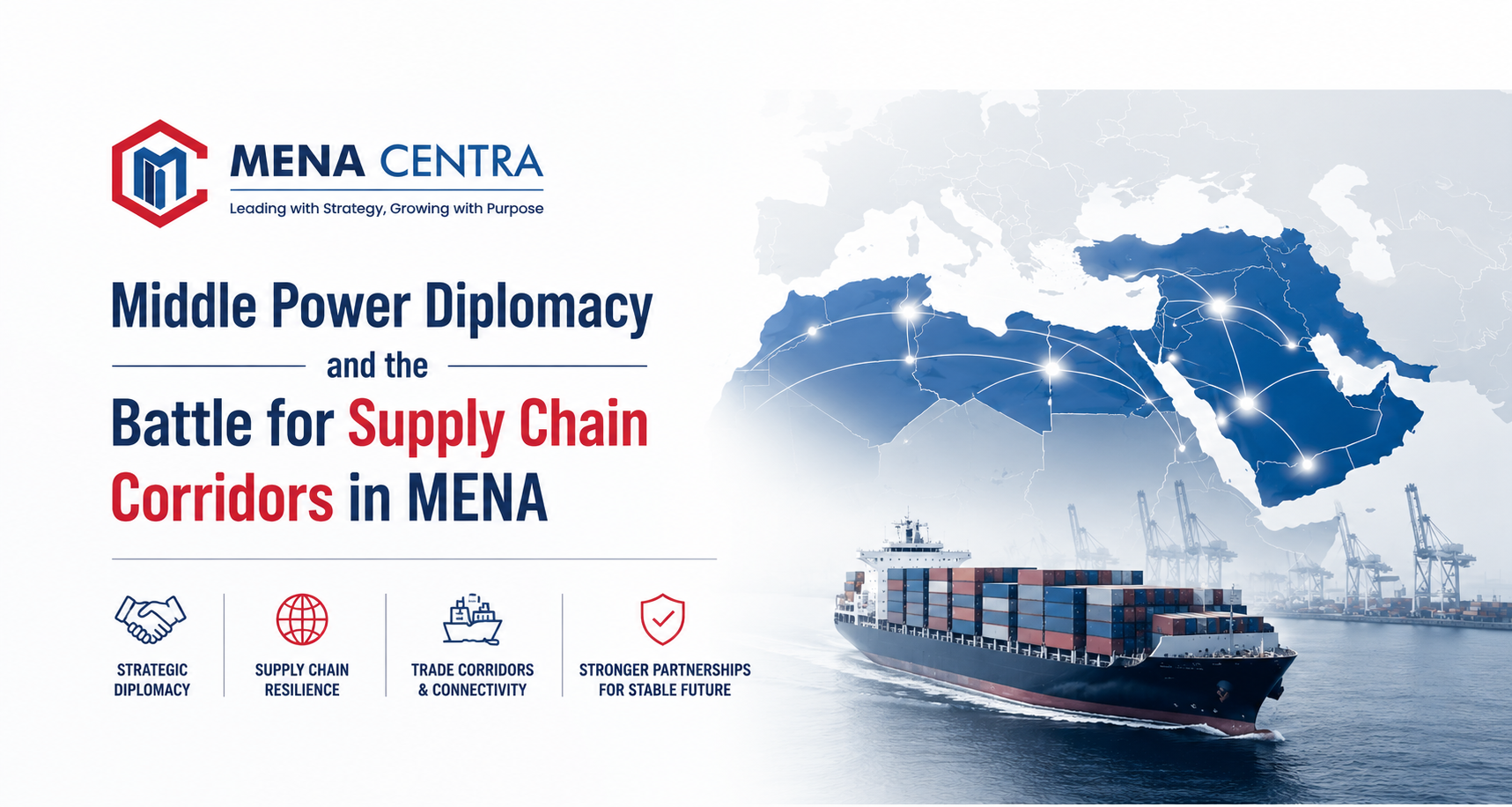
There is a quiet war happening across the Middle East and North Africa, and it has nothing to do with tanks or borders....
In the world we live in today, what the government does in one place can affect things on the other end of the world. If...