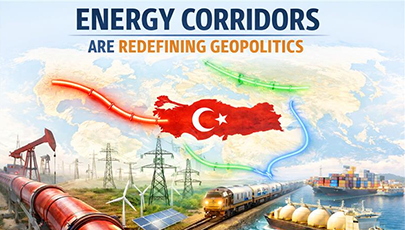
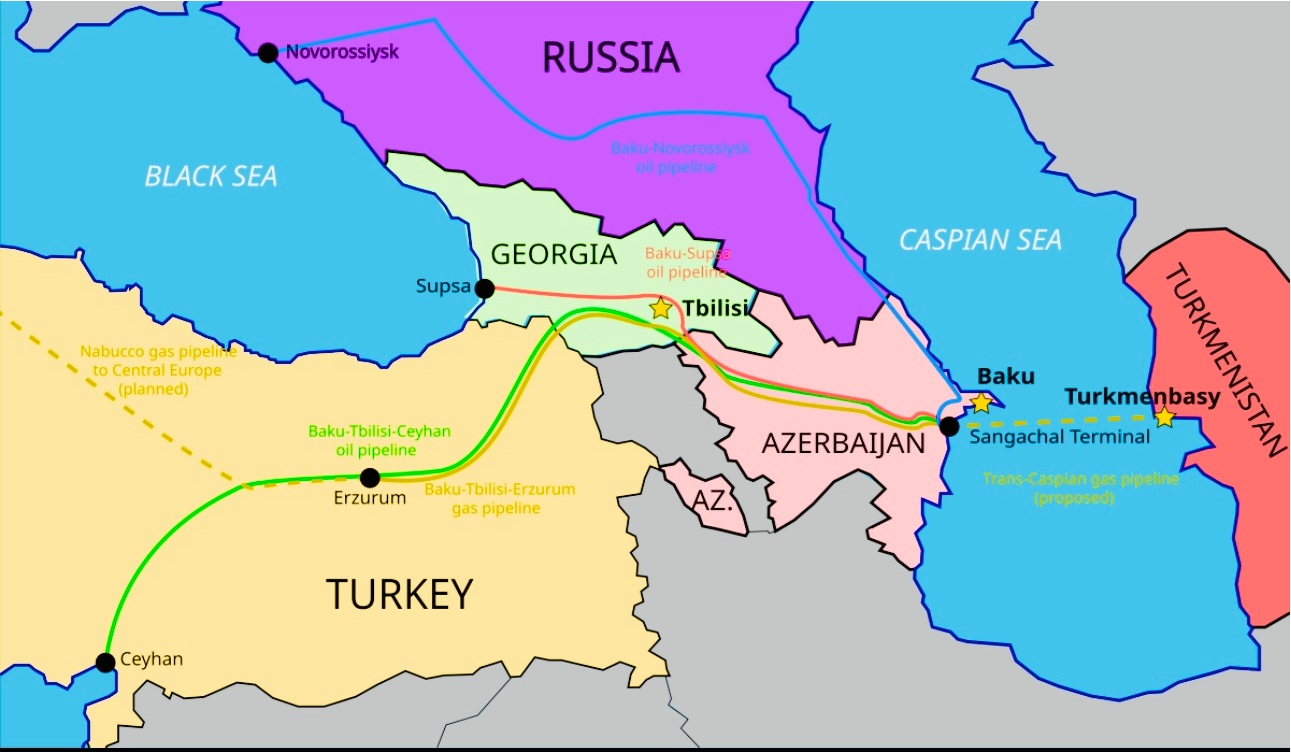
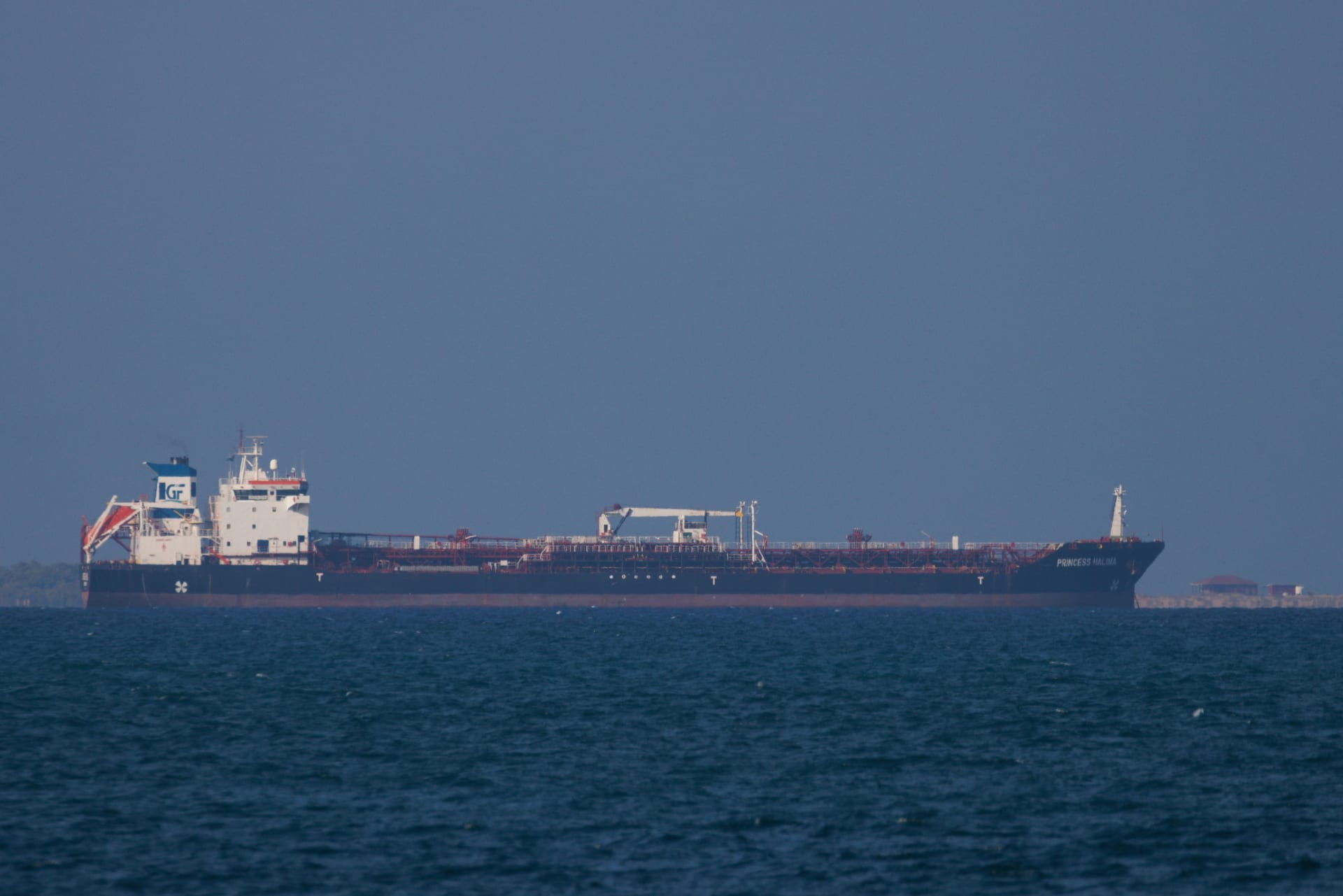
Historically, energy flows in the region followed fragmented paths, Gulf producers exporting outward, Levant states often marginalized, and Turkey positioned as a bridge without full integration. That model is shifting.
Today, corridors are being imagined, and in some cases constructed as axes, not endpoints. The Gulf seeks diversified export routes and energy transition pathways. The Levant sits at the intersection of land, sea, and political fault lines. Turkey increasingly functions as a convergence zone linking production, transit, and consumption.
What binds these actors is not a single project, but a shared interest in connectivity that reduces exposure to instability.
Turkey’s Strategic Position: From Transit to System Node
Turkey’s role in regional energy corridors has evolved beyond simple transit. Its geography, infrastructure, and market size position it as a system node, a place where multiple corridors intersect, adapt, or terminate.
This gives Turkey leverage, but also responsibility. Acting as a corridor hub requires balancing geopolitical relationships, regulatory alignment, and long-term investment credibility. The sustainability of this role depends not only on infrastructure, but on political predictability and diplomatic bandwidth. In a fragmented region, being a reliable connector is a form of power.
The Gulf’s Corridor Calculus
For Gulf states, energy corridors are increasingly about optionality. As global markets shift and the energy transition accelerates, diversification of routes and partners becomes a strategic imperative.
This is driving interest in corridors that move northward and westward, linking energy systems, industrial capacity, and future green exports. These corridors are not only about hydrocarbons, they are about positioning in a post-oil global economy while retaining geopolitical relevance.
The Levant: Geography Without Stability
The Levant’s position is paradoxical, it sits at the heart of regional connectivity, yet remains the most politically fragmented. Corridors passing through or around the Levant reflect this tension.
Some routes seek inclusion, recognizing the Levant’s geographic inevitability. Others pursue bypass strategies, minimizing political and security risk. This duality risks locking the Levant into a peripheral role, not because of geography, but because of governance gaps and unresolved conflicts.
Corridor Politics in a Multipolar World
The reconfiguration of energy corridors is unfolding against a broader shift toward a multipolar global system. External actors are no longer designing regional connectivity alone. Regional states are asserting greater agency, negotiating corridors that align with their own strategic priorities.
This does not eliminate competition, it reframes it. Corridors become spaces of negotiation, overlap, and selective cooperation rather than zero-sum rivalry, and the question is no longer who controls energy, but who controls the terms of connection.
While corridor narratives often emphasize integration, the reality is more cautious. States seek cooperation without overexposure, interdependence without vulnerability. This produces a patchwork of partial connections rather than a fully integrated regional system.
Whether this evolves into deeper cooperation or entrenched fragmentation will depend on governance, trust, and the ability to manage political shocks.
Infrastructure alone cannot substitute for political settlement, but it can shape incentives.
MENA Centra’s Perspective
At MENA Centra, the Gulf–Levant–Turkey corridor space is viewed as a strategic laboratory, a place where energy, diplomacy, and geography intersect under conditions of uncertainty.
These corridors are not simply routes for energy. They are frameworks through which the region is renegotiating power, resilience, and relevance in a changing global order.

For decades, energy politics in the Middle East was understood primarily through production, who controls oil...
Energy connectivity is quietly transforming the political and economic landscape of the Middle East and North...
Historically, energy flows in the region followed fragmented paths, Gulf producers exporting outward, Levant s...
With a focus on enhancing regional value chains, this program enhances domestic industries across the agro-pro...
This program reorganizes historic trade corridors into digital-enabled supply chains. With the incorporation o...
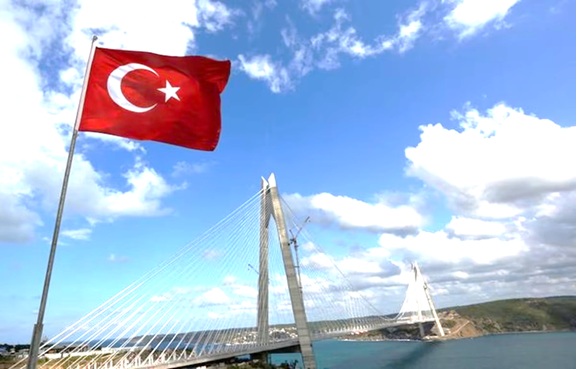
The Türkiye–MENA Industrial Bridge is a strategic program that seeks to develop strong industrial alliances in...
MENA Centra is at the forefront of regional change. We combine strategic vision, policy acumen, and on-the-ground experience in a way that fills gaps between vision and delivery. Collaborations and local intelligence are delivered by us to drive scalable growth and sustained impact.
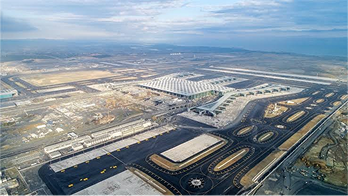
Open any investment briefing on Türkiye and the first slide is almost always about risk. Currency swings, inflation char...
Most international business partnerships don't make it past the three-year mark. Cultural misalignment, mismatched expec...
Global businesses need more than just access to different markets. They want trusted relationships. They need local unde...
Every year, governments and institutions invest heavily in international cultural diplomacy, funding exchange programs,...
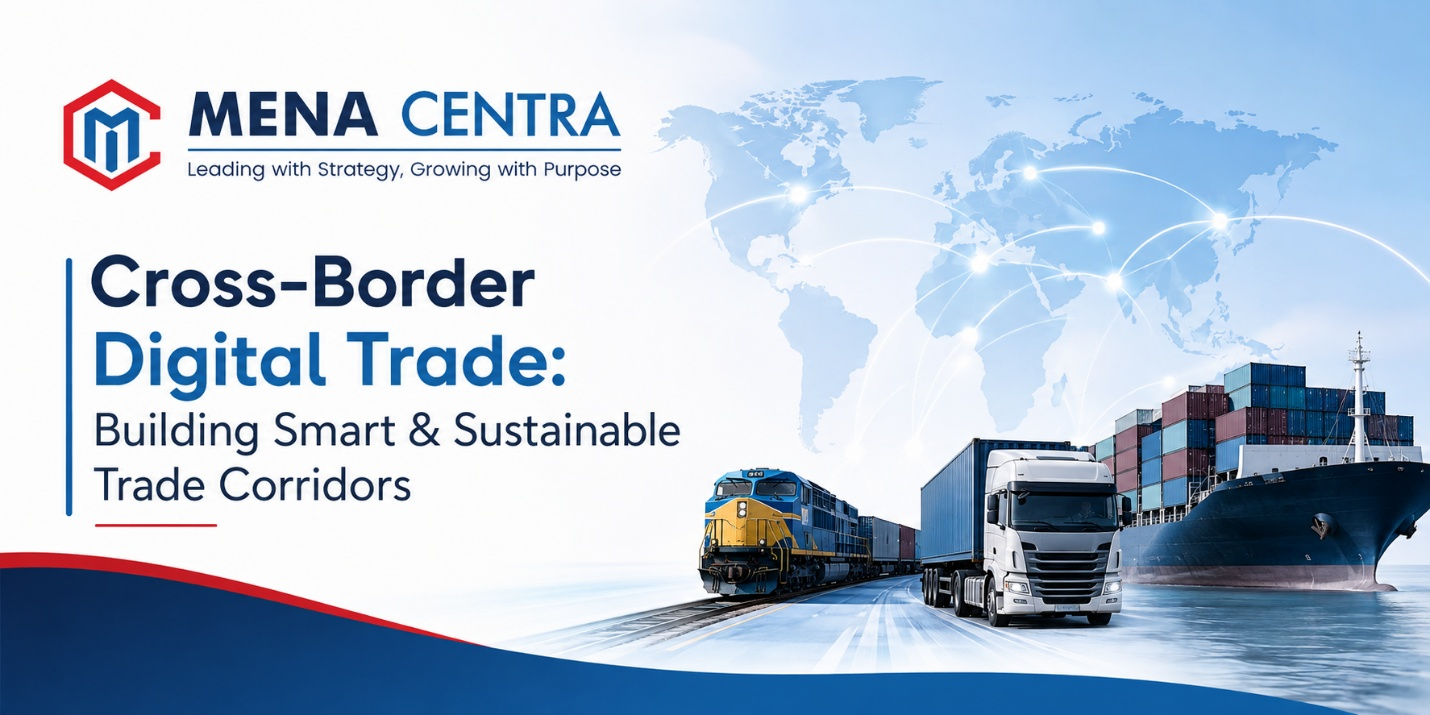
Global trade is growing. And the traditional systems designed to manage it are now facing trouble. Every year more goods...
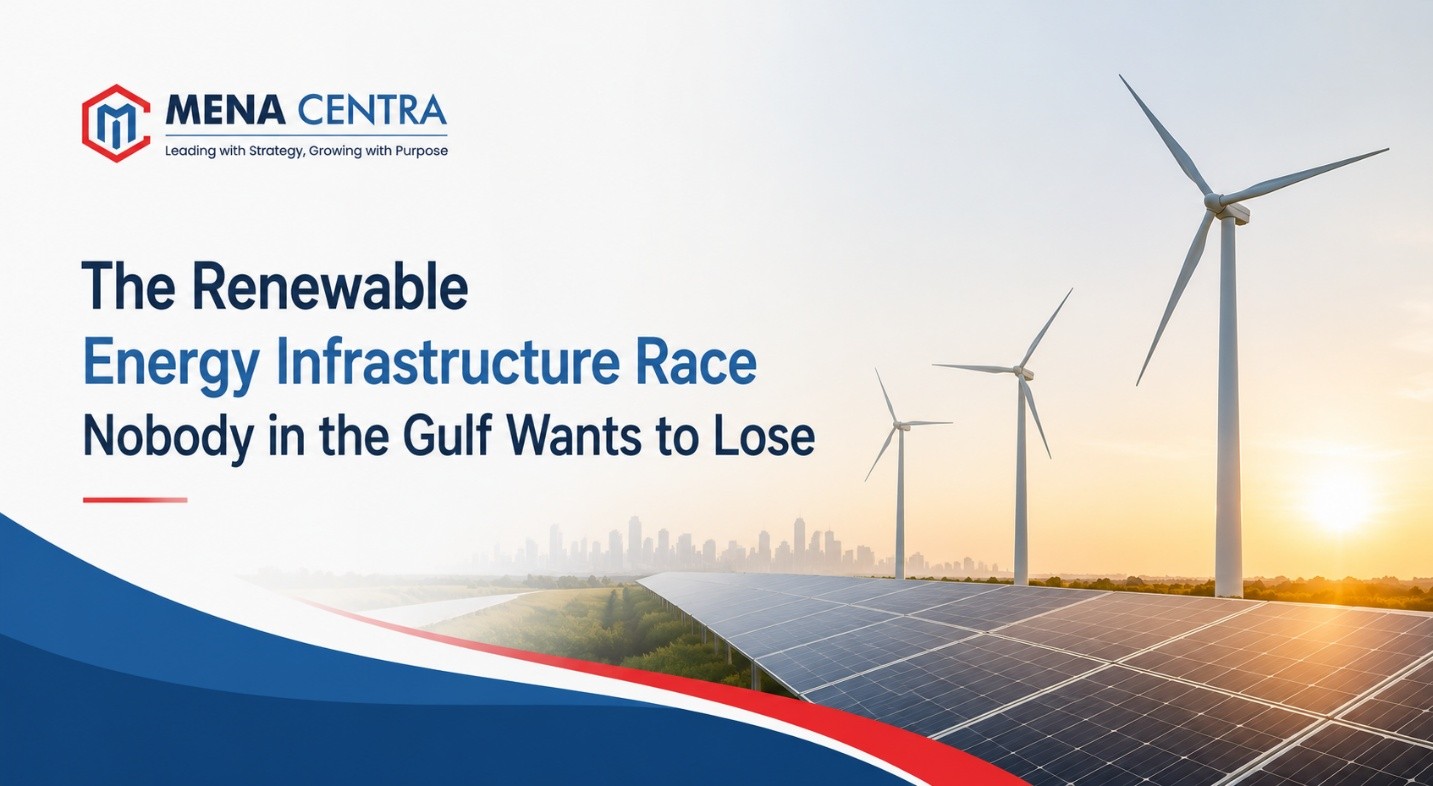
The Middle East and North Africa (MENA) region has long been synonymous with oil and gas production. However, as the wor...
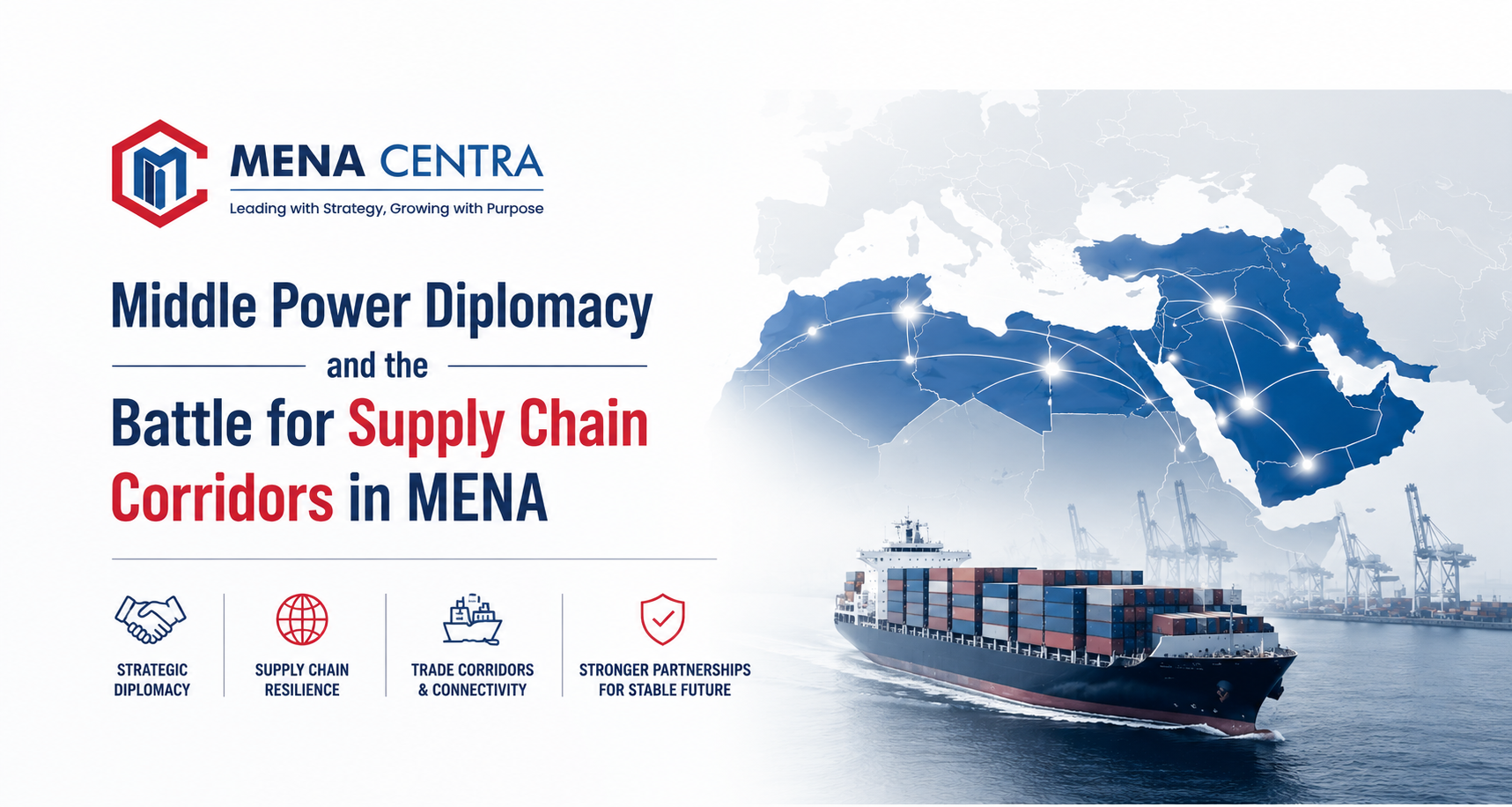
There is a quiet war happening across the Middle East and North Africa, and it has nothing to do with tanks or borders....
In the world we live in today, what the government does in one place can affect things on the other end of the world. If...