

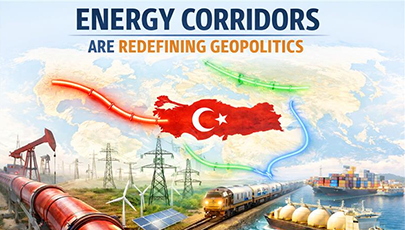
Energy connectivity is quietly transforming the political and economic landscape of the Middle East and North Africa. While pipelines once dominated regional energy thinking, today’s connectivity extends far beyond oil and gas into electricity grids, renewable power, LNG routes, and emerging green energy systems.
This shift is redefining not only how energy moves, but how the region positions itself in a rapidly changing global order.
Energy Connectivity Beyond Extraction
Traditional energy geopolitics focused on extraction and export. But connectivity changes the equation, electricity interconnections, shared grids, and cross-border infrastructure require deeper coordination than commodity trade. They demand regulatory alignment, political trust, and long-term stability.
Unlike tankers that can be rerouted overnight, power grids and fixed infrastructure lock countries into sustained cooperation or prolonged vulnerability.
Energy interconnection creates mutual dependence. This can be stabilizing, but it also redistributes power. Countries that host or control nodes of connectivity gain strategic leverage, while those left outside increasingly face higher costs and reduced resilience.
In a region marked by uneven governance and political fragmentation, connectivity becomes a strategic choice, not a neutral development tool.
Electricity Grids as Political Infrastructure
Power grids are emerging as one of the most consequential forms of regional infrastructure. Cross-border electricity trade promises efficiency, resilience, and cost reduction, but only if governance structures can withstand political shocks.
Grid connectivity exposes a fundamental tension, the desire for integration versus the fear of dependency. How states manage this tension will shape the next phase of regional cooperation.
Renewable energy and potential hydrogen corridors introduce a new layer of complexity. These systems are capital-intensive, policy-heavy, and deeply dependent on regulatory consistency.
If managed strategically, green energy corridors could reposition the region as a global energy connector rather than a commodity exporter. If mismanaged, they risk reproducing old extractive patterns under a new label.
Energy connectivity does not exist in a political vacuum. Conflicts, sanctions, and unresolved disputes shape which corridors are built and which are avoided. As a result, connectivity is increasingly selective, creating parallel systems rather than integrated regional networks.
This raises a critical question: will energy connectivity bridge fragmentation, or institutionalize it?
MENA Centra’s Perspective
At MENA Centra, energy connectivity is understood as a strategic system, economic, political, and diplomatic. Pipelines, power grids, and green corridors are not endpoints, they are frameworks that shape behavior, alliances, and resilience over decades.
The future of the MENA region will not be decided solely by resources, but by how connectivity is governed.
Turkey, the Gulf, and the Levant, the New Architecture of Energy Corridors
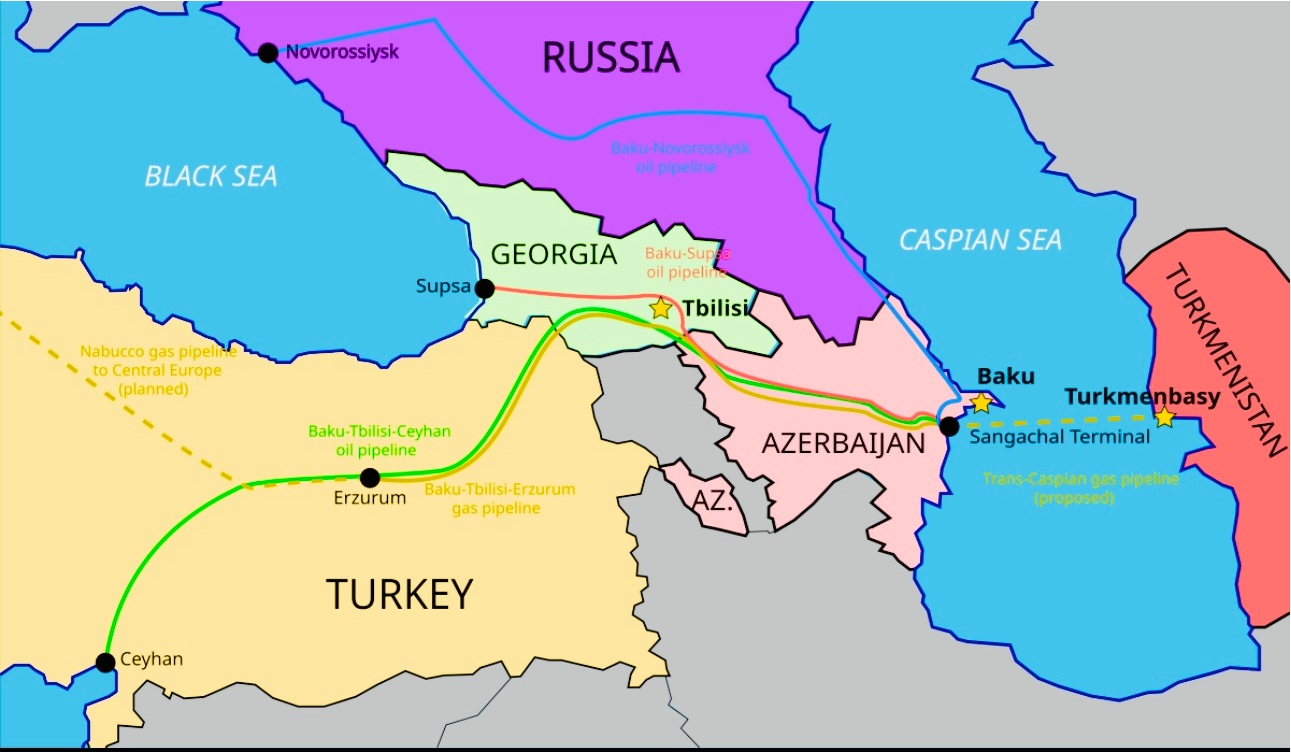
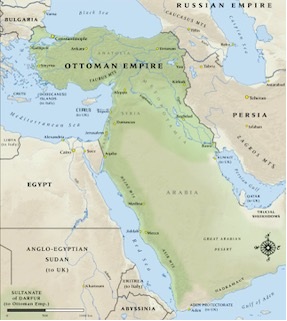
The geography of the Middle East has not changed, but its function has. What is emerging across the region is a new corridor architecture, one that increasingly links the Gulf, the Levant, and Turkey into a strategic energy and trade system shaped less by ideology and more by connectivity, risk management, and global realignment.
Energy corridors are becoming the practical language through which this emerging architecture is negotiated.
For decades, energy politics in the Middle East was understood primarily through production, who controls oil...
Energy connectivity is quietly transforming the political and economic landscape of the Middle East and North...
Historically, energy flows in the region followed fragmented paths, Gulf producers exporting outward, Levant s...
With a focus on enhancing regional value chains, this program enhances domestic industries across the agro-pro...
This program reorganizes historic trade corridors into digital-enabled supply chains. With the incorporation o...
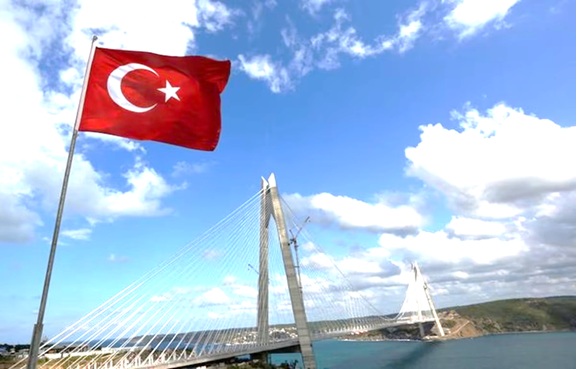
The Türkiye–MENA Industrial Bridge is a strategic program that seeks to develop strong industrial alliances in...
MENA Centra is at the forefront of regional change. We combine strategic vision, policy acumen, and on-the-ground experience in a way that fills gaps between vision and delivery. Collaborations and local intelligence are delivered by us to drive scalable growth and sustained impact.
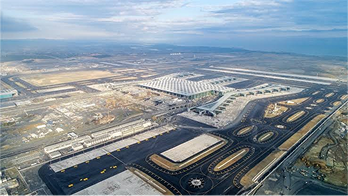
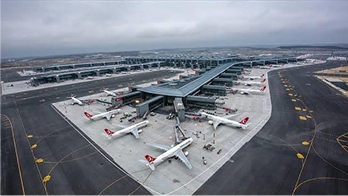

Open any investment briefing on Türkiye and the first slide is almost always about risk. Currency swings, inflation char...

Most international business partnerships don't make it past the three-year mark. Cultural misalignment, mismatched expec...
Global businesses need more than just access to different markets. They want trusted relationships. They need local unde...

Every year, governments and institutions invest heavily in international cultural diplomacy, funding exchange programs,...
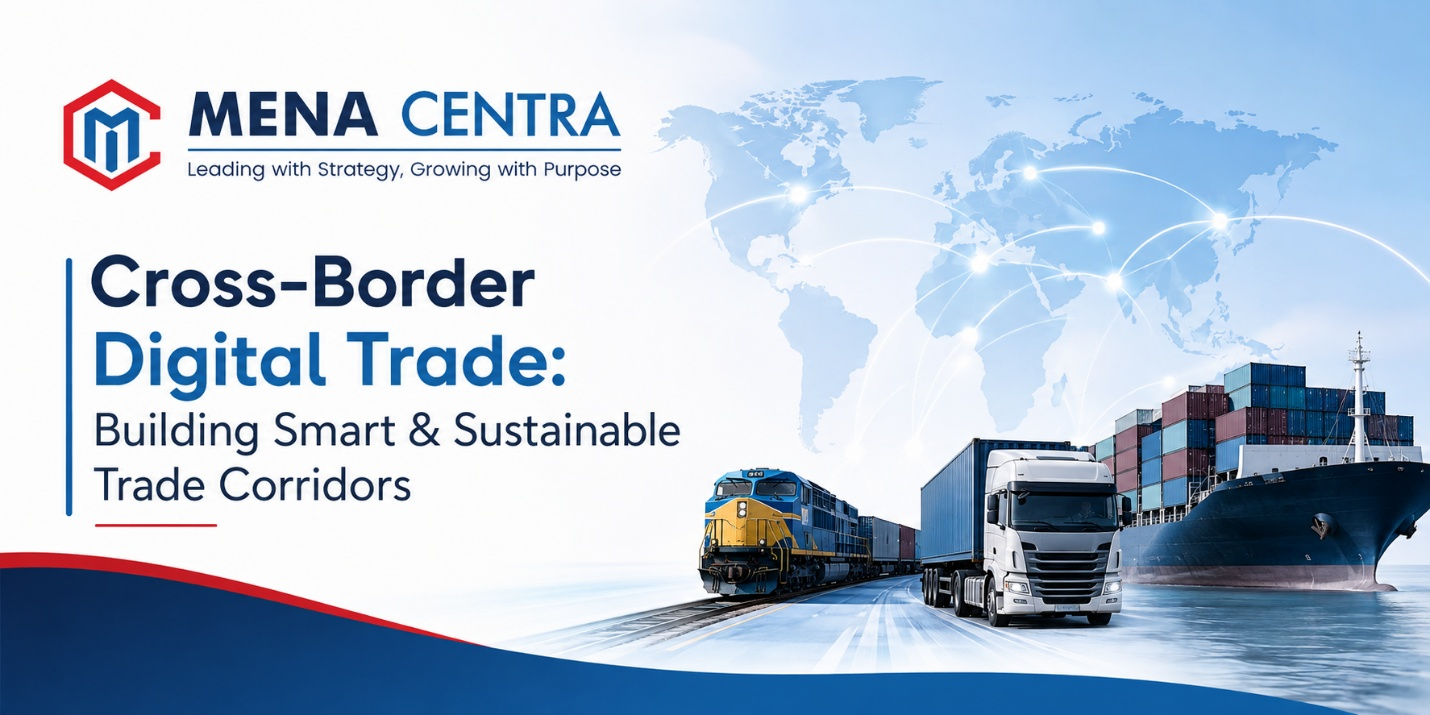
Global trade is growing. And the traditional systems designed to manage it are now facing trouble. Every year more goods...
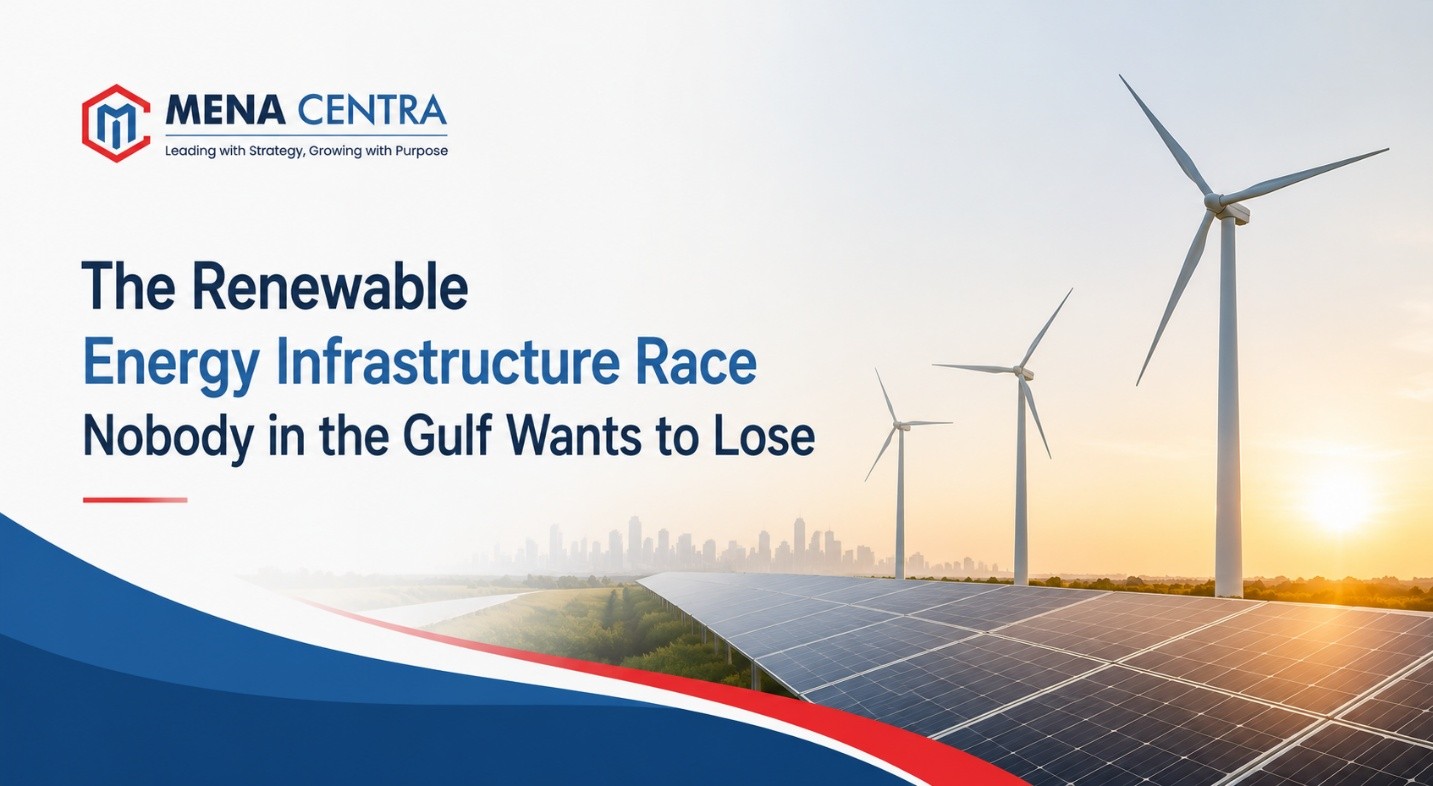
The Middle East and North Africa (MENA) region has long been synonymous with oil and gas production. However, as the wor...
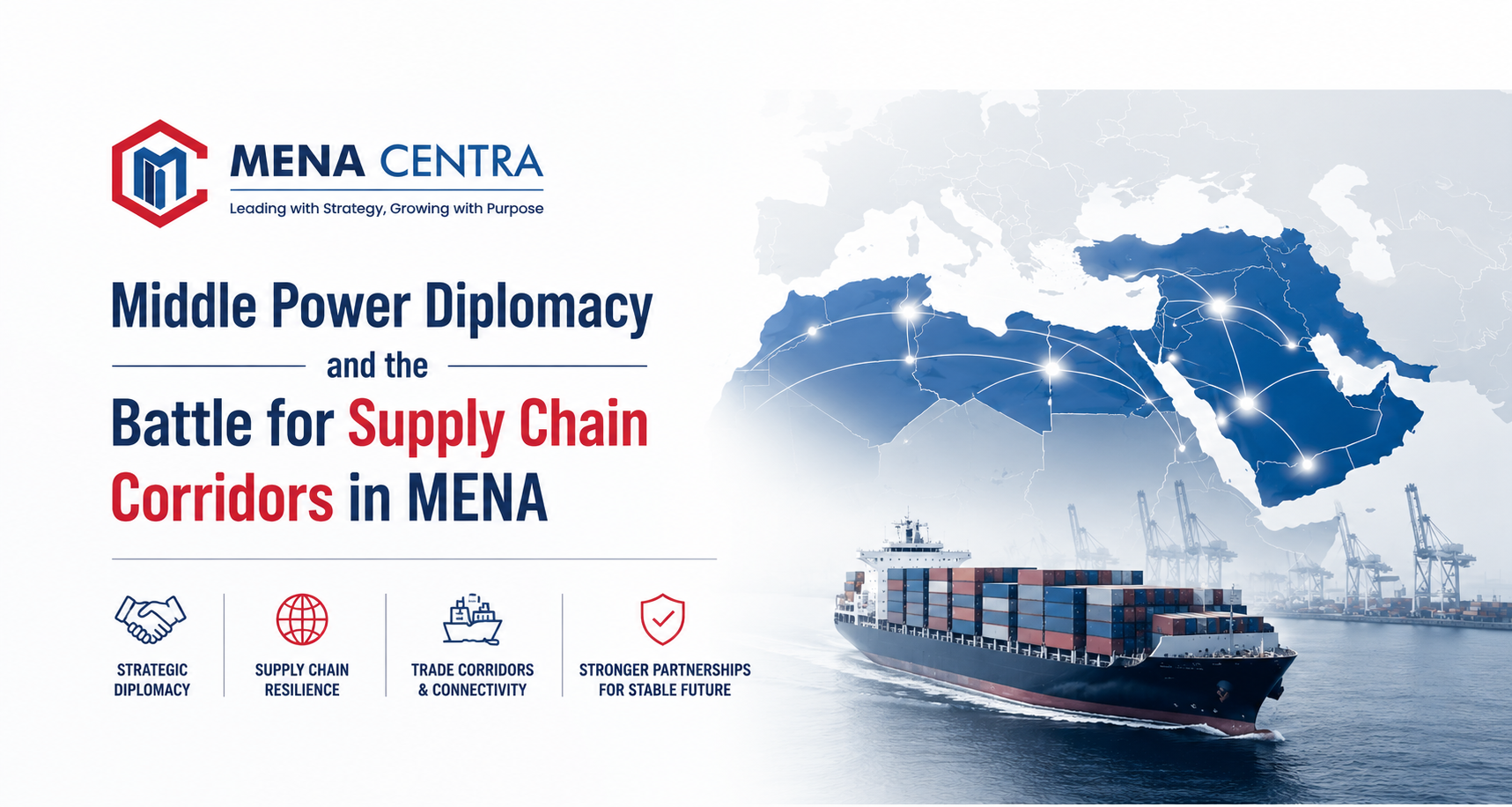
There is a quiet war happening across the Middle East and North Africa, and it has nothing to do with tanks or borders....
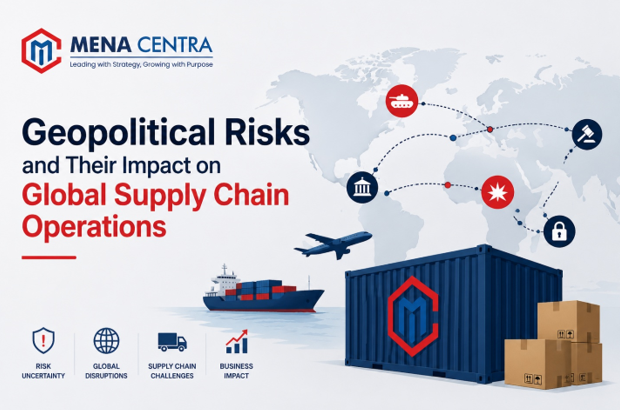
In the world we live in today, what the government does in one place can affect things on the other end of the world. If...