17 July 2026 Admin
In the world we live in today, what the government does in one place can affect things on the other end of the world. If there is a problem with a shipping route, or if two countries start making it harder to trade with each other, or if there is trouble in a certain area, it can change a lot of things. It can affect the manufacturing schedule and product availability in stores.
These things show that what happens with politics and countries is having an impact on the global supply chain.
For some time now, countries have been increasingly trading with each other. Companies get things they need from different countries, make products in many places, and get them to people through a complex logistics network. So it has become very important for companies to pay attention to what's happening with politics and countries when they make plans, for getting things to people.
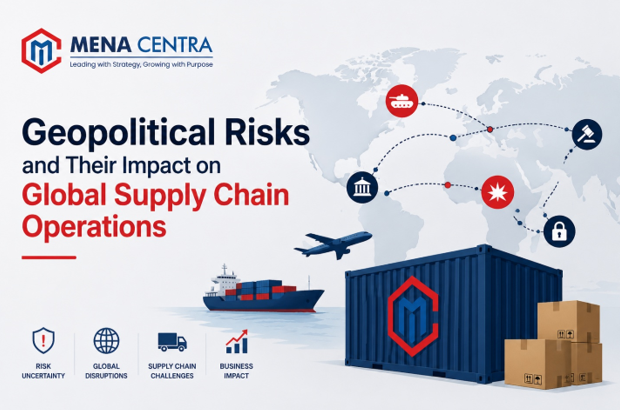
Geopolitical risks are about things that happen with politics, money, and safety that can affect business operations with countries and make investment decisions. These risks can arise from conflicts between countries, disagreements about trade, economic sanctions, and strategic competition among major economies.
The World Economic Forum and the International Monetary Fund say that countries are not working together as much as they used to, and this is really affecting the global economy. Countries are now doing business in an environment where policy decisions and international relations can directly impact sourcing, transportation, and market access.
For companies that do business with countries, geopolitical risks are not something that might happen someday. They are things that are happening now and need to be watched all the time and planned for.
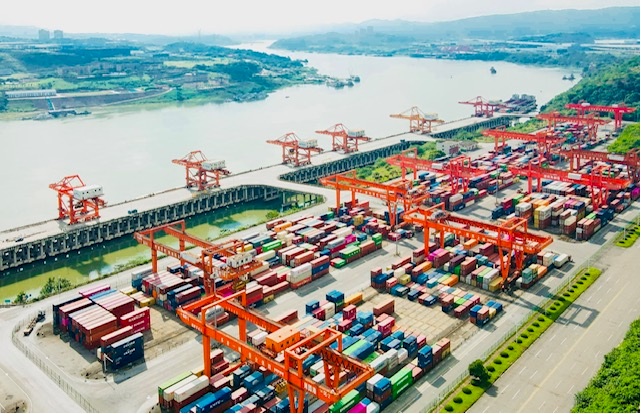
Geopolitical risks can really mess up transportation corridors and trade routes. The whole global shipping network relies on stable routes, efficient ports, and reliable logistics infrastructure.
During conflicts, security concerns, or political tensions, trade routes are affected, which eventually causes a lot of problems. For example, shipping schedules get delayed, and freight costs increase. It becomes harder to predict when things will be delivered. The United Nations Conference on Trade and Development (UNCTAD) has said many times that when major shipping corridors are disrupted, it can cause problems in many industries and regions.
For businesses operating within a global supply chain, a short disruption can affect inventory levels, production schedules, and customer satisfaction.
Geopolitical development in the world can make people unsure about money and the commodity market. Moreover, transport costs may also rise due to longer shipping routes, increased fuel prices, or higher insurance premiums.
Companies also face the challenge of figuring out the demand and managing inventories. To combat this period of uncertainty, companies usually keep safety stock, find out different transportation options, and strategize about resourcing.
The Organisation for Economic Co-operation and Development has said that when there are more geopolitical tensions, it can increase the operational cost and make businesses unsure about their work. That is why making a strategic plan is more important than ever.
Many companies are rethinking who they buy from because of geopolitical dynamics. If a company relies heavily on one supplier or one part of the world, it can get into big trouble if something goes wrong.
So businesses are now trying to work with different suppliers. This means they might get materials from multiple countries, expanding the regional supplier network or even setting up new production factories.
These changes are helping companies be more flexible with who they work with and where they get their stuff. They are not relying on one market anymore. This makes their supply chains stronger.
Trade regulations and sanctions can change quickly because of geopolitical events. Businesses have to follow rules about customs, exports, and international trade. It's hard to keep up with these changes.
Therefore, companies need to analyse and make informed decisions. If they don't adjust quickly, they might have problems like operational delays, penalties, or limited market access. They must stay on top of trade regulations and sanctions to avoid these issues.
Companies need to be aware of export controls and customs procedures to stay compliant.
This way, they can avoid penalties and keep operating smoothly.
Global connectivity is still really important. Lately, we have seen how useful it is to have a strong local supply chain. Companies have started to realize that they need to balance being efficient with being flexible in their own region.
The World Bank says that we need to make regional networks that work well with global trade systems.
If you have a local supply chain you can keep your business running when things get tough and help your local economy while responding quickly to changes in the market.
Having a local supply chain does not mean you do not need global networks; it actually makes them better by adding more stability and flexibility to the system. Therefore, local supply chains and global networks can work together to make things more reliable.
The Middle East and North Africa are becoming really important for trade and getting things from one place to another. The Middle East and North Africa are in a spot right between Europe, Asia, and Africa, which makes the Middle East and North Africa a key place for international business.
People are putting a lot of money into ports, roads, and factories. Getting things from one place to another is making the Middle East and North Africa even more important for global trade. According to the World Bank and various regional development initiatives, diversification in the economy is creating new opportunities for manufacturing, innovation, and working with other countries.
Since companies want to make sure they can get things even when there are problems, the Middle East and North Africa are in a position to help because of their location and how they are strategically expanding. This evolving landscape highlights the importance of regional intelligence and market understanding.
Organizations can no longer just focus on being efficient to measure how well their supply chain is doing. Today, having a supply chain is a big advantage.
Here are some ways to make a supply chain stronger:
* Having suppliers in different regions
* Working closer with suppliers in your area
* Using tools to keep track of your supply chain and see what's happening
* Planning for scenarios that might happen
* Setting up systems to watch for risks and predict what might happen next
These steps help organizations deal with problems effectively and keep things running smoothly.
Companies that work on making their supply chain stronger are usually in a position to handle uncertainty and keep their customers happy while capitalizing on emerging opportunities.
There's an abundance of data in today’s businesses, but data by itself doesn't help make good decisions. Organizations also need to understand and interpret the data.
Understanding how economics, politics, trade rules, and local market conditions is becoming more and more important for making good decisions. This is where regional intelligence becomes important.
Organisations like MENA Centra contribute to this effort by bringing policy analysis, economic trends, and local expertise to support good decision-making. We combine knowledge with a bigger picture of what's happening in the world, businesses, and policymaking to anticipate challenges and opportunities beforehand.
In a world that's changing fast, making informed decisions can be of great advantage.
Geopolitical risks are reshaping the global supply chain in profound ways. From trade route disruptions and rising costs to evolving supplier networks and regulatory complexities.
At the same time, opportunities continue to emerge for organizations that embrace adaptability, strengthen local supply chain capabilities, and invest in long-term supply chain resilience. Success will depend on the ability to combine strategic planning with a deep understanding of both global and regional developments.
As global trade patterns continue to evolve, access to reliable intelligence and regional expertise has never been more important. Explore MENA Centra's insights and analysis to get a better understanding of emerging opportunities, strengthen supply chain resilience, and navigate an increasingly interconnected world.