10 June 2026 Admin
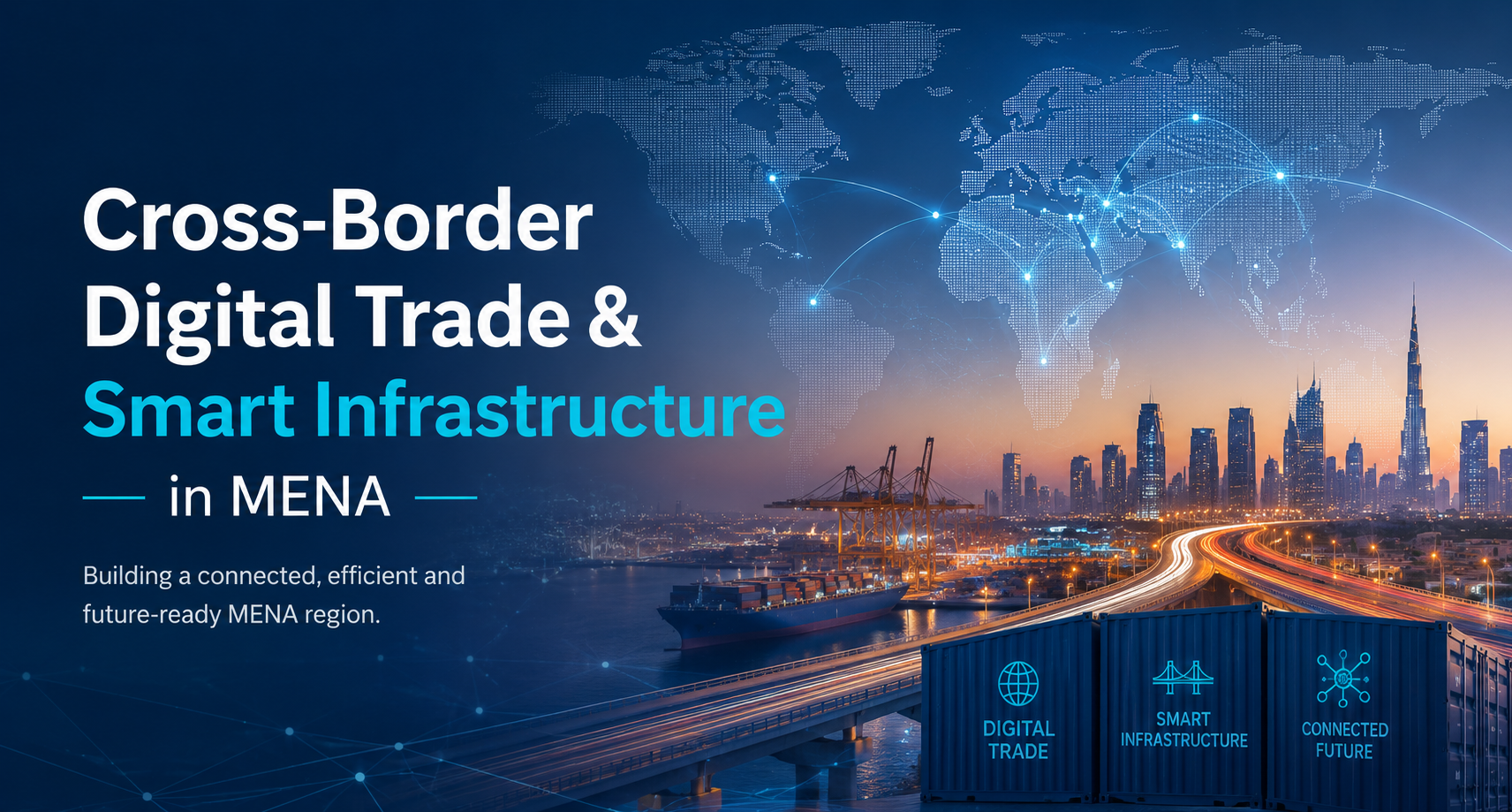
The MENA region is currently experiencing a period of transformation, which is largely powered by advancements in technology, sustainable development, and regional collaboration. With the diversification of the region from an over-reliance on oil, countries within the region have been making substantial investments in cross-border digital trade.
As digital commerce gains momentum around the globe, the entities within the MENA countries realize the necessity of increasing cross-border connectivity. It seems as though MENA countries are gearing up to become the link between Asia, Europe, and Africa. There are great opportunities for growth in innovation, investment, and economic development that result from this change for companies that work within international markets.
Cross-border digital commerce is now seen as one of the main catalysts for economic development in the MENA region. Firms are no longer constrained by physical boundaries because they can trade their goods and services internationally using digital platforms.
Advantages of digital trade in relation to MENA region economies include the following:
● Quick international transactions
● Decreased costs of operation
● Market access for small and medium-sized enterprises
● Visibility in the supply chains
● Foreign Direct Investments
● Diversified economy
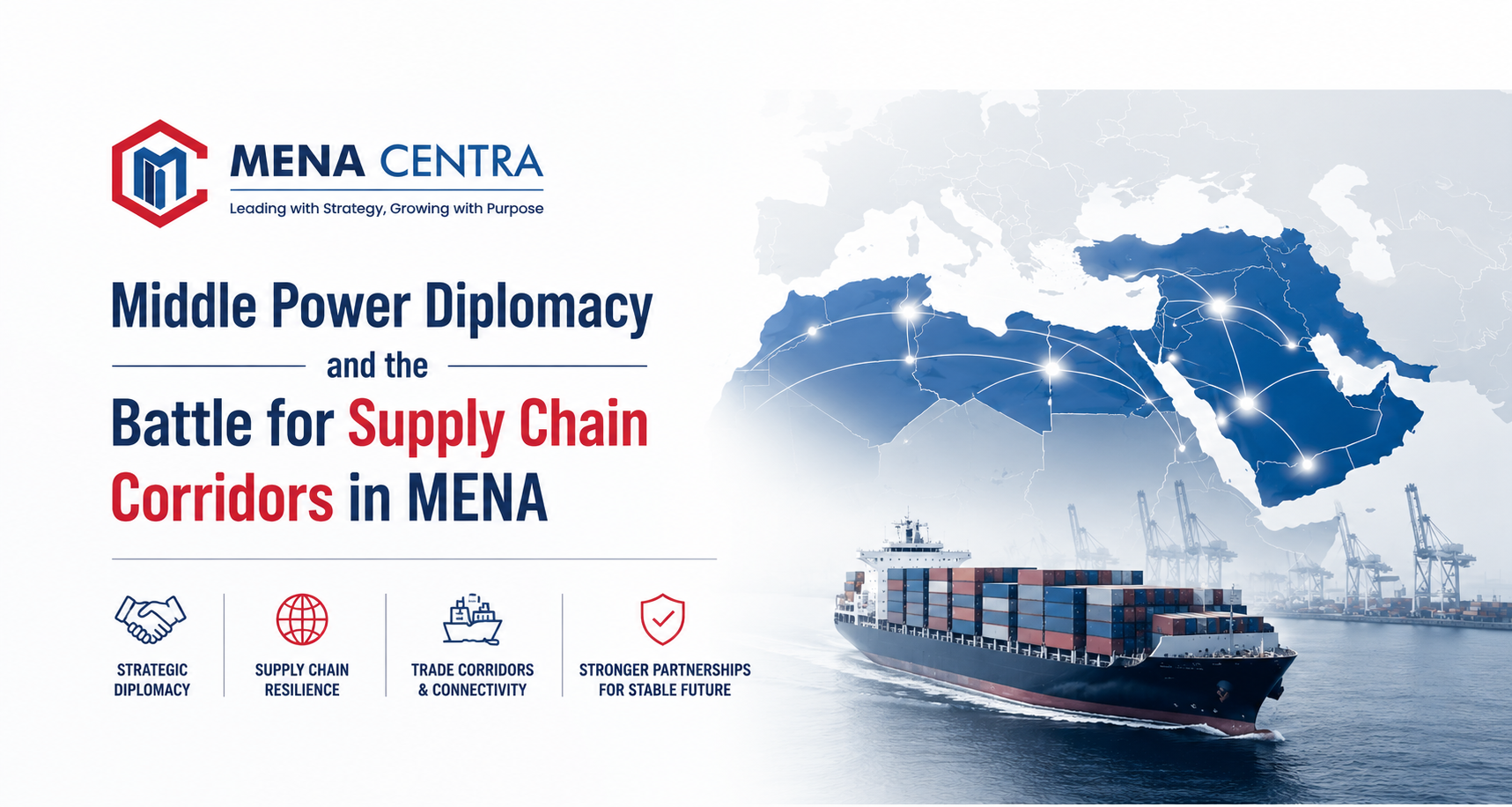
The strategic location of the MENA region serves to further enhance its significance in international trade through modern logistical and digital connectivity initiatives that link Europe, Asia, and Africa.
Cross-border connectivity has emerged as an important element of regional economic strategy in the MENA region. Contemporary economies require seamless transportation infrastructure, fast communication links, data centers, and energy infrastructure to facilitate physical and virtual trade.
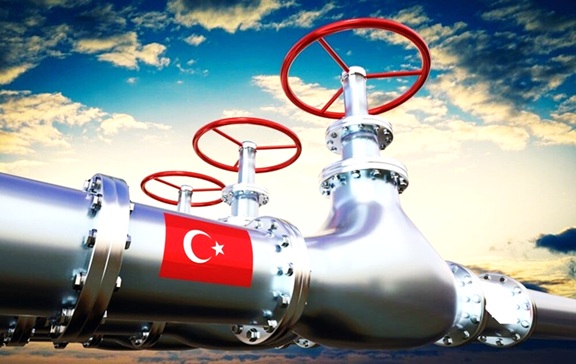
Regional projects concerning energy and transport corridors have proven to be an example of how infrastructure integration can bring long-term benefits. Moreover, the growth of integrated corridors has been instrumental in boosting industries like:
● Manufacturing
● Renewable energy
● Telecommunications
● Shipping and logistics
● Financial services
● Startup technology firms
With companies now moving beyond borders, it has become extremely important to have seamless connectivity. MENA Centra is committed to supporting the future of cross-border digital trade, regional connectivity, and smart infrastructure across the MENA region.
Smart infrastructure has revolutionized the functioning of cities, businesses, and governments. In the MENA region, significant funding has been allocated to smart transport networks, smart cities, digital ports, and artificial intelligence in infrastructure management.
Some of the technologies that form part of smart infrastructure include:
● Artificial intelligence
● The internet of things (IoT)
● Cloud computing
● Big data analytics
● Smart energy infrastructure
● Automated logistics solutions
These technologies enhance the efficiency, sustainability, and resilience of operations as well as minimize cost and ecological impacts. The countries within this region are implementing digital zones for economic development and innovation with an integration of infrastructure to trade and logistical operations.
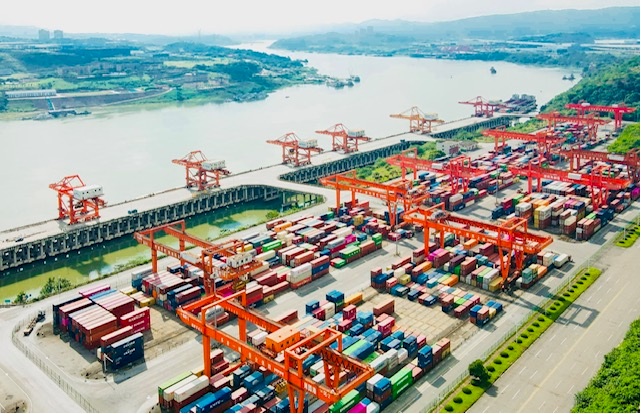
The use of smart ports, electronic customs clearance mechanisms, and digitized transportation corridors is making international logistics easier and more efficient. In addition, smart infrastructure today facilitates better cybersecurity, increased energy efficiency, and improved communications systems for companies that operate internationally.
By encouraging innovation, sustainable development, and digital transformation, MENA Centra aims to contribute to a more connected and future-ready regional economy.
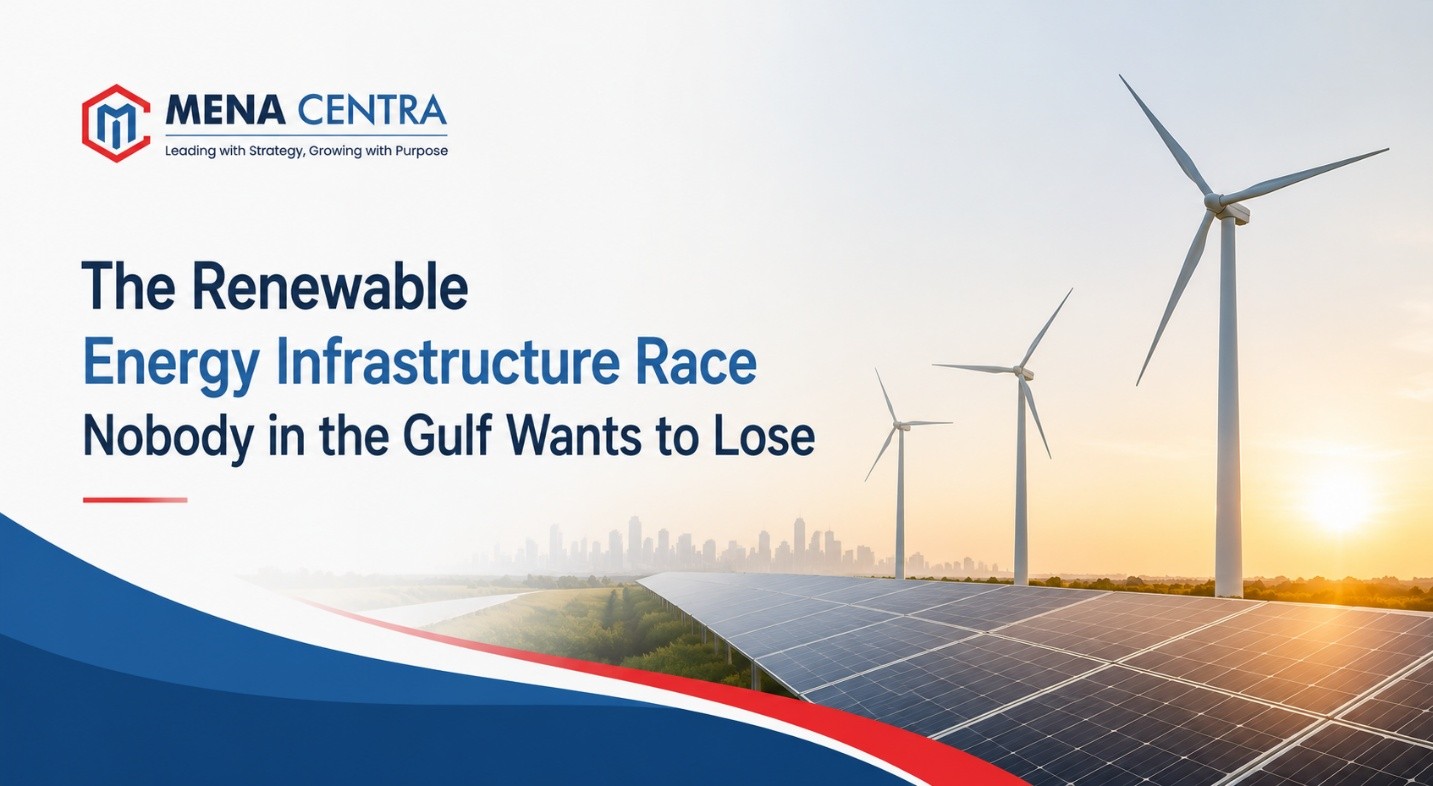
The concept of renewable energy corridors is becoming increasingly important for MENA as a whole in terms of its economy and environmental policy for the future. Given its rich sources of solar and wind energy, the region has great potential to become a pioneer in the production and transportation of renewable energy globally.
Projects that involve regional energy integration have resulted in interlinked energy grids that enable countries to share their renewable energy more effectively.
Several studies carried out by renowned energy and policy firms reveal that regional electricity markets and renewable energy clusters can turn the Middle East-North Africa region into a leading clean energy provider to Europe and other foreign countries.
There are many strategic advantages of using renewable energy corridors:
● Enhanced regional energy security
● Decreased electricity prices
● Higher use of renewable energy sources
● Fewer CO2 emissions
● Enhanced competitiveness of industries
● Creation of jobs
Energy connectivity at a much larger scale between MENA countries and Europe is being considered in order to enable future energy trade between them. In view of government efforts aimed at developing renewable energy, businesses will gain from the clean energy systems created through such development.
The future of the MENA region depends on the successful integration of digital trade systems, smart infrastructure, and renewable energy networks. These elements are no longer separate industries; they now function together as interconnected drivers of economic transformation.
The growing focus on integrated trade and infrastructure corridors also aligns with broader global sustainability and economic diversification goals. Businesses that adapt early to this transformation will be better positioned to compete in international markets while benefiting from improved logistics, lower operational costs, and enhanced connectivity.
At MENA Centra, our primary interest lies in fostering the growth of digital trade across borders, smart infrastructures, and connectivity in the region.
With the MENA region evolving to become an economic power in a globalized economy, businesses require partners who can appreciate the intricacies of technology, infrastructure, and sustainable development.
Economies that will thrive in the future will be those capable of integrating technology, infrastructure, and sustainability into a seamless ecosystem. By increasing connectivity and developing renewable energy corridors, the Middle East and North Africa region is creating a sustainable future.