
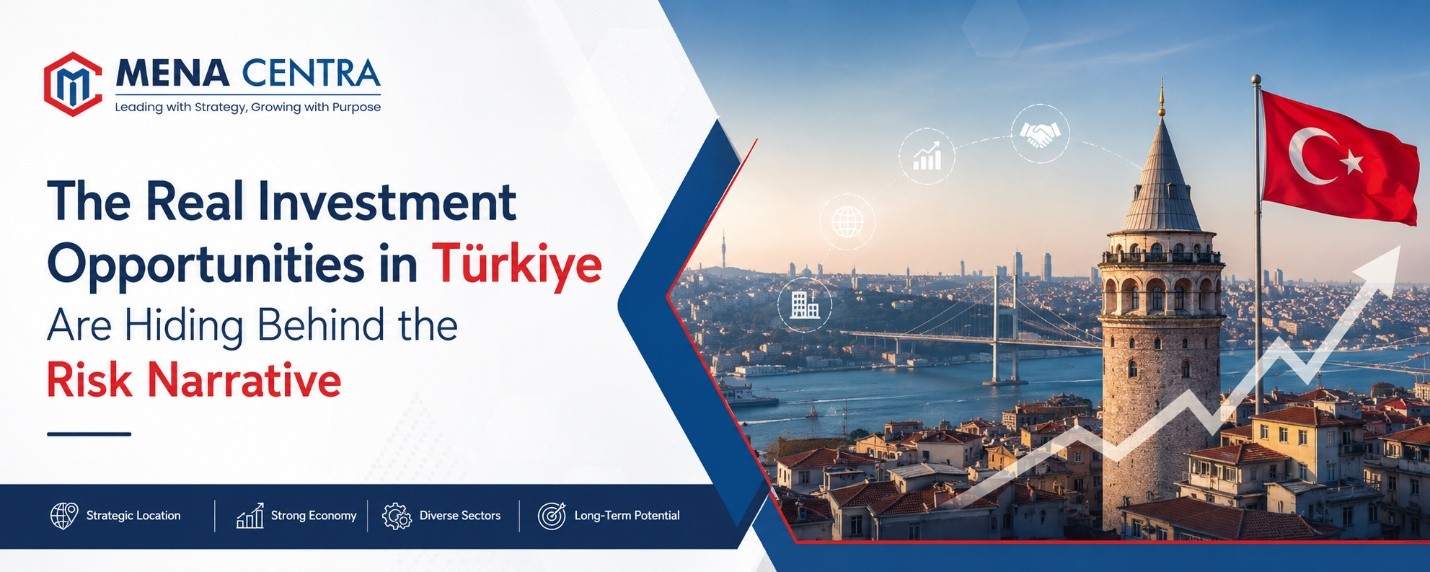
Open any investment briefing on Türkiye and the first slide is almost always about risk. Currency swings, inflation charts, political headlines. It's a familiar script, and it's not wrong. But it's incomplete. While analysts keep refreshing the same risk dashboard, the investment opportunities in Türkiye have quietly matured into something far more substantial than the headlines suggest.
Most international business partnerships don't make it past the three-year mark. Cultural misalignment, mismatched expectations on governance, and a lack of on-the-ground regulatory knowledge quietly kill more cross-border deals than any single market downturn does. Ask any executive who has tried to expand from Europe into the Gulf, or from Southeast Asia into North Africa, and they'll tell you the paperwork was never the hard part. The hard part was everything that happens after the contract is signed.
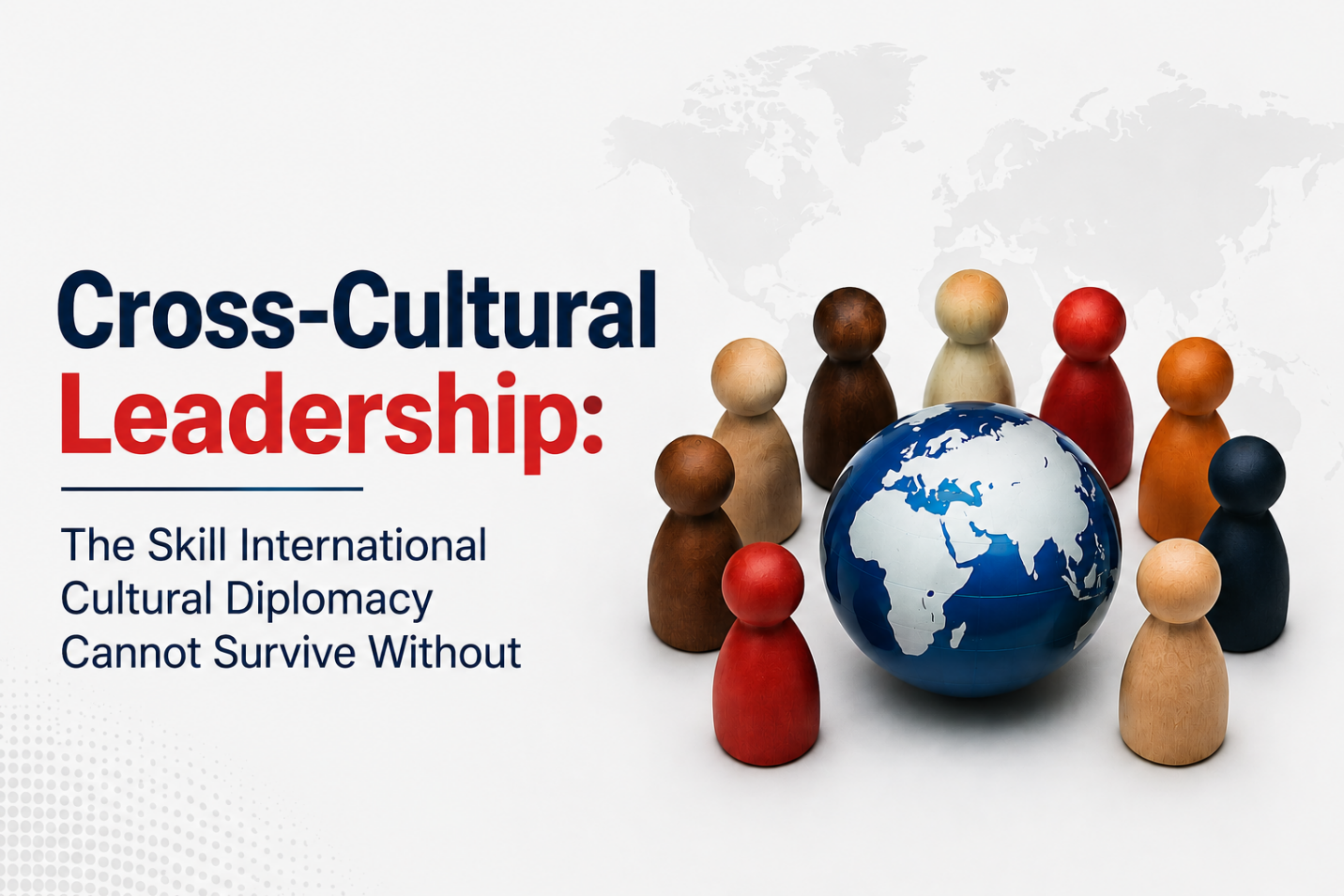
Every year, governments and institutions invest heavily in international cultural diplomacy, funding exchange programs, cultural festivals, and cross-border partnerships meant to build goodwill between nations. Yet many of these initiatives quietly underperform. The budgets are there. The intentions are good. What is often missing is something far less visible: cross-cultural leadership.
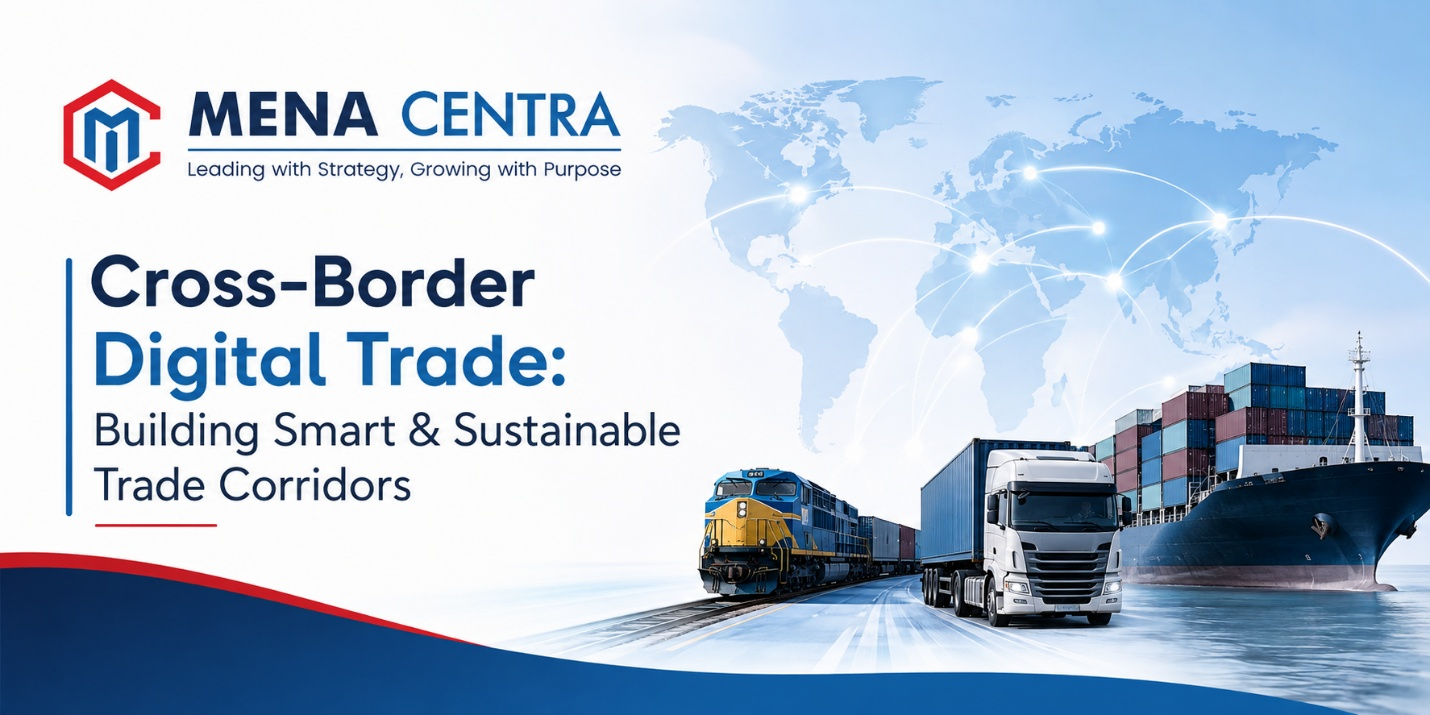
Global trade is growing. And the traditional systems designed to manage it are now facing trouble. Every year more goods, data, and payments travel across different borders. Businesses now want these transactions to happen faster. But still many trade corridors run on paperwork and manual approval systems. This hampers the coordination between agencies.
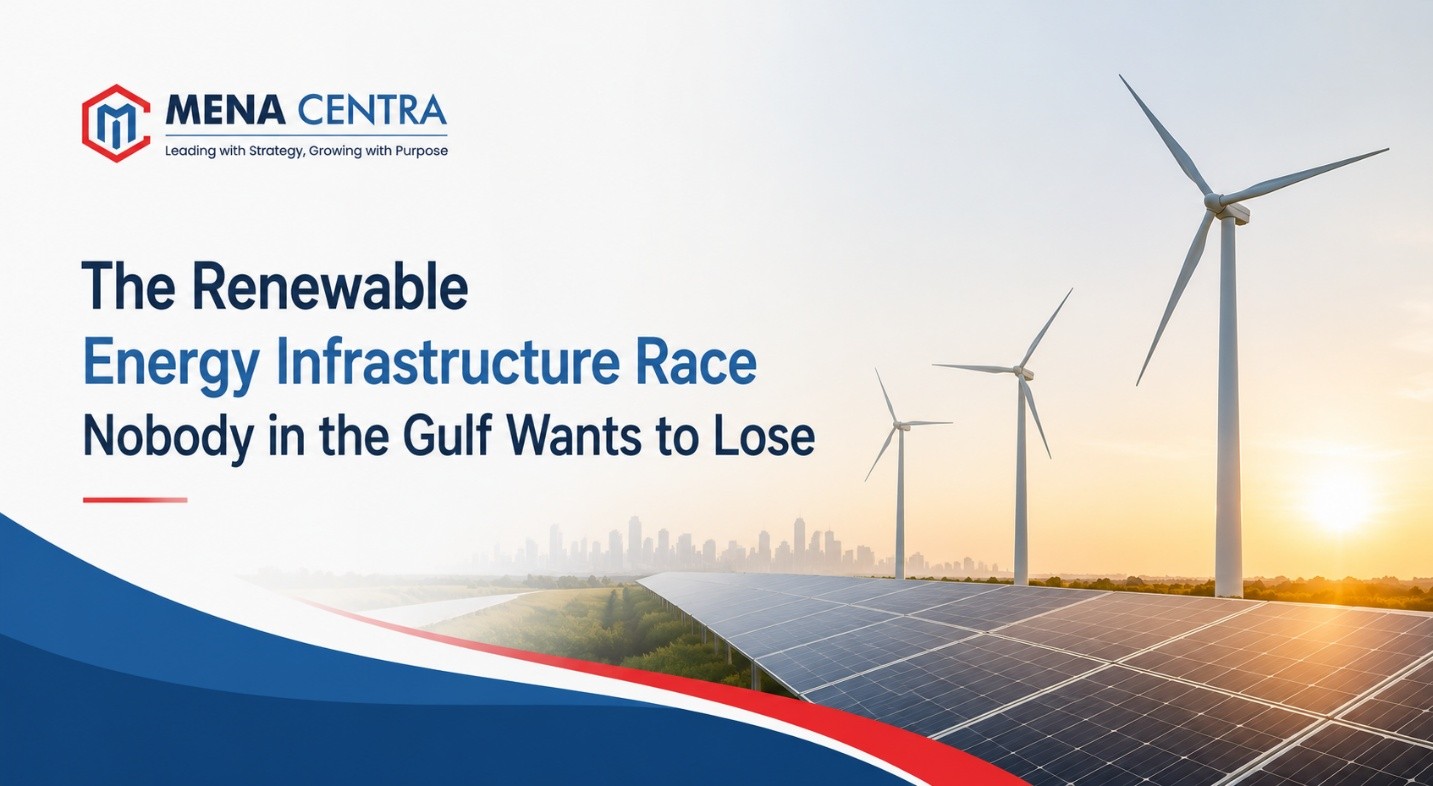
The Middle East and North Africa (MENA) region has long been synonymous with oil and gas production. However, as the world faces the harsh realities of climate change, the nations of MENA are increasingly turning their attention towards renewable energy infrastructure.
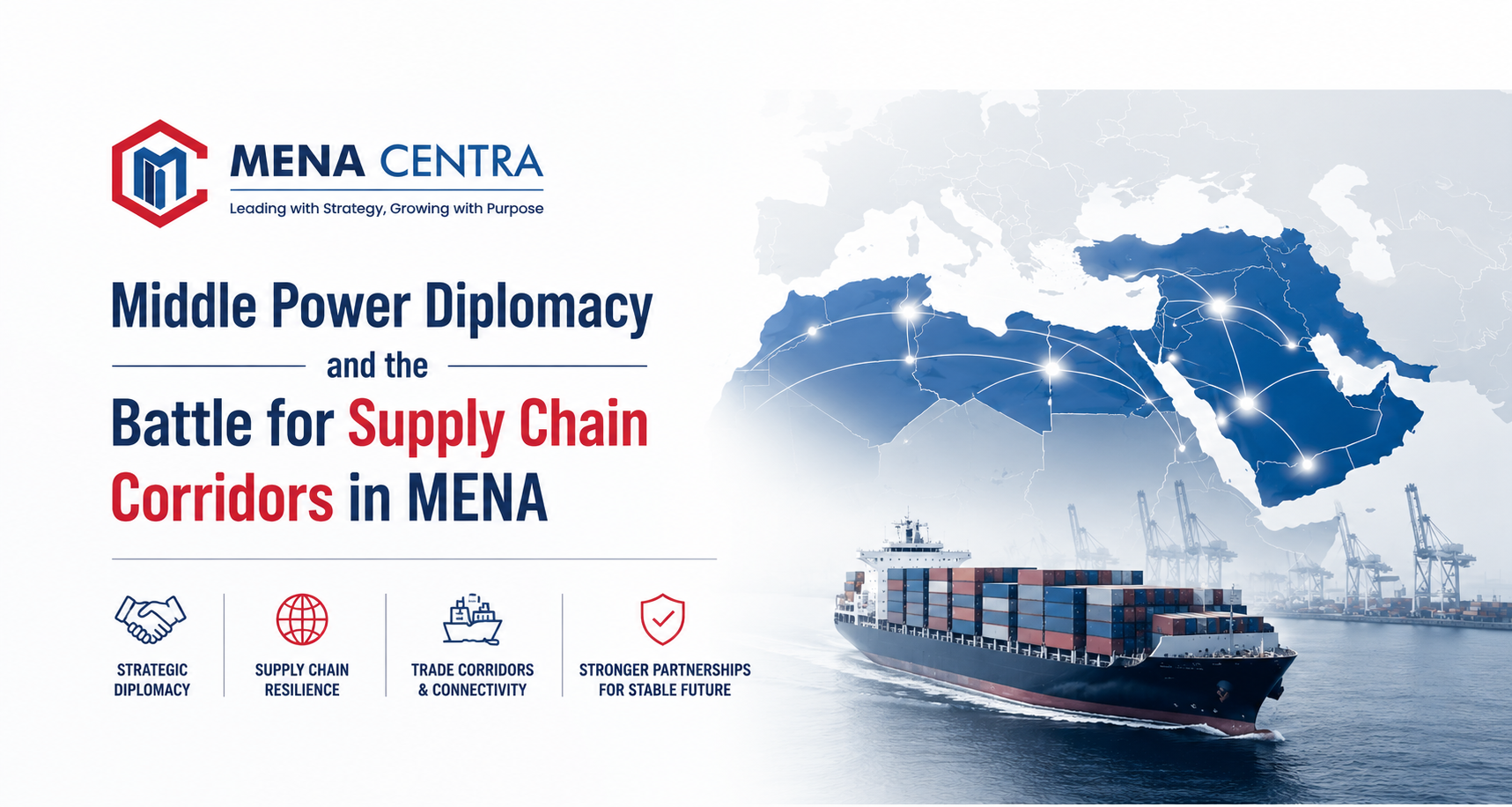
There is a quiet war happening across the Middle East and North Africa, and it has nothing to do with tanks or borders. It is being fought with ports, railways, and pipelines. Welcome to the new era of Middle Power Diplomacy, where countries that once relied purely on oil wealth or military alliances are now competing to control the routes that move the world's goods.
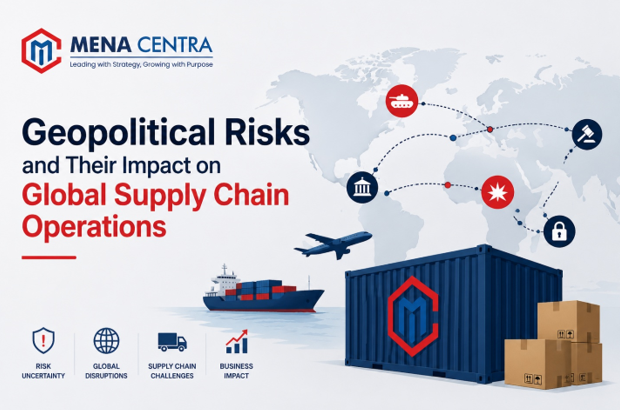
In the world we live in today, what the government does in one place can affect things on the other end of the world. If there is a problem with a shipping route, or if two countries start making it harder to trade with each other, or if there is trouble in a certain area, it can change a lot of things. It can affect the manufacturing schedule and product availability in stores. These things show that what happens with politics and countries is having an impact on the global supply chain.
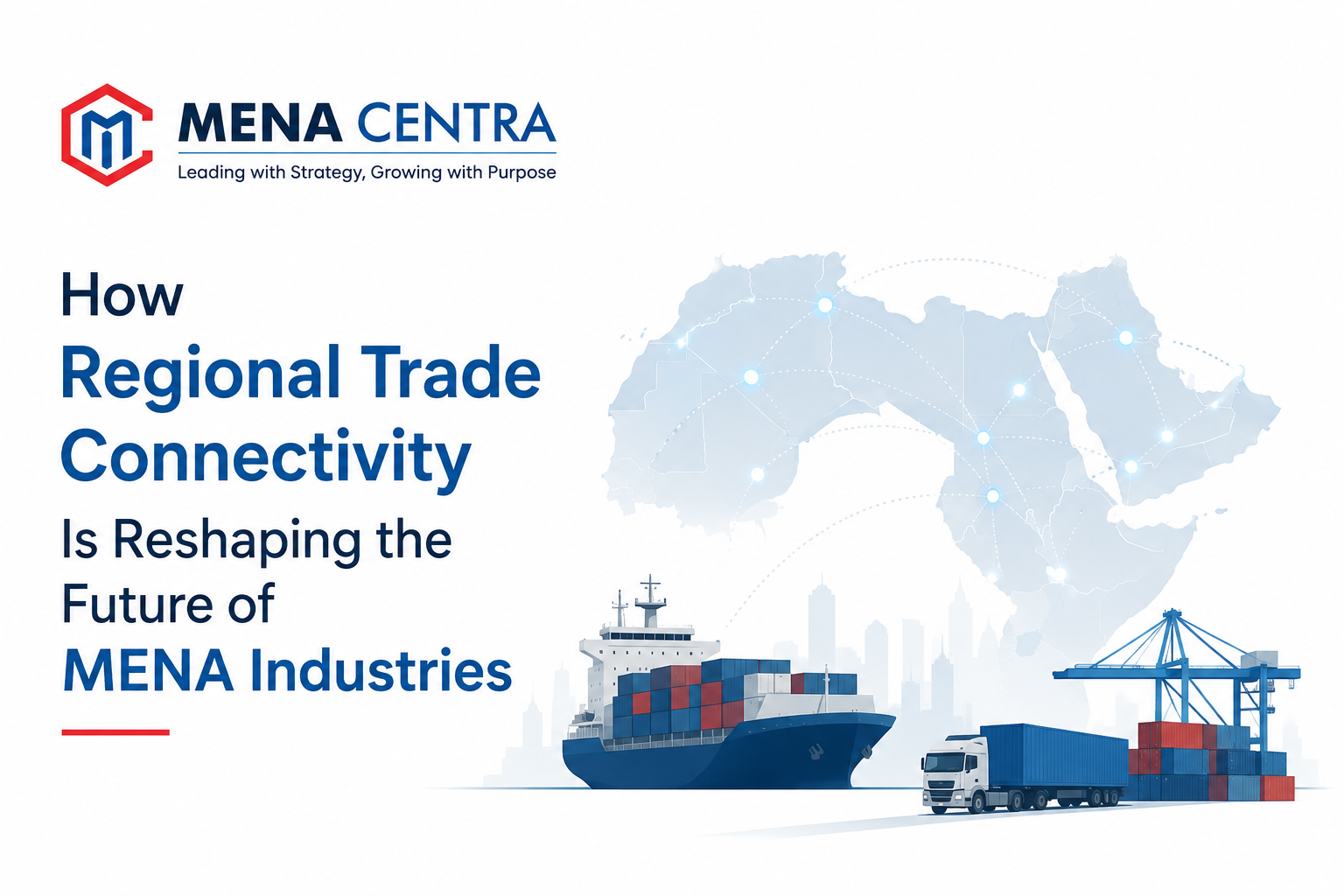
Regional trade connectivity, global logistics management, and energy corridors in Turkey are converging into a single growth story for the Middle East and North Africa. Together, they are changing the way goods, capital, and energy cross borders. As regional connections grow stronger, businesses can no longer be confined to a single- country strategy. Instead, they should enter into new markets, explore cross-border partnerships, and unlock new opportunities for investment and long-term growth.
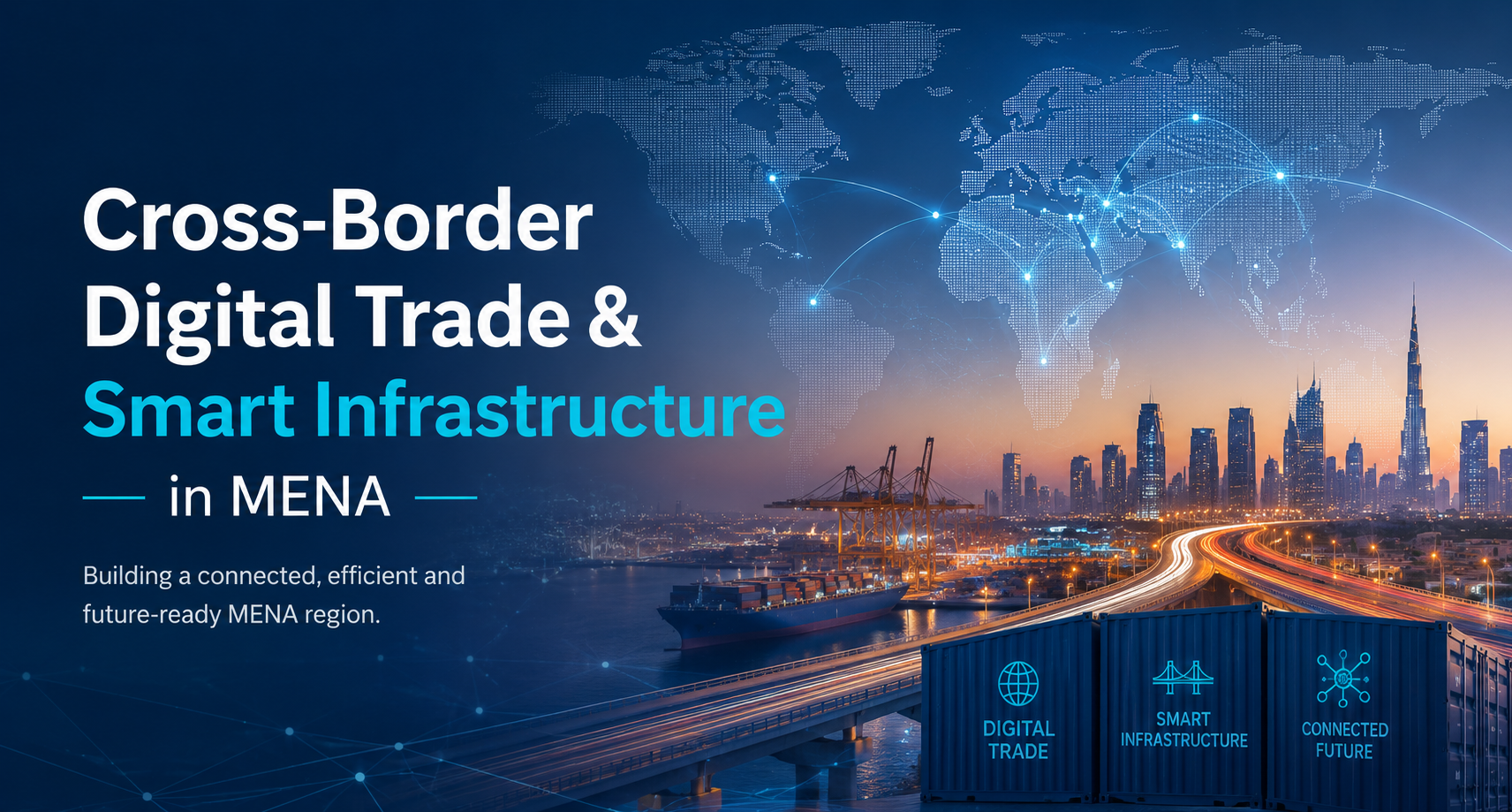
The MENA region is currently experiencing a period of transformation, which is largely powered by advancements in technology, sustainable development, and regional collaboration. With the diversification of the region from an over-reliance on oil, countries within the region have been making substantial investments in cross-border digital trade.